

Adjusting to life with hearing aids can take time, but with patience and practice, you will quickly enjoy clearer hearing and better communication. When you are fitted with your first hearing aid, you may initially notice that sounds are louder or more distinct than you remember. This is normal. Over time, your brain will re-learn these sounds, and what you once thought of as ‘normal’ will improve dramatically.
For many people, the first few weeks of wearing hearing aids involve an adjustment period. Your brain needs time to get used to the new sounds and amplification. Here are some tips to make this process easier:
Tip: Although starting gradually may help you adjust to hearing aids at first, regular use is the fastest way to adjust in the long term.
People with normal hearing only hear 75% of conversations when there is background noise. Someone with hearing loss will hear much less, even with the best hearing aids. Your device will help adjust the noise level to make it more comfortable for you, but you’ll also need to make some simple adjustments yourself:
You’ll be able to hear many sounds you’ve been missing, so you could suddenly be more aware of the:
Over time, your brain will readjust to these sounds so you won’t notice them as much.
A sudden loud burst of sound is enough to make anyone jump, even if they have perfect hearing. Your devices have been set up so these sounds won’t cause any damage to your hearing. If certain loud sounds, like those encountered while listening to music, are a concern, don't forget to discuss this with your audiologist or audiometrist.
If you have any questions about living with hearing aids, please get in contact with your local hearing clinic.
 Start your free trial with Amplifon
Book now
Start your free trial with Amplifon
Book now
To ensure your hearing aids continue to perform at their best, routine check up and maintenance are essential:
If you have a bone anchored hearing aid, the adaptation process may be slightly different. These devices transmit sound through bone conduction, bypassing the outer and middle ear. Tips for living with a bone anchored hearing aid include:
Bone anchored devices can dramatically improve hearing, especially for people with conductive hearing loss, but proper care and adaptation are key.
One of the most important aspects of life with hearing aids is learning how to communicate with hearing aids effectively:
With practice, these strategies can make everyday conversations much easier and more enjoyable.
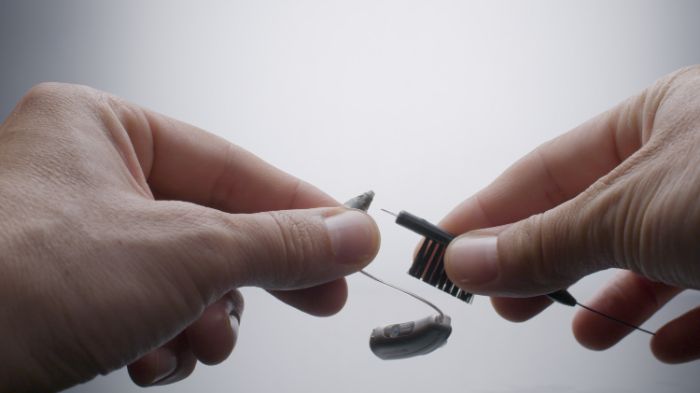
Learn more on how to keep your ITC/CIC, BTE or RIC hearing aids clean. You can also refer to our maintenance checklist in case of any doubt.
 Book your free hearing test today
Book now
Book your free hearing test today
Book now