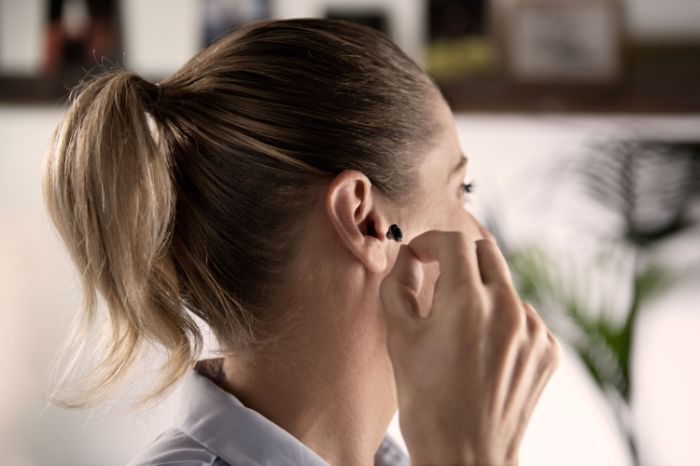


Presbycusis is the medical term for the progressive loss of hearing that occurs as part of the natural ageing process.
This condition primarily affects the ability to hear high-frequency sounds, such as the beep of a microwave, or the ringing of a phone. It typically presents as a bilateral hearing loss, meaning it impacts both ears equally. Unlike sudden hearing loss, presbycusis develops gradually over time, making it challenging for individuals to recognise its onset.
Presbycusis is not just a physical issue but can also lead to emotional and social challenges. People with untreated presbycusis may struggle with isolation, frustration, or misunderstandings in conversations. This highlights the importance of early diagnosis and intervention to mitigate its effects on daily life.
It is the most common form and results from the gradual loss of hair cells in the basal region of the cochlea — the area responsible for detecting high-frequency sounds. Once these cells are lost, they cannot regenerate, which explains why high-pitched sounds are the first to become difficult to hear.
It occurs when the nerve fibres that carry sound signals from the cochlea to the brain begin to degenerate. Even when some hair cells remain intact, the reduced number of functioning nerve fibres affects speech clarity — particularly the ability to distinguish between similar-sounding words.
Also known as strial presbycusis, it involves the gradual atrophy of the stria vascularis — the tissue responsible for maintaining the biochemical environment of the inner ear. This type tends to progress slowly and affects hearing across all frequencies rather than just the high end.
This type is associated with changes in the mechanical properties of the basilar membrane, which becomes stiffer with age, reducing its ability to vibrate in response to sound. Unlike sensory presbycusis, the hair cells themselves may remain largely intact — it is the mechanics of sound transmission that are compromised.
 Take our online test and check your hearing
FREE Online Hearing Test
Take our online test and check your hearing
FREE Online Hearing Test
Presbycusis is classified as a sensorineural hearing loss, meaning it originates from damage within the inner ear or the auditory nerve pathways, rather than from a mechanical obstruction in the outer or middle ear.
In sensorineural hearing loss, the problem lies in the cochlea's hair cells or the neural connections that transmit sound signals to the brain. Because these structures deteriorate naturally with age, the resulting hearing loss is permanent and cannot be corrected through surgery or medication — unlike conductive hearing loss, which is often treatable.
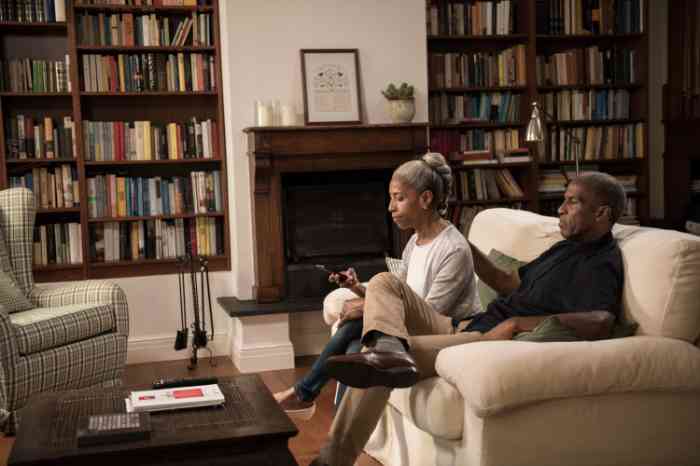

Presbycusis typically begins to manifest in people over the age of 60, with the likelihood of hearing loss increasing significantly with age. Research shows that approximately 66% of individuals over 60 experience some degree of hearing loss, and this figure rises to 70% among those aged 70 and older.
As Australia’s population continues to age, the prevalence of hearing loss is expected to grow dramatically. By 2060, the number of Australians with hearing impairments is projected to double, reaching an estimated 7.8 million people.
This gradual onset of hearing loss often makes it difficult for individuals to recognise the problem early. Regular hearing assessments are essential, especially for those in higher age brackets, to ensure timely management and diagnosis of presbycusis.
Presbycusis is primarily caused by natural ageing process and its effects on the auditory system.
The main causes include:
These age-related changes are the primary contributors to presbycusis, though several additional factors can accelerate or worsen the condition. Prolonged exposure to loud noise — whether occupational or recreational — is one of the most significant, as it causes cumulative damage to the same hair cells already vulnerable to ageing.
Certain medications known as ototoxic drugs, including some antibiotics and chemotherapy agents, can also hasten hearing deterioration. Systemic conditions such as diabetes and cardiovascular disease may further compromise inner ear function by reducing blood supply or damaging nerve tissue.
The first sign of presbycusis often appears when a person begins to feel uncomfortable with a conversation in a noisy environment, such as a restaurant or at a family meal. When the sound of the telephone or the television appear to be too low, this too can be a sign of hearing loss. Presbycusis can also be manifested by distorted sounds and misinterpreted words.
Presbycusis is, in any case, not to be taken lightly. It can make daily life much more complicated, presenting inconveniences and obvious risks, but can also be at the root of a decline in the frequency of social activities enjoyed.
People with presbycusis are not deaf as such. They continue to hear bass sounds, but high-pitched sounds are hard to distinguish. This is especially true for childish and feminine voices, whispers and some ‘whistling’ consonants (S, Z, CH, V, F). A person suffering from presbycusis symptoms will also have more trouble distinguishing reverberant sounds and will complain more often about tinnitus.
Presbycusis and noise-induced hearing loss (NIHL) are the two most common forms of sensorineural hearing loss in adults and are often confused due to their similar symptoms. The key difference lies in their cause: presbycusis is driven by the natural ageing process, whilst NIHL results from prolonged or sudden exposure to loud sound at any age.
On the audiogram, NIHL typically produces a distinctive notch at 4,000 Hz, whereas presbycusis shows a broader, progressive slope across high frequencies. In older adults, the two conditions frequently coexist — cumulative noise exposure over a lifetime can significantly compound age-related deterioration.
An audiologist can assess both the audiogram pattern and clinical history to determine the likely contribution of each.
The diagnosis of presbycusis typically begins with audiometry — a series of tests carried out by an audiologist to measure a person's ability to hear sounds across a range of frequencies and volumes. During the assessment, the patient listens to tones through headphones and indicates when they can hear them, allowing the audiologist to map their hearing thresholds accurately.
The results are plotted on an audiogram, a graph that displays hearing sensitivity at each frequency tested. In presbycusis, the audiogram pattern is characteristic: hearing thresholds are relatively normal at low frequencies, but drop progressively at higher frequencies — typically from 2,000 Hz upwards. This sloping configuration, known as a high-frequency sensorineural hearing loss pattern, is one of the key indicators that distinguishes presbycusis from other types of hearing loss.
Once diagnosed, presbycusis can be managed effectively with several treatment options, with hearing aids being the most common and widely used solution. Hearing aids for presbycusis are designed to amplify sound, making it easier for individuals to hear clearly, including in challenging listening environments such as noisy social settings or at home. These devices can be customised to suit the specific needs of each individual, ensuring optimal hearing support.
In addition to hearing aids, sound therapy may also be recommended. This treatment helps retrain the brain to process sound more efficiently, improving the clarity of speech and environmental sounds. However, hearing aids remain the cornerstone of managing presbycusis, offering the most direct and effective improvement in hearing.
Whilst the natural ageing process is the primary driver of presbycusis, several factors can increase an individual's likelihood of developing the condition earlier or more severely.
Non-modifiable risk factors include age, sex, and genetic predisposition. Hearing loss becomes significantly more prevalent after the age of 60, and men tend to experience earlier and more pronounced high-frequency loss than women. Family history also plays a role, pointing to a hereditary component thought to involve variants in genes responsible for cochlear function.
Modifiable risk factors are those over which individuals have some degree of control. Prolonged exposure to loud noise is one of the most significant contributors, as it causes cumulative damage to the cochlear hair cells already vulnerable to ageing. Smoking, a sedentary lifestyle, and systemic conditions such as diabetes and hypertension can further accelerate deterioration by impairing circulation to the inner ear. Certain ototoxic medications — including some antibiotics and chemotherapy agents — may also compound the damage.
While presbycusis is primarily caused by the natural ageing process, there are steps you can take to reduce the risk of developing or worsening hearing loss. Protecting your hearing from a young age can help preserve your hearing health well into older adulthood.
Here are some practical prevention tips:
Concerned about Presbycusis?
Book an appointment now