

Finding the right hearing aid batteries and knowing where to purchase them can significantly impact your hearing aid experience.
Whether you're searching for batteries near you or exploring rechargeable alternatives, this comprehensive guide covers everything Australian hearing aid users need to know about powering their devices effectively.
If you require new batteries you now have the option to have the hearing aid batteries delivered by post, or you can pick up new batteries in one of our 350+ locations.
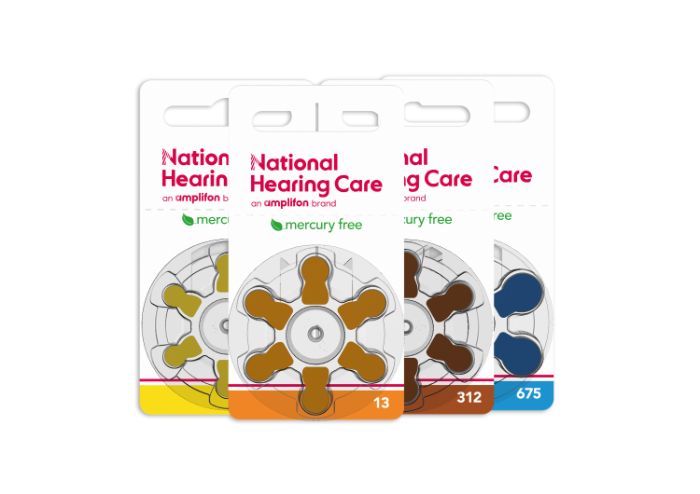
Hearing aid batteries come in four sizes and are colour coded to help you easily identify the right size.
The smallest hearing aid batteries available, size 10 models, primarily power mini receiver-in-the-ear (RITE) devices and completely-in-canal (CIC) hearing aids. These compact batteries measure 5.8mm in diameter by 3.6mm in height, with all manufacturers adopting a universal yellow coding system for easy identification.
Due to their diminutive dimensions, size 10 batteries are perfectly suited for the most discreet hearing aid styles available today. Users can typically expect each battery to provide power for between 3-10 days, depending on hearing aid usage patterns and features.
Orange-coded size 13 batteries are the preferred power source for behind-the-ear (BTE) and in-the-ear (ITE) hearing aid models. These medium-sized batteries feature dimensions of 7.9mm in diameter and 5.4mm in height, with the distinctive orange colour coding providing universal identification across all manufacturers.
The larger capacity of size 13 batteries makes them well-suited to power the more robust features found in BTE and ITE devices. Users can anticipate a battery life ranging from approximately 6 to 14 days, with longevity dependent on individual usage habits and the specific power requirements of their hearing aid's features and amplification needs.
Brown-coded size 312 batteries are commonly utilised in mini behind-the-ear (BTE), receiver-in-the-ear (RITE), and in-the-canal (ITC) hearing aid styles. These batteries measure 7.9mm in diameter by 3.6mm in height, with the universal brown colour identification system used across all battery manufacturers.
The moderate size of 312 batteries makes them an ideal power solution for mid-range hearing aids that require more capacity than the smallest models but don't need the full power of larger batteries. Users can generally expect these brown batteries to provide reliable power for approximately 3 to 10 days, with actual performance varying based on hearing aid usage patterns and device power consumption.
Blue-coded size 675 batteries are specifically designed for high-power behind-the-ear (BTE) hearing aids that require maximum energy output. As the largest standard hearing aid battery available, measuring 11.6mm in diameter and 5.4mm in height, these batteries are engineered to support the most demanding hearing aid applications.
The substantial size of 675 batteries translates directly into superior longevity, making them the longest-lasting option in the hearing aid battery range. Users can typically expect each blue battery to deliver consistent power for approximately 9 to 20 days, providing exceptional value for those with severe hearing loss who rely on high-powered amplification systems.
Hearing aid batteries in Australia generally cost between $10-30 per pack, depending on the battery size and brand you choose.
Hearing aid battery longevity typically ranges from 3 to 22 days, with actual performance influenced by several key factors including your specific hearing aid model, battery type, and daily usage duration. Individual listening habits and device features significantly impact overall battery life expectancy.
Several warning signs indicate when battery replacement becomes necessary. If you notice sound quality becoming unclear or distorted, or find yourself turning up the volume beyond your usual settings, these symptoms often signal declining battery power. Many modern hearing aids incorporate low-battery warning systems that emit brief beeping sounds when replacement becomes urgent - immediate battery changes are essential upon hearing these alerts.
To prevent unexpected hearing aid failure, it's advisable to carry spare batteries at all times. When storing replacement batteries, ensure they remain separate from metallic items such as coins, keys, or other metal objects, as contact can cause premature battery discharge and reduce their effectiveness when needed.
Watch our step by step videos on how to change the batteries for your hearing aids.
 Book an appointment to find out more
Book a FREE hearing test
Book an appointment to find out more
Book a FREE hearing test
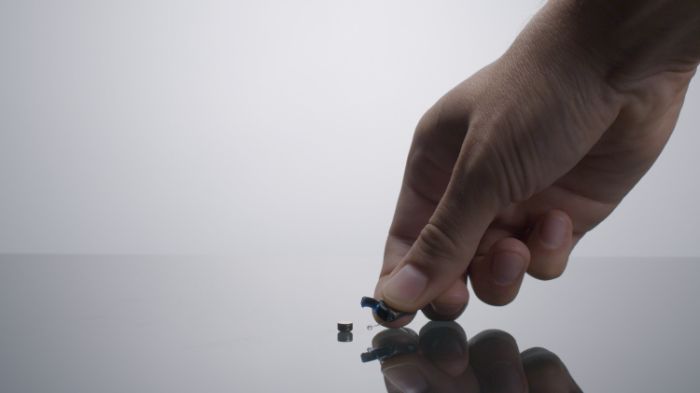
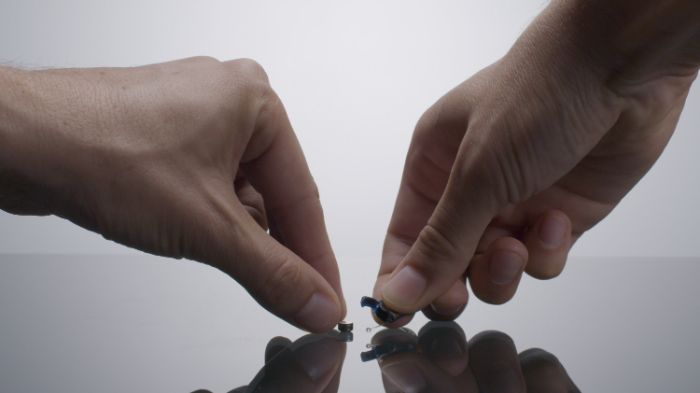
Our hearing aid batteries are air-activated, which means they do not begin working until the coloured tab is removed and air enters the battery cell. Remove and discard the tab only when you are ready to use the battery. The tab cannot be reused.
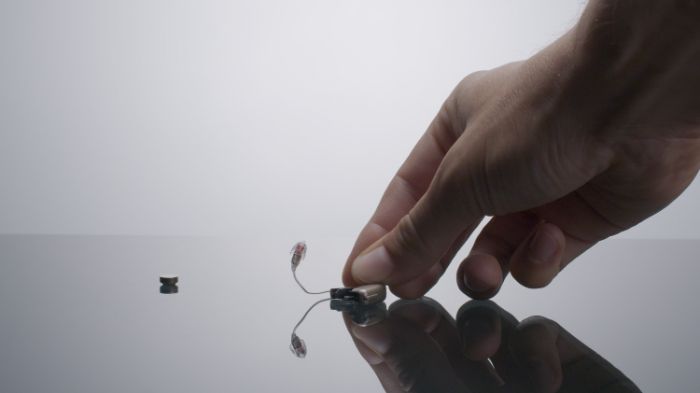
Amplifon's rechargeable hearing aid technology offers an alternative to traditional disposable batteries. There are rechargeable hearing aids such as the ampli-energy, which utilise lithium-ion technology so you can charge your hearing aids overnight like you would with a phone. If changing the batteries on your hearing aids becomes difficult to manage, please speak with a qualified hearing specialist who can explore if rechargeable hearing aids would be suitable.
Desktop Charging Stations:
Standard charging stations plug into wall outlets and fully charge hearing aids overnight. Most models include:
Portable Charging Cases:
Travel-friendly options provide multiple charges without access to power outlets:
Both options have pros and cons. Here’s a quick breakdown:
Battery-powered hearing aids:
Rechargeable hearing aids:
In Australia, free hearing aid batteries for pensioners and seniors may be available under the Hearing Services Program (HSP). Eligibility includes:
Contact your local Amplifon clinic or visit the Hearing Services Program website for more details. Terms and conditions apply under the Hearing Services Program.
No. Most disposable hearing aid batteries are zinc-air batteries, not lithium. Zinc-air batteries activate when exposed to air and are safe, lightweight, and reliable for medical devices.
Rechargeable hearing aids, however, often use lithium-ion technology, which is durable and long-lasting.
Yes, hearing aid batteries can be recycled, but not through regular household recycling bins. Look for:
Never throw batteries in general waste, as they can be harmful to the environment.
To order hearing aid batteries call 1800 676 263 or contact your local clinic.

With 75 years of global experience, we are committed to providing world class service and industry-leading hearing solutions. Your hearing is entirely unique, which is why we are dedicated to tailoring the best solution for you.



 Find your nearest clinic