
The inner ear plays a crucial role in how we hear sounds and keep our balance every day. Although small and hidden deep inside the skull, this delicate system converts sound waves into signals your brain can understand and helps you stay steady when walking, turning or moving.
When something affects the inner ear anatomy — such as fluid build-up, inflammation or infection — symptoms like dizziness, hearing loss, itching or pain can quickly appear.
Understanding how the inner ear works can help you recognise problems early and know when to seek professional hearing care.
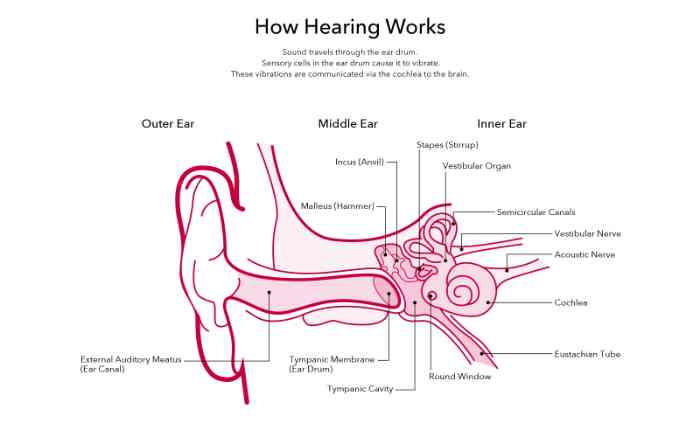
The inner anatomy of the ear is more complex than many people realise. It sits behind the middle ear and is filled with fluid and tiny sensory structures that detect both sound and movement.
The spiral-shaped cochlea transforms sound vibrations into electrical signals that travel to the brain.
The semicircular canals and vestibule manage balance in the inner ear. They detect head movement and position, preventing dizziness and helping you stay upright.
Carries sound and balance information to the brain for interpretation. Together, these inner ear structures allow you to hear clearly and move confidently.
Looking at an inner ear diagram can make it easier to understand how these tiny components work together. The cochlea resembles a snail shell, while the semicircular canals form three loops positioned at different angles to sense movement in every direction. If any of these structures are damaged, hearing clarity or balance may be affected.
Several conditions can affect the inner ear, ranging from mild irritation to infections or chronic hearing issues.
Inner ear infection: causes and symptoms
Inner ear infection and symptoms may include:
If you notice any symptom of inner ear infection, early assessment is important to avoid long-term damage.
An itchy inner ear or dry itchy inner ear is often linked to:
Persistent itching should not be ignored, as scratching can lead to infection.
 Find your nearest clinic and speak to our experts today
Visit us at your local clinic
Find your nearest clinic and speak to our experts today
Visit us at your local clinic
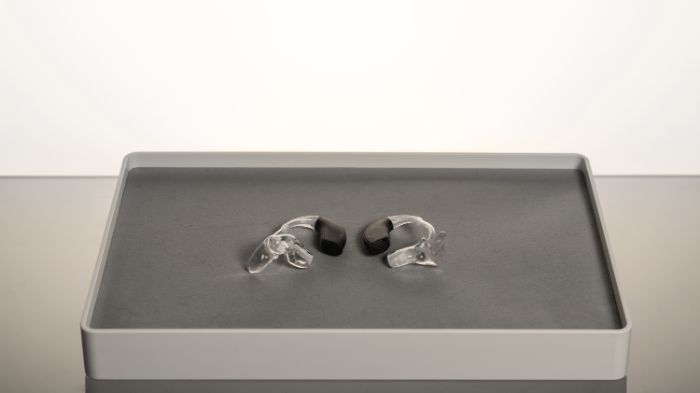
For people with inner ear damage affecting the cochlea, hearing loss may become permanent. In these cases, an inner ear hearing aid or professionally fitted device can significantly improve speech clarity and everyday communication.
Modern hearing aids:
A hearing specialist or audiologist can recommend the best solution after a hearing test.
Some people look to inner ear headphones to address not hearing well. While earbuds may make sounds louder, they are not a substitute for medical hearing care and can sometimes worsen hearing if volume is too high.
If you regularly increase volume to understand conversations, a hearing check is the safer option.
Take our quick and easy online test and get instant results
Take the test now
You should book a hearing check if you notice:
Early care protects your inner ear structures and long-term hearing health.
Learn more on how your hearing works, thanks to our experts contents. You can also have a look at our blog, with our lates news.