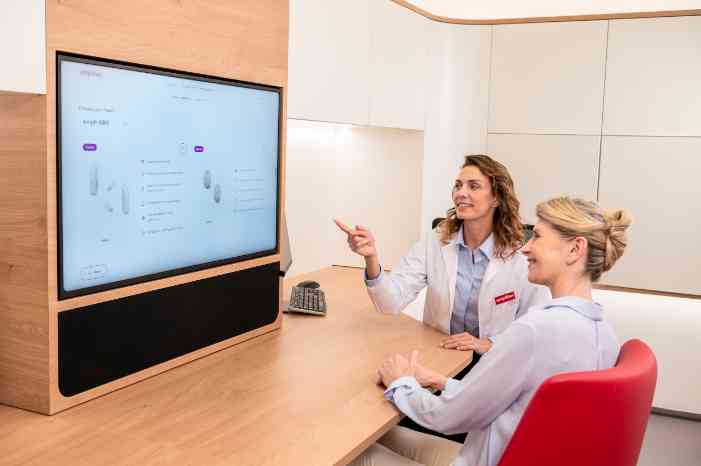
Tinnitus, the perception of ringing, buzzing, or hissing sounds without an external source, affects a significant portion of Australians. Studies show that two in three Australians experience tinnitus at some point in their lives, with the incidence peaking in those aged 60–69*. For many, tinnitus can impact concentration, sleep, and overall quality of life, making support and management strategies essential.
While Amplifon does not currently provide a dedicated tinnitus treatment service, our clinics offer hearing aid fittings that can be especially beneficial for individuals experiencing tinnitus. Properly fitted hearing aids can alleviate symptoms by amplifying external sounds or creating the sense of white noice, which helps mask the internal noises associated with tinnitus and reduces listening effort. For many, this provides significant relief and improves overall quality of life.
Hearing aids can be a great way to cope with tinnitus, particularly when it is associated with hearing loss. The benefits include:
Our audiologists provide professional guidance during the fitting process, ensuring devices are programmed to suit individual hearing profiles and tinnitus characteristics. This personalised approach helps maximise comfort and effectiveness.
Managing tinnitus effectively often requires a combination of strategies tailored to the individual. While our audiologists can help with treating symptoms (ringing in the ears) of tinnitus, treatment of the root cause of tinnitus should be handled by another healthcare professional.
Recommended when a patient has hearing loss and experiences tinnitus distress. Hearing aids reduce the strain required to ‘hear’ and increase environmental sound stimulation, which may decrease the perception of tinnitus. Our audiologists provide free appointments to enquire about hearing aid fittings customised to your hearing profile, helping to alleviate symptoms and enhance daily listening comfort.
The limbic system is closely associated with tinnitus distress. CBT is part of a holistic approach to management, facilitating cognitive restructuring to address negative emotions that reinforce tinnitus as an alarm signal. By combining CBT with audiological support, patients can reduce stress, improve coping strategies, and experience less perceived tinnitus burden.
Sound enrichment and sound therapy tools help reduce the contrast between tinnitus and silence, making the tinnitus less ‘obvious’ and helping the brain to pay less attention to it. These techniques can be used alongside hearing aids or independently, depending on individual needs, and are integrated into a broader tinnitus management plan.
In addition to hearing aid support, audiologists often provide advice on lifestyle strategies and coping techniques, which can include:
These strategies, combined with professional hearing aid fitting, create a comprehensive approach to managing tinnitus symptoms.
 Visit one of our clinics to discover our hearing services
It’s important to understand that tinnitus is very common, especially in older adults. Highlighting statistics, such as its prevalence in Australians aged 60–69, helps reduce anxiety and stigma. Knowing that two in three Australians will experience tinnitus at some point demonstrates to sufferers that they are not alone.
An experienced audiologist plays a central role in managing tinnitus and supporting hearing health.Our audiologists assess each patient’s hearing profile, and recommend personalised management strategies. This may include hearing aid fittings, sound enrichment programs, or guidance on lifestyle adjustments and coping techniques. By working closely with patients, audiologists ensure that interventions are tailored to individual needs, providing professional support to reduce tinnitus distress and improve overall quality of life.
Our clinics across Australia combine expert care with advanced hearing technology. From your first consultation to aftercare and support, our hearing specialists are committed to helping you maintain healthy hearing and improve your daily life.