

Changing hearing aid batteries

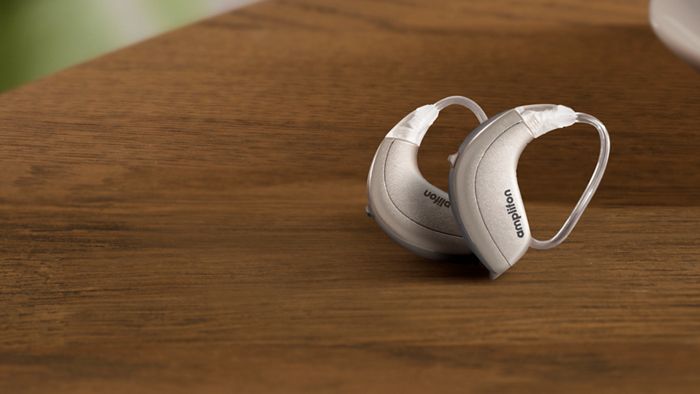
Changing hearing aid batteries is a simple but essential part of maintaining the performance and reliability of your hearing aids. Whether you wear behind-the-ear (BTE), in-the-ear (ITE), or other types, knowing how and when to replace the battery can help prevent unexpected interruptions.


In this guide, we explain how to change hearing aid batteries, how often you should do it, and what to expect from rechargeable options.

How to know when your hearing aid battery is low

Recognising the signs of a low battery can help you avoid sudden interruptions. Most modern hearing aids will alert you with a warning beep or a voice message when the battery is running low. These alerts typically occur several minutes before the device shuts off completely, giving you time to prepare.

Other common signs that your hearing aid battery is running low include:

  • Reduced sound clarity
  • Distorted or intermittent audio
  • Volume drops or a “muffled” sound
  • The hearing aid turns off and on by itself

If you experience any of these issues and your device isn't damaged, replacing the battery will usually resolve the issue immediately.

Tip: Always carry spare batteries with you—especially during travel or long days out.

Have More Questions?

Book an appointment and come see us at one of our UK hearing centres.
Our audiologists will be happy to answer any questions you have about hearing aids and show you the latest devices available.

Book an appointment

How to change a battery in a hearing aid

Replacing a hearing aid battery takes only a few minutes. Here are the steps to follow:

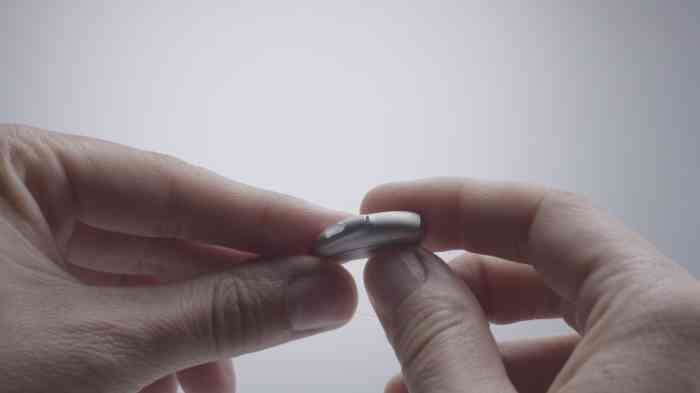
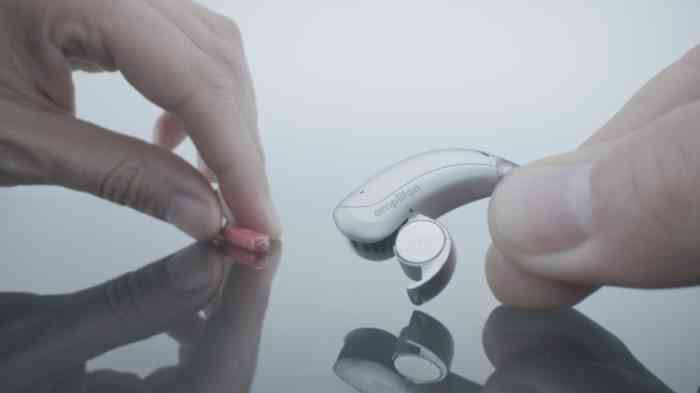
  • Open the battery door: Gently open the compartment, usually found on the back or bottom of the device.
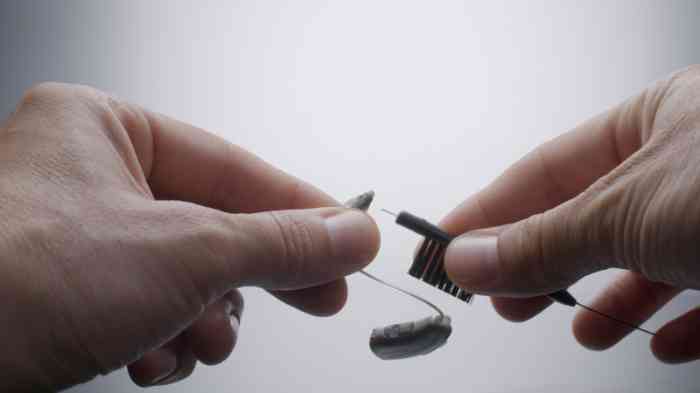
  • Remove the used battery: Carefully take out the old battery using a magnetic tool or by tipping the device.
  • Unpack the new battery: Peel off the protective sticker and allow the battery to activate by waiting at least one minute.
  • Insert the new battery: Place the battery with the flat (positive) side facing up.
  • Close the battery door: You should hear a soft click. If the battery is inserted incorrectly, the door won’t close fully.

Remember: Always handle batteries with dry, clean hands to avoid damaging your hearing aid.

A woman with her left hand resting on the headphones during a hearing test

Try our online hearing test

Take a quick, easy test to find out how you're hearing.

How to change a battery in a hearing aid

Replacing a hearing aid battery takes only a few minutes. Here are the steps to follow:

  1. Open the battery door: Gently open the compartment, usually found on the back or bottom of the device.
  2. Remove the used battery: Carefully take out the old battery using a magnetic tool or by tipping the device.
  3. Unpack the new battery: Peel off the protective sticker and allow the battery to activate by waiting at least one minute.
  4. Insert the new battery: Place the battery with the flat (positive) side facing up.
  5. Close the battery door: You should hear a soft click. If the battery is inserted incorrectly, the door won’t close fully.

Remember: Always handle batteries with dry, clean hands to avoid damaging your hearing aid.

Find your nearest Amplifon clinic

How often do hearing aid batteries need to be changed?

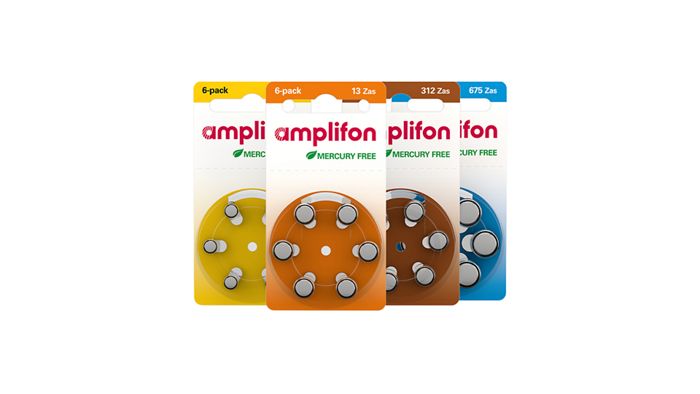
Battery life varies depending on the type of hearing aid, the battery size, and how often the device is used. Here's a general guide based on battery size:

  • Size 10 (yellow): lasts 3–5 days
  • Size 312 (brown): lasts 5–7 days
  • Size 13 (orange): lasts 6–10 days
  • Size 675 (blue): lasts up to 2 weeks

Factors that can affect battery life

Battery life can vary depending on several factors. Using your hearing aids to stream audio or take phone calls via Bluetooth tends to drain the battery faster. Similarly, keeping the volume at a high level can reduce how long the battery lasts. Environmental conditions such as humidity and changes in temperature also have an impact on battery performance. Additionally, the age and overall condition of the battery itself play an important role. If your hearing aid suddenly stops working, it may simply need a fresh battery.

Changing batteries and hearing aid types

Changing batteries varies depending on the type of hearing aid you use:

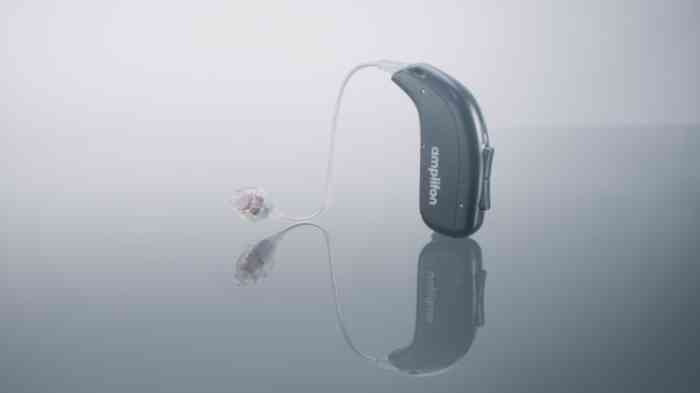
  • Behind-the-ear (BTE) and receiver-in-canal (RIC) models usually have a standard battery door that is easy to open and handle.
  • In-the-ear (ITE), in-the-canal (ITC), and completely-in-canal (CIC) devices often have smaller battery compartments, which can be more difficult to manage, especially for those with limited manual dexterity.
  • Larger BTE and RIC hearing aids typically use bigger batteries (sizes 13 or 675) that last longer.
  • Smaller ITE, ITC, and CIC devices usually use size 10 batteries, which need to be changed more frequently.

How to change rechargeable hearing aid batteries

Rechargeable hearing aids require no battery changes but need to be charged regularly, usually overnight. Most modern rechargeable hearing aids use lithium-ion batteries that cannot be replaced by the user. Instead, you simply recharge them every night using a dedicated charging station.

Tips for rechargeable hearing aids:

  • Place the aids in the charger overnight
  • Always keep the charger plugged in
  • Avoid overexposing the charger or devices to heat
  • If the hearing aid doesn’t charge, contact your audiologist

How long do rechargeable hearing aids last?

Rechargeable hearing aids typically provide between 16 and 30 hours of use on a full charge, depending on the model and usage. Most users can get a full day’s wear from overnight charging, making them very convenient for daily use. The actual battery lifespan, meaning how many years the rechargeable battery remains effective before needing replacement, usually ranges from 3 to 5 years.

Battery life can be affected by factors such as streaming audio, phone calls, and environmental conditions. To ensure optimal performance, it’s important to follow the manufacturer’s charging instructions and avoid exposing the devices to extreme temperatures.

Final tips for battery maintenance

To prolong the life of your hearing aid batteries, it’s best to remove the battery if you won’t be using your hearing aid for more than a day. Leaving the battery door open overnight can help reduce moisture build-up inside the device. Using a hearing aid dehumidifier regularly also supports the longevity of both your hearing aid and its batteries. Finally, always dispose of used batteries responsibly by taking them to designated recycling points rather than throwing them in the bin.

Need help?

If you have any questions or difficulties, our experts are ready to assist you at Amplifon centres.
We offer free support for:

  • Battery replacement
  • Cleaning and maintenance 
  • Hearing aid check and adjustment

Book an appointment today!

Find the nearest clinic to you

Book a free hearing check-up at your nearest Amplifon clinic today.

Learn more

Have a look at out related contents

Learn more on how your hearing works, thanks to our experts contents. You can also have a look at our blog, with our lates news. 

Get support and advice

Book a free hearing test

Book now

Test your hearing online

Take the test

Find your nearest store

Find a store