

Hearing loss no longer means simply making sounds louder. Today’s bluetooth hearing aid technology allows users to connect directly to smartphones, TVs and digital devices, transforming hearing aids into smart wearable technology.
From AI sound processing to wireless connectivity, the evolution of hearing devices has created a new listening experience — clearer, personalised and fully integrated into daily life.
This guide explores the best hearing aid technology, how it works and what innovations are shaping the future.
Today there is a wide range of modern hearing aids designed to suit different hearing profiles and lifestyles. Thanks to modern hearing aid technology, devices can be discreet, intuitive to use and highly adaptable to everyday environments.
Technology now plays a central role in performance: hearing aids are becoming smaller yet more powerful, with advanced sound processing and reliable rechargeability. These improvements, driven by the latest hearing aid technology, allow users to enjoy clearer conversations, greater comfort and all-day confidence.
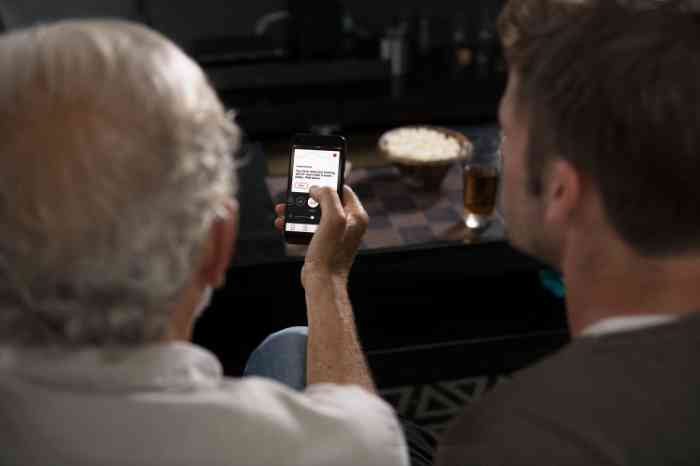
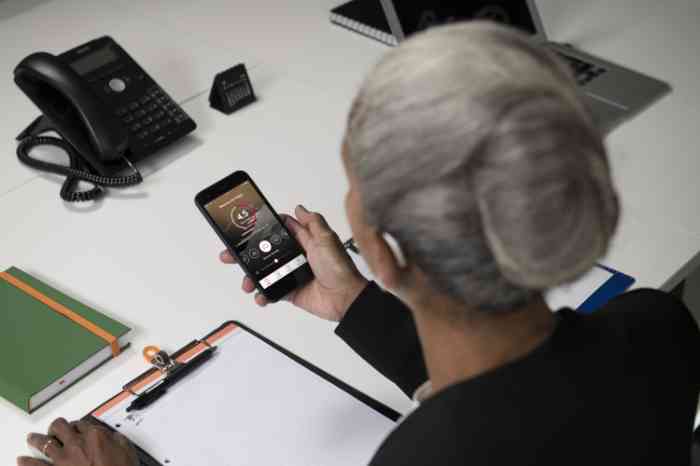
The biggest revolution in recent years has been bluetooth hearing aid technology. Modern devices can connect directly to:
This allows users to stream calls, music and media directly into their hearing aids — without additional accessories.
Today’s wireless hearing aid technology also enables two hearing aids to communicate with each other. This means:
The hearing aids analyse the environment thousands of times per second and adapt instantly.
The best hearing aid technology focuses on clarity rather than amplification. Advanced features now include:
These improvements represent the latest technology on hearing aids, designed to make conversations natural even in crowded environments.
Modern hearing aid technology also improves comfort and usability:
Because of this, hearing aids are now closer to consumer electronics than traditional medical devices.
Connect your hearing aids to smartphones, TV, and more — enjoy full binaural streaming.
Hearing aids are only one part of assistive technology for hearing impaired individuals. Modern ecosystems may include:
Together they create a fully accessible listening environment at home and at work.
Overall, modern hearing aid technology focuses on three pillars:
Instead of simply amplifying sound, devices now understand sound — delivering clearer speech and reducing listening effort.
 Visit your nearest Amplifon clinic for the latest technology



 Discover the latest hearing technology with Amplifon