

Hearing aid batteries are essential for keeping your hearing aids working reliably every day. Understanding the different types of hearing aid batteries, how long they last and where to buy them in the UK can help you avoid unexpected power loss and choose the most suitable option for your lifestyle.
This guide explains everything you need to know about batteries for hearing aids, including disposable and rechargeable solutions, battery sizes, lifespan and practical tips.
A hearing aid battery powers all the core functions of your device, from sound amplification to wireless connectivity. Using the correct battery type ensures stable performance, consistent sound quality and fewer technical issues over time.
Modern hearing aids use either:
Each option suits different hearing needs and daily habits.
 Get expert guidance on rechargeable hearing aid batteries
Hearing aid batteries come in four standard sizes: 10, 13, 312 and 675. To help you identify which one you'll need, all manufacturers use standard colour codes on their packaging and zinc air battery tabs.
Always check your hearing aid manual or consult a hearing care professional before purchasing.
Size 10
Size 13
Size 312
Size 675
Size 10
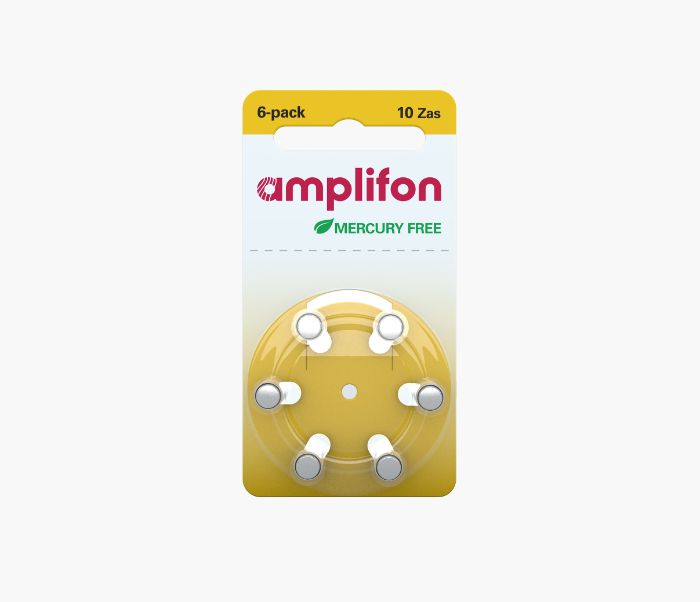
Size 10 batteries are mainly used in mini receiver in the ear (RITE) and completely in canal (CIC) hearing aids. They are 5.8mm x 3.6mm in size and all manufacturers use the yellow colour code to identify them. Their size makes them ideal for use in the smallest hearing aids. Each battery usually lasts for approximately 3-10 days.
Rayovac size 10 yellow hearing aid batteries were brought to market in 1986. This made possible the introduction of the smaller hearing aids that are so common today.
Check our Size 10 batteries online.
Size 13
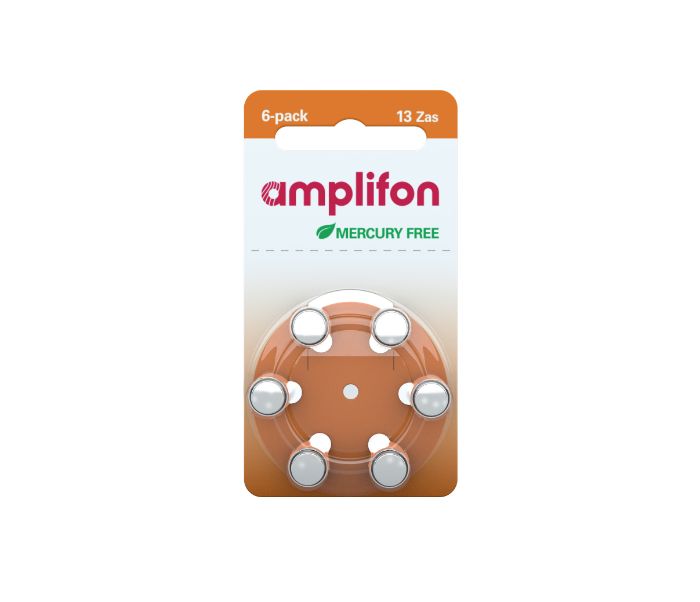
Size 13 batteries are most commonly found in behind the ear (BTE) and in the ear (ITE) hearing aids. They are 7.9mm x 5.4mm in size and use an orange colour code. These orange hearing aid batteries have a lifespan of approximately 6-14 days.
Check our Size 13 batteries online.
Size 312
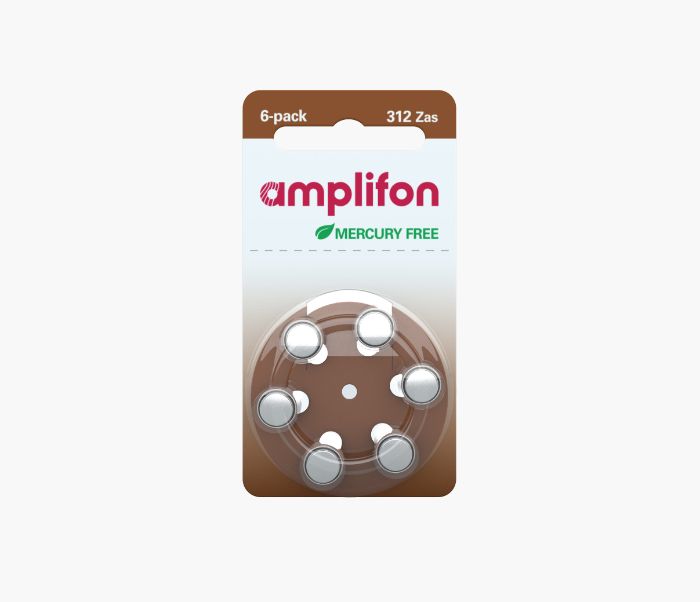
312 hearing aid batteries use a brown colour code and the dimensions are 7.9mm x 3.6mm. You may find them in mini BTE, RITE and in the canal (ITC) hearing aids. Brown hearing aid batteries tend to last between 3-10 days.
Check our Size 312 batteries online.
Size 675
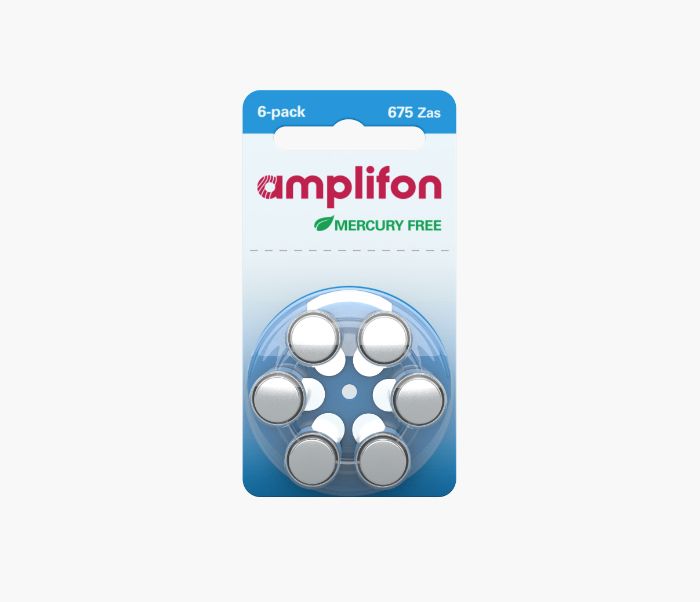
Size 675 batteries use a blue colour code and are usually reserved for use in power BTE hearing aids. While they are the largest on this list at 11.6mm x 5.4mm in size, they also tend to be the longest lasting hearing aid batteries. In fact, each one can last between 9- 20 days.
Check our Size 675 batteries online.
Many users ask how long do hearing aid batteries last or how long should a hearing aid battery last.
Battery lifespan depends on:
On average:
If you are wondering how long do batteries last in a hearing aid, frequent streaming can significantly reduce battery life.
Rechargeable hearing aids usually provide a full day of use on a single charge.
Learn more about the wide range of hearing aids available in the UK, including different types, battery options, and how to choose the right device for your hearing needs with the guidance of our expert audiologists.
In general, the life of a specific hearing aid battery is between 3 and 22 days. This duration varies depending on the type of hearing aid, the type of battery and the length of time the device is used. If you find that the sound is distorted or you need to increase the volume more than usual, your hearing batteries may need to be replaced. Some hearing aids will beep briefly when the battery is low. You must then change the batteries as soon as you hear this beep.
To avoid failure of your hearing aid, we recommend that you always have spare batteries with you. Also take care not to put your spare batteries in contact with metallic objects (coins, keys, etc.) as they may discharge.
The cost of hearing aid batteries can vary depending on the battery size, brand and where they are purchased. Disposable hearing aid batteries are generally affordable, with prices typically increasing when buying smaller packs and decreasing when purchased in larger quantities. Battery size can also influence cost, as larger batteries often last longer but may have a slightly higher upfront price. Rechargeable hearing aids usually involve a higher initial investment, but they remove the ongoing cost of replacing disposable batteries. Over time, this can make rechargeable options a cost-effective and convenient choice for many users.
You can get hearing aid batteries in a variety of places across the UK, both in person and online:
Disposable hearing aid batteries should not be disposed of in household waste. Many UK retailers and hearing centres provide dedicated recycling points. Proper recycling helps protect the environment and reduces landfill waste. Rechargeable batteries should be recycled following local electronic waste guidelines.
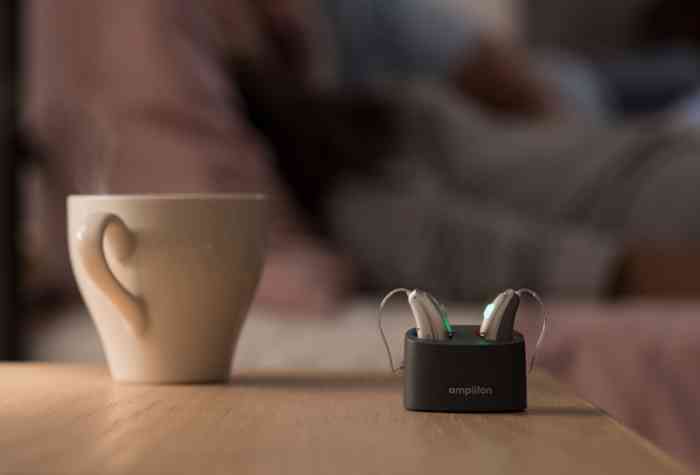
Hearing aids with rechargeable batteries are increasingly popular due to their ease of use. Instead of replacing batteries, the device is charged overnight using a hearing aid battery charger.
Main benefits include:
A hearing aid with rechargeable battery is often recommended for users who prefer a low-maintenance solution.
Explore our range of hearing aid chargers and find the right solution for reliable, hassle-free charging.
Old hearing aid batteries should no longer be used in hearing aids, but should be disposed of when they have expired or their power has been exhausted. Like all other batteries, empty hearing aid batteries must not be disposed of with household waste, as they are harmful to the environment and health. You can collect the empty batteries in a special battery collection box or can and dispose of them free of charge at a collection point or directly in an Amplifon branch.
Most municipalities have drop-off centers with recycling drop-off boxes for used batteries. The batteries will then be processed and the toxic metals removed and sold for re-use in various industries. This is the most environmentally friendly solution for disposal.
If your hearing aid is not working with a new battery, try the following:
If the issue continues, contact a hearing care professional.
Extending the life of your hearing aid batteries helps reduce waste and ensures your devices work reliably throughout the day. Here are some practical tips:
Discover how to change your hearing aid battery with our step-by-step guides and expert tips for hassle-free battery replacement.
Choosing the right hearing aid batteries improves reliability, comfort and everyday hearing performance. Whether you prefer disposable options like 312 hearing aid batteries or modern hearing aids with rechargeable batteries, understanding sizes, lifespan and charging options helps you make an informed choice.
For personalised advice, a hearing care professional can recommend the most suitable battery solution based on your hearing aid and lifestyle.
Find your nearest clinic in one click



 Have your hearing aid repaired at Amplifon