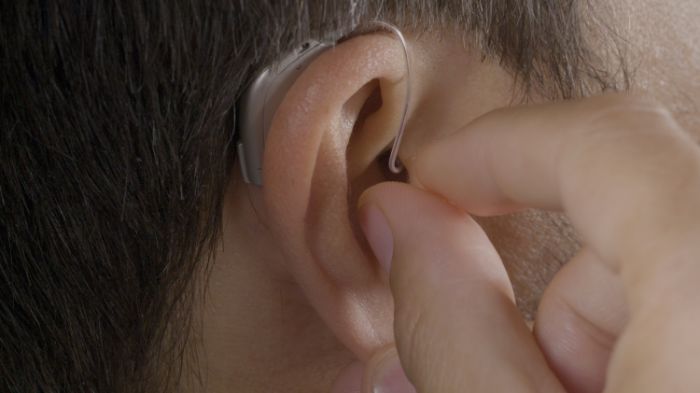


Maintaining your Receiver-In-Canal (RIC) hearing aid is essential for ensuring optimal performance, longevity, and comfort. Regular care helps you get the most from your device and supports your hearing health. At Amplifon, we offer comprehensive hearing aid maintenance services near you to keep your devices in top condition. This guide will provide you with essential tips and instructions on cleaning, replacing wax guards, and caring for your RIC hearing aids.
Receiver-in-Canal (RIC) hearing aids are one of the most popular types of hearing devices in Australia. These aids feature a small receiver that sits inside the ear canal, connected to a discreet behind-the-ear component via a thin wire. RIC hearing aids offer clear sound quality, comfort, and a range of advanced features, making them an excellent choice for various levels of hearing loss.
The Amplifon mission is to transform the way hearing healthcare is perceived and experienced worldwide, changing the lives of millions of customers through the passion and superior care of our people.

Proper maintenance of your RIC hearing aids is crucial for ensuring they perform at their best and last longer. Regular care helps prevent common issues such as wax buildup, moisture damage, and sound distortion. Whether you use your hearing aids daily or occasionally, consistent upkeep can enhance their sound quality and durability.
Maintaining your RIC hearing aids is simple with regular cleaning. Here’s how you can keep them in top condition:

Wax guards in RIC hearing aids are small filters positioned over the receiver opening. They play a crucial role in preventing earwax, moisture, and debris from entering the receiver, which could cause damage or reduce sound quality. Over time, these guards become clogged and need replacing to maintain optimal hearing aid performance.
Replacing the wax guards is a straightforward process. Start by consulting the manufacturer's instructions for specific guidance on removing the old wax guard. Once removed, insert a new, clean wax guard to ensure your hearing aid continues to function properly. It is recommended to replace the wax guard regularly, following your audiologist’s advice, to provide consistent protection.

The receiver wire, also known as the receiver tubing or speaker wire, is a vital component of your Receiver-In-Canal (RIC) hearing aid. It connects the hearing aid body to the receiver placed inside your ear canal, transmitting sound signals clearly. Over time, the receiver wire can wear out, become damaged, or accumulate debris, which may affect sound quality or cause the device to malfunction.
Receiver wires typically last between 6 months to a year, depending on usage, maintenance, and earwax production. Regular inspection and cleaning can help prolong their lifespan. However, receiver wire replacement should always be carried out in a clinic by a qualified clinician, such as a Hearing Care Professional (HCP) or Audiologist (AUD), to ensure correct fitting and avoid damaging the device.

Maintaining your RIC hearing aids is not just about prolonging their lifespan; it's also about enhancing your overall hearing health and quality of life. By adhering to the guidelines provided, you can ensure your hearing aids remain in excellent condition. Remember, regular care and maintenance will not only extend the life of your hearing aids but also significantly improve your hearing experience.
For professional hearing aid maintenance, consider visiting your local Amplifon clinic, where experts can assist you with all your hearing care needs.
 Book an appointment to find out more
Book a FREE hearing test
Book an appointment to find out more
Book a FREE hearing test
While routine cleaning and basic maintenance can be performed at home, there are times when professional help is necessary to keep your hearing aid functioning optimally. Professional servicing ensures thorough cleaning, precise repairs, and recalibration that cannot be achieved at home. Hearing care specialists have specialised tools and knowledge to diagnose and fix complex issues, providing peace of mind and optimal hearing performance.



Learn more on how your hearing works, thanks to our experts contents. You can also have a look at our blog, with our lates news.