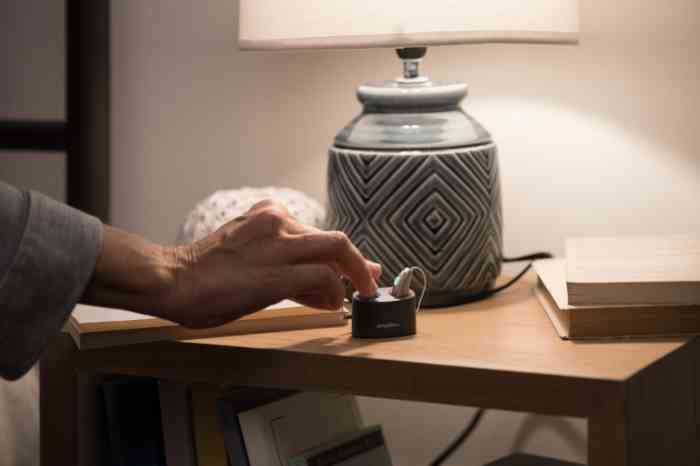


When a hearing aid becomes outdated or reaches the end of its lifespan, many people are unsure how to manage it responsibly. Knowing what to do with old hearing aids, and how to dispose of, recycle or donate them, supports sustainability and ensures that devices suitable for refurbishment may continue to benefit others.
Hearing aids generally last between three and seven years, depending on care, wear and technological relevance. As digital hearing technology evolves, older devices may no longer offer the clarity, comfort or connectivity available in modern models. An “old-fashioned” hearing aid may lack features such as Bluetooth streaming, rechargeable batteries, advanced noise reduction or adaptive directionality. Signs that it may be time for an upgrade include reduced audio quality, frequent breakdowns, poor battery performance or difficulty coping in noisy environments. When these issues affect daily communication, the device is likely considered old or outdated.
Even when no longer needed, old hearing aids can often be put to good use. Depending on their condition, they may be repurposed, reused or passed on through professional channels
Items such as carry cases, cleaning tools, batteries, chargers, domes and earmoulds may still be compatible with new devices. Retaining these accessories can provide practical value and reduce waste.
Hearing care professionals can evaluate old devices and advise whether refurbishment, recycling or safe disposal is the most suitable option.
A backup pair can be helpful if your primary hearing aids require maintenance or repair. Although performance may be limited, a spare device helps maintain communication in the interim.
Recycling is one of the most sustainable ways to manage old hearing aids, particularly when the device is no longer suitable for repair or reuse. Modern hearing aids are made from a combination of plastics, metals and electronic components that can often be recovered through specialist recycling schemes.
During the recycling process, devices are dismantled so that materials can be sorted, processed and reused wherever possible. Metals and certain electronic elements may be reclaimed, while non-recyclable components are managed in a controlled manner to minimise environmental impact. Recycling hearing aid batteries through designated collection points also supports responsible waste management. Choosing a recycling route helps reduce the volume of electronic waste and supports responsible resource management.
If your old or used hearing aids are still in good working condition, donation can be a meaningful way to extend their usefulness. Many charities and international hearing initiatives operate donation schemes that accept second hand hearing aids, provided they are suitable for refurbishment. Once received, the hearing aids are usually cleaned, tested and reprogrammed by trained professionals before being supplied to individuals who may not otherwise have access to hearing support.
Donation programmes often outline specific criteria regarding the age, condition and type of device they can accept, so it is advisable to review these requirements before sending your hearing aids. In most cases, contributions can be made through designated collection points, postal donation schemes or local community drives. By donating your old hearing aids, you help reduce electronic waste while supporting improved hearing access in underserved communities.
Proper disposal becomes necessary when a hearing aid has reached the end of its usable life and can no longer be relied upon for everyday hearing support. These devices should never be thrown away in household waste, as they contain electronic components and batteries that must be handled in accordance with UK waste regulations.
The safest method is to return the hearing aid to a hearing care professional or an authorised electronic waste facility, where it will be processed appropriately. These services ensure compliance with environmental standards and prevent harmful materials from entering landfill sites. Hearing aid batteries should always be recycled separately through designated collection points, as they require different handling from the device itself.
 Find your nearest clinic in one click
Learn more on how your hearing works, thanks to our experts contents. You can also have a look at our blog, with our latest news.