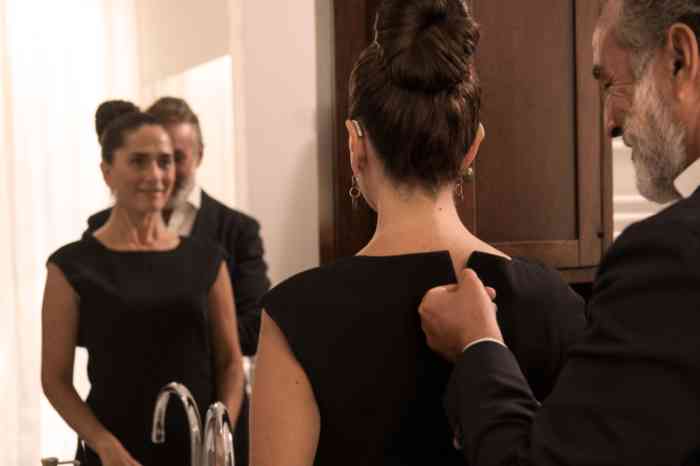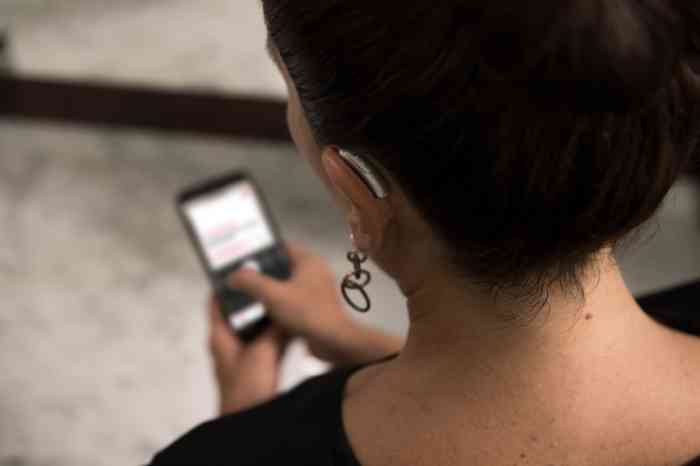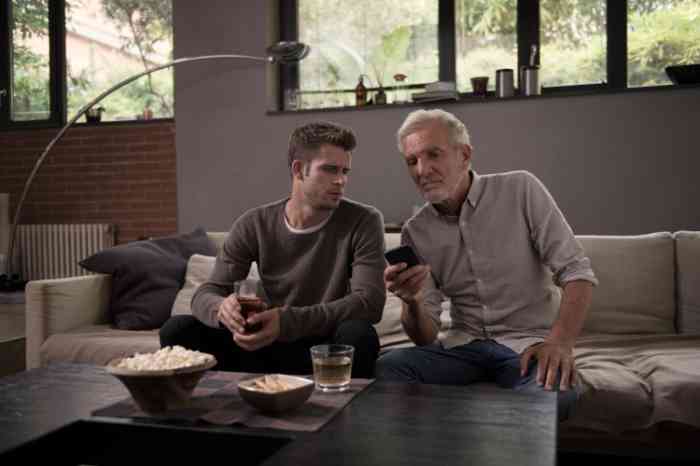


When hearing changes, communication changes too. Not only in words, but in glances, pauses, routines, and expectations. Hearing loss is often described as an individual condition, but in reality it is an experience shared between the person with hearing loss and their close loved ones. It affects how couples talk, how they argue, how they joke, and how they connect emotionally.
The good news is that, with awareness and small daily choices, hearing changes can become an opportunity to grow closer rather than drift apart.
In a relationship, communication is not only about how much you talk, but how you talk. Often, the difference can be made by simple, everyday gestures: looking at each other when speaking, reducing background noise, choosing the right moment for an important conversation, and being present. These small adjustments can dramatically improve communication and reduce fatigue for both partners.
Another key element is avoiding assumptions. Finishing each others' sentences, interrupting, or assuming what the other person means to say may seem like it will save time, but it often creates misunderstandings. Giving your partner the time and space to express themselves is a form of respect. The goal is to make sure you are both on the same page and understand each other clearly, always.
Frustration is normal. For the person experiencing hearing loss, and for the partner who may feel unheard, tired, or unsure how to help. Tension often builds in everyday situations: repeating the same sentence, missing a joke, misunderstanding a request.
Recognising and calmly acknowledging how hearing loss is affecting both of you can help you empathise and tackle it together.
When supporting a partner with hearing loss, the aim is to empower them. Speaking for your partner, answering in their place, or making decisions on their behalf can unintentionally reduce their autonomy and confidence, so we recommend giving your partner the opportunities to communicate clearly and address their hearing loss themselves. Asking things like "Would you like me to repeat that?", "Is this setting going to be too loud to speak clearly?", "How can I help you with your hearing?" keeps them in control and empowers them to address their own hearing. Preserving independence through communication strategies or with the help of hearing aids allows people to feel more confident and happy, making for a happier relationship as well!
Hearing is not only about sound, it's about connection. When hearing changes, intimacy can be affected in subtle ways: fewer spontaneous conversations, more effort in sharing emotions, a sense of distance in moments that were once effortless.
This is where other forms of connection become even more important: eye contact, touch, shared routines, and small gestures can carry meaning beyond words. These other forms of communication help maintain intimacy, no matter what level of hearing you have.
Noisy dinners, family gatherings and crowded events can be different for someone with hearing loss, so preparing together might help. Couples who talk in advance about strategies can feel more confident and less exposed. This may include agreeing on signals when it’s time for a break, choosing quieter seats, planning short pauses, or deciding together how long to stay. Agreeing on how to tackle social moments together makes it more enjoyable and a continued source of pleasure.
 Visit your nearest local clinic
Find your nearest clinic
Visit your nearest local clinic
Find your nearest clinic
Every relationship evolves. Hearing changes are part of that natural evolution and it's an opportunity to strengthen empathy, patience and attention. This is a time to be open with each other, grow together and find the best path forward. Because when hearing changes, love does not diminish. It learns new ways to listen.
Learn more on how your hearing works, thanks to our experts contents. You can also have a look at our blog, with our lates news.