


Hearing aids are essential devices that help millions of people around the world reconnect with the sounds of life. However, if you enjoy swimming or spend a lot of time near water, you may wonder: can you swim with hearing aids?
The short answer is no, but there are important details and practical solutions to ensure your hearing aids stay safe while you enjoy aquatic activities.
Check your hearing regularly and keep tabs on your overall hearing health and wellness. Our free online hearing test is a quick and easy place to start to learn more about your hearing health.

No, you cannot wear hearing aids while swimming. Most hearing aids are not designed to be submerged in water, as exposure to moisture can damage their delicate electronic components. Even devices labelled as water-resistant are not meant for full immersion. Swimming with hearing aids could lead to malfunctions, reduced performance, or even total failure of the device. To avoid costly repairs or replacements, it is crucial to remove your hearing aids before entering the pool, ocean, or other bodies of water.
The term "water-resistant" is often used in the context of hearing aids, but it’s important to understand what this really means. Water-resistant hearing aids are designed to withstand exposure to small amounts of moisture, such as sweat or light rain. These devices typically have an IP (Ingress Protection) rating, which indicates their level of resistance to water and dust. For example, an IP68-rated hearing aid can handle brief exposure to water but is not suitable for swimming.
It’s always wise to check the manufacturer’s guidelines to understand the specific limitations of your hearing aids. While water-resistant features add a layer of protection, they are not a guarantee against water damage, especially during prolonged exposure or immersion.

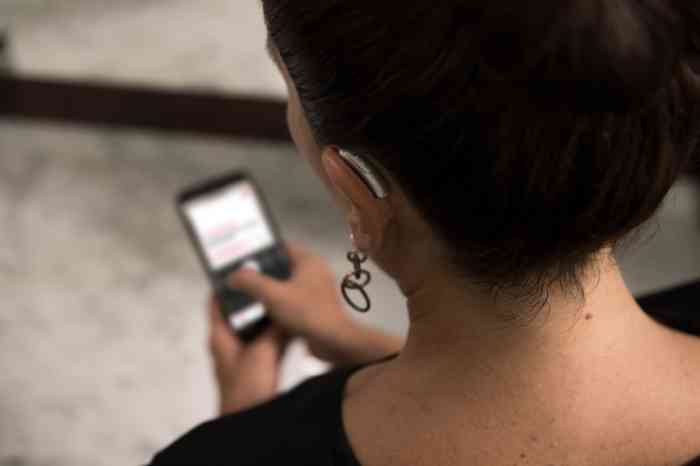
At Amplifon, you'll find hearing solutions that range from almost invisible styles that fit discreetly inside the ear, to those that sit snugly behind the ear. You can even select devices that connect wirelessly to your smartphone.
By taking these measures, you can minimise the risk of water damage and ensure your hearing aids remain reliable for years to come.
Additionally, consider using swimming earplugs to protect your ears from water while keeping your hearing aids safe. Swimming earplugs are designed to create a watertight seal, preventing moisture from reaching your inner ear and reducing the likelihood of complications for hearing aid users.
 Want to test your hearing from the comfort of your home?
Take the online test!
Want to test your hearing from the comfort of your home?
Take the online test!
So, can you wear hearing aids swimming? Unfortunately, traditional hearing aids are not designed for underwater use. However, by understanding the limitations of your device, using water-resistant features appropriately, and exploring waterproof hearing aid covers for swimming, you can enjoy your time near the water without compromising your hearing health. Protect your hearing aids, and they’ll continue to support you in every sound-filled moment of your life.







.jpg/jcr:content/renditions/cq5dam.web.700.700.jpeg)