

Over 350 clinics nationwide with prime locations open 7 days a week. Find your closest clinic

Bone conduction devices

Bone conduction hearing devices are becoming an increasingly popular choice for individuals experiencing hearing loss. Unlike traditional hearing aids, these devices bypass the eardrum and transmit sound vibrations directly to the inner ear through the bones of the skull. This technology has made significant advancements, offering users a new way to experience sound. 

What is a bone conduction hearing device?

Bone conduction hearing devices work by transmitting sound vibrations through the bones of the skull, directly stimulating the cochlea, bypassing the outer and middle ear. This method is particularly beneficial for those who suffer from conductive hearing loss or those with issues with the eardrum or middle ear. These devices are discreet, comfortable, and can be a game-changer for individuals who struggle with traditional hearing aids.

Check your hearing online

Check your hearing regularly and keep tabs on your overall hearing health and wellness. Our free online hearing test is a quick and easy place to start to learn more about your hearing health.

Start hearing test now
Amplifon audiologist

How do bone conduction hearing devices work?

The working principle of a bone conduction hearing device is based on the natural process of bone conduction, which is one of the ways we hear sounds even without realising it. When you speak, part of the sound is transmitted through the bones of your skull to your inner ear. Bone conduction devices enhance this natural process using advanced technology:

  • Sound Collection: The device uses a microphone to pick up external sounds.
  • Vibration Conversion: These sounds are converted into vibrations by a small transducer.
  • Bone Transmission: The vibrations are transmitted through the bones of the skull, typically via a pad or implant placed behind the ear.
  • Inner Ear Stimulation: The vibrations reach the cochlea (inner ear), which sends signals to the brain, allowing the user to perceive sound.
a woman looking at herself through a mirror

We're here to help.

We take the time to understand your hearing health and the impact it’s having on your life and the people closest to you. With approximately 350 Amplifon clinics we can ensure that we can support you when you need us most. Whether you need a FREE hearing test, or a hearing aid adjustment, our audiologists will provide you with expert, professional advice.

Benefits of bone conduction devices

Choosing a bone conduction hearing device comes with several advantages over traditional hearing aids:

  • Bypasses the Eardrum: Ideal for individuals with eardrum damage or chronic ear infections.
  • Comfortable and Secure: No need to insert anything into the ear canal, reducing irritation.
  • Discreet Design: Most models are worn behind the ear or under the hair, making them less noticeable.
  • Water-Resistant Options: Some bone conduction devices are designed for outdoor use, making them perfect for athletes.
  • Enhanced Sound Quality: Direct vibration transmission provides clearer audio, even in noisy environments.

Our Mission

The Amplifon mission is to transform the way hearing healthcare is perceived and experienced worldwide, changing the lives of millions of customers through the passion and superior care of our people. 

Discover more
People smiling and hugging each other

Who can benefit from a bone conduction hearing device?

A bone conduction hearing device is a versatile solution that can help various individuals, including:

People with Conductive Hearing Loss

Conductive hearing loss occurs when sound cannot effectively pass through the outer or middle ear to the inner ear. This can result from conditions such as:

  • Chronic ear infections (otitis media)
  • Perforated eardrums
  • Excessive earwax build-up
  • Ear canal deformities or blockages
  • Otosclerosis (abnormal bone growth in the middle ear)

By bypassing the outer and middle ear and directly stimulating the cochlea through vibrations, a bone conduction hearing device can provide clear sound for individuals with these conditions.

Individuals with Single-Sided Deafness

Single-sided deafness means complete hearing loss in one ear while maintaining normal hearing in the other. Bone conduction devices can help by transmitting sound from the deaf side to the hearing ear, allowing users to perceive sounds from both sides. This improves spatial awareness and sound localisation.

Active Individuals or Athletes

Bone conduction hearing devices are popular among athletes who want to maintain environmental awareness while listening to music or receiving coaching instructions. Because they do not block the ear canal, users can hear ambient sounds, making them safer for outdoor activities such as running or cycling.

People with Medical Conditions Preventing Use of Traditional Hearing Aids

Individuals who cannot wear traditional hearing aids due to allergies, ear eczema, or other ear canal problems can benefit from the non-invasive nature of bone conduction devices.
senior group of friends doing yoga outdoors

Ear diseases and symptoms

Our hearing health can tell us a lot about any underlying ear problems or hearing conditions we may have, whether it be an easily treatable ear infection or other hearing diseases or issues.

Can bone conduction devices help with Sensorineural Hearing Loss?

Bone conduction devices are generally not suitable for sensorineural hearing loss, which involves damage to the inner ear (cochlea) or the auditory nerve. In such cases, traditional hearing aids or cochlear implants may be more effective.

Test your hearing ability from the comfort of your home Take the online hearing test

How to choose the right bone conduction device

When selecting a bone conduction hearing device, consider the following factors:

Level of Hearing Loss

Choose a device designed for your degree of hearing loss.

Comfort and Fit

Ensure the device is comfortable for long-term use, especially if worn daily.

Durability

Look for water-resistant or sweat-proof models if you lead an active lifestyle.

Sound Quality

Advanced models offer clearer sound with noise reduction features.

Professional Guidance

Always consult with a hearing specialist for personalised advice.
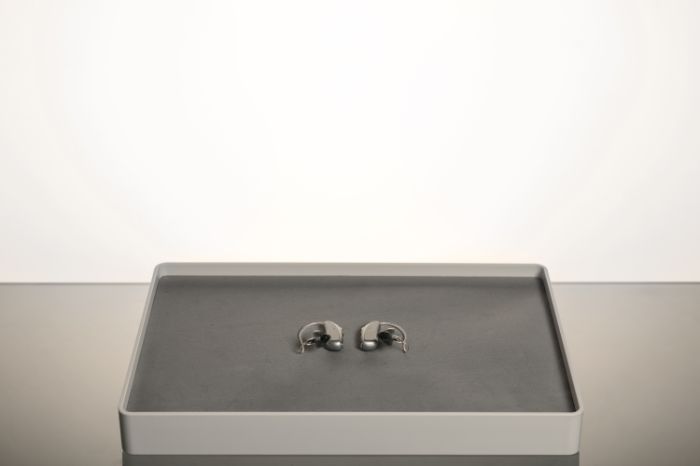
Mini hearing aids in a charging case

Explore our range of advanced hearing aids at Amplifon

Whether you're looking for a solution for hearing loss or just need advice on the best fit for your lifestyle, our experts are here to help.

Book your free consultation today and start your journey to better hearing!

Book now!

Bone conduction hearing devices: Surgical vs Non-Surgical

Surgical Bone Conduction Hearing Devices

Surgical bone conduction devices, such as Bone Anchored Hearing Aids (BAHA), require a minor surgical procedure to implant a small titanium screw or magnet into the skull. This implant serves as a secure attachment point for the hearing device, which directly transmits sound vibrations to the inner ear through the bone.

The main advantages of surgical devices include:

  • Superior Sound Quality: Direct bone transmission provides clearer audio.
  • Long-Term Solution: Designed for permanent use with minimal daily maintenance.
  • Ideas for Chronic Conditions: Beneficial for individuals with chronic ear infections, congenital ear canal abnormalities, or single-sided deafness.

However, because these devices require surgery, they are best suited for individuals who are comfortable with a minor medical procedure and who are looking for a permanent solution to their hearing needs.

Non-Surgical Bone Conduction Devices

Non-surgical bone conduction devices are external solutions that do not require any form of surgical implantation. These devices can be worn using a headband, a clip, or an adhesive pad that sits behind the ear.

Common types include:

  • Headband Models: Ideal for children and those who prefer flexibility.
  • Adhesive Pad Models: Lightweight and discreet for daily use.
  • Sports-Friendly Options: Secure fit for active individuals who want to listen to audio while maintaining awareness of their surroundings.

The key benefits of non-surgical devices include:

  • No Surgical Risks: Suitable for individuals who cannot or do not want to undergo surgery.
  • Easy Maintenance: Can be removed, cleaned, and adjusted at any time.
  • Cost-Effective: Generally more affordable than surgical options.

Which option is right for you?

Choosing between surgical and non-surgical bone conduction hearing devices depends on your hearing needs, lifestyle, and personal preferences. If you are looking for a permanent solution with superior sound quality, a surgical bone conduction device (BAHA) may be the best choice. On the other hand, if you prefer a flexible, removable option without the need for surgery, a non-surgical bone conduction hearing device is the ideal choice.

An audiologist helping the client wearing a hearing aid at the Amplifon center

Why choose Amplifon?

By choosing Amplifon as your hearing care provider, you’re choosing to be cared and looked after by qualified and experienced Audiologists who can help change the way you listen to the world around you.

FAQs on bone conduction hearing devices

Can I wear a bone conduction device while exercising?

Yes, many bone conduction devices are designed for active use, offering secure fits and water resistance.

Do bone conduction devices cause discomfort?

Most users adapt quickly, but a slight vibration sensation may be felt initially.

How long do bone conduction devices last?

With proper care, most devices can last between 3-5 years, though this may vary depending on the model.

Are bone conduction devices expensive?

Prices vary, but there are options for all budgets, from basic models to advanced, high-performance devices.

What is the difference between a cochlear implant and a BAHA?

A cochlear implant directly stimulates the auditory nerve through an internal electrode, bypassing damaged parts of the inner ear. A BAHA (Bone Anchored Hearing Aid) sends sound vibrations through the skull bone to the inner ear. They work in completely different ways and are recommended for different types of hearing loss.
Visit your local clinic for more information

Conclusion on bone conduction device

A bone conduction hearing device offers a unique way to experience sound, providing clear audio without relying on the eardrum. Whether you choose a high-performance bone conduction hearing device, a versatile bone conduction device, or one of the many bone conduction devices available, you can find a solution that suits your hearing needs. Speak with a hearing specialist to find the device that's right for you.

Please note that Amplifon does not offer bone conduction devices.
Discover all the benefits of Amplifon hearing aids

Ampli-Energy Rechargeable Hearing Aids
Rechargeable
ampli-connect headphones
Connected
Ampli-mini invisible hearing aids
Invisible
For everyone

Thank you

You will be contacted shortly by our team to book your appointment

Get support and advice

Request an appointment

Book now

Take an online hearing test

Take the test

Find a clinic near you

Find a clinic