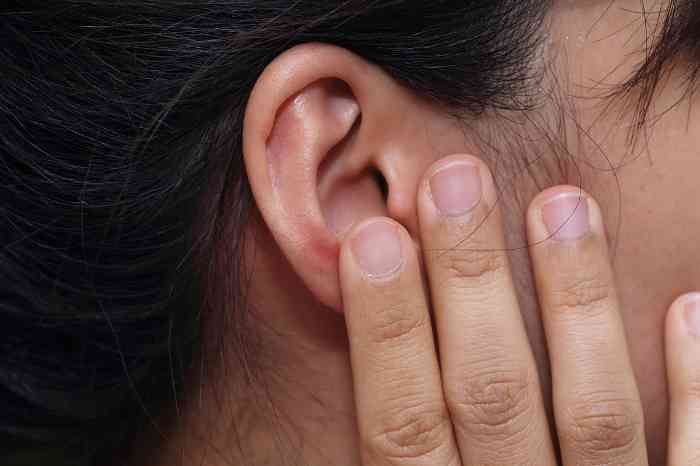
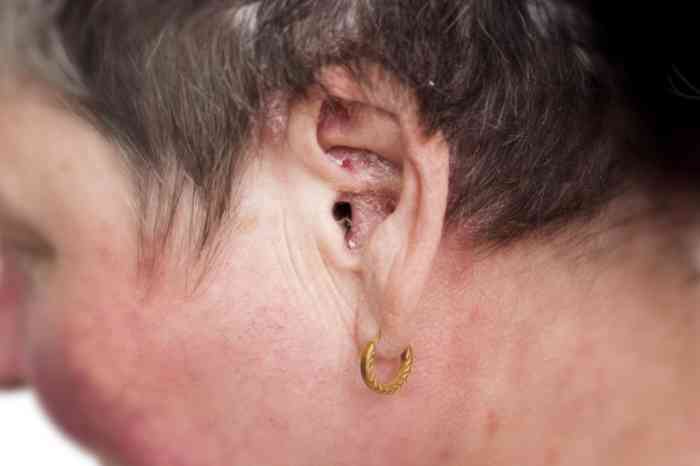
Itchy ears are common, and the cause is often simple, like dry skin or trapped water. Sometimes the itch points to an allergy, an infection or a skin condition. If you’re asking youself the reasons why your ears are so itchy, this guide explains the main causes, how to find relief safely and when to see a doctor.
An itchy ear is a sign that the skin or nerves of the ear are irritated. If your ears are itchy, the cause can range from harmless to easily treatable. What causes itchy ears most often? Dry skin, earwax problems, allergies, skin conditions such as eczema, irritation from earbuds or hearing aids, and infections of the outer ear. The reasons for itchy ears are easier to narrow down once you notice where the itch is: inside the ear, on the outer ear, or together with an itchy or sore throat.

As part of the Amplifon Promise, you'll benefit from our hearing tests and our 90-day money back guarantee assures you of your peace of mind. Reach out for a hearing test and learn more about our hearing aids.
An itchy ear canal is the most common version of this problem. Many people describe it as an itchy inner ear or itchy internal ear, and it can feel as if it comes from deep inside. In most cases, though, the itch starts in the skin of the ear canal, not in the inner ear itself, which is the part responsible for hearing and balance. Why is the inside of my ear itchy? Usually because the skin there is dry, irritated or inflamed. Itchy inside ears can also come from allergies, or from a blocked nose affecting the tube that connects the ear and the throat.
When the itch is on the outside, the skin of the ear is usually the culprit. Itchy external ears are often caused by contact dermatitis, a reaction to earrings (especially those containing nickel), hair dye, shampoo, hairspray or skincare products. Eczema, psoriasis, seborrheic dermatitis and sunburn can also be responsible. Itchy ears on the outside that look red, flaky or scaly usually point to a skin condition rather than a problem inside the ear.

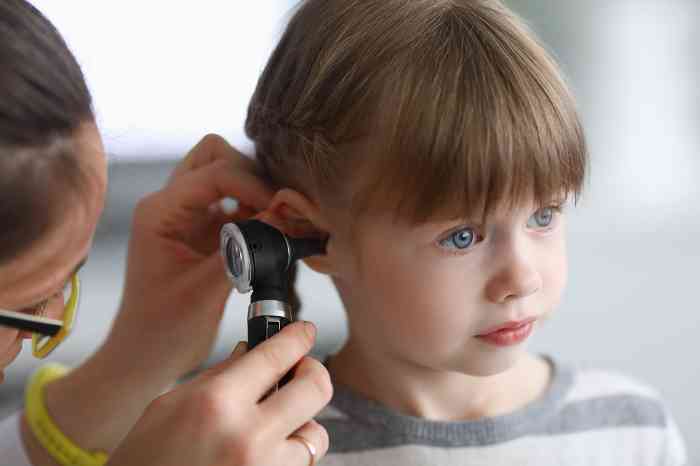
There are several possible causes for itchy ears. Ere are some of the most common:
Itchy throat and ears at the same time most often point to allergies. Pollen, dust mites and pet dander can inflame the lining of the nose and throat and the Eustachian tube, which connects the throat to the middle ear. Itchy throat and itchy ears can also appear with a cold or sinus infection, together with a runny nose and sneezing. If you have a sore throat and itchy ears, a viral infection is a common explanation. Some people with pollen allergies also feel itching in the mouth, throat and ears after eating raw fruit or vegetables, a reaction known as oral allergy syndrome.
See a doctor if the symptoms come with fever, difficulty swallowing, severe ear pain, ear discharge or hearing loss. Swelling of the lips, tongue or face, or trouble breathing, is an emergency: call your local emergency number right away.
The right itchy ears treatment depends on the cause. For most people, itchy ears relief comes from simple steps, and a doctor or pharmacist can help when it doesn’t. There is no single cure for itchy ears, because the itch is a symptom, not a condition.
Home remedies for itchy ears are mostly about removing irritation and protecting the skin. You can:
If you’re wondering how to stop an itchy ear right now, start with the simplest itchy ear remedy: stop scratching and don’t put anything in the ear. Scratching damages the skin and can lead to infection. Then:
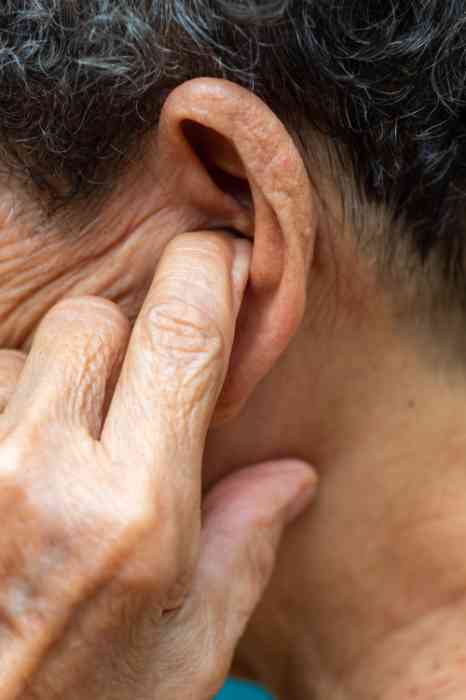

Most itchy ears improve within a few days with simple care. See a doctor if: