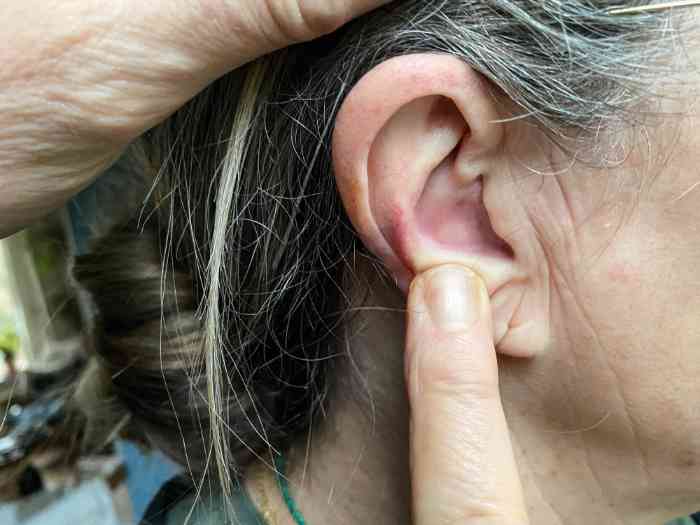
Perforated eardrum: causes and treatment

What is a perforated or ruptured eardrum


A perforated eardrum or ruptured eardrum occurs when the thin membrane that separates the outer ear from the middle ear becomes torn or develops a hole. This membrane, known as the tympanic membrane, plays a crucial role in transmitting sound vibrations to the inner ear.

When it is damaged, it can lead to a variety of symptoms, including hearing loss, discomfort, and an increased risk of middle ear infections. While some perforations are small and may heal on their own, larger tears or those caused by trauma often require medical attention to prevent complications.


Symptoms of a ruptured eardrum

The symptoms of a perforated or ruptured eardrum can vary depending on the size of the tear and the underlying cause. Many people experience ear pain, which may range from mild discomfort to sharp, intense pain, especially if the eardrum is infected. A common symptom is hearing loss, often described as a muffled or “underwater” sensation.

Some individuals notice fluid discharge from the ear, which may contain pus or blood, and a ringing or buzzing sound known as tinnitus. In cases of larger perforations, bleeding may occur, and the ear may feel unusually full or sensitive to pressure changes. Recognizing these symptoms early is important to prevent further damage or infection.

Hearing test online

When you find it harder to react to auditory stimulus, it’s best to try our online hearing test and have a first answer on your hearing health in a couple of minutes.

Start the test
A woman performing a hearing test

Causes of a perforated or ruptured eardrum

There are several reasons why a perforated or ruptured eardrum may occur. One of the most common causes is middle ear infections, which can increase pressure behind the eardrum and weaken the tissue until it ruptures.

Sudden changes in pressure, such as during flying, scuba diving, or even a rapid change in altitude, can also lead to a tear. Exposure to loud noises or acoustic trauma is another possible cause, particularly in environments with high-decibel sounds.

Additionally, direct injury to the ear, whether from a blow to the head or an inserted object, can result in a perforation. Understanding the cause of the tear is important for determining the appropriate treatment and preventing recurrence.

How to tell if your eardrum is perforated or ruptured

Identifying a perforated or ruptured eardrum often involves paying attention to both physical sensations and visible signs. Individuals may notice persistent ear pain, which can worsen with movement, chewing, or changes in air pressure. Hearing may be partially reduced, and sounds can seem muffled or distorted.

In some cases, fluid or blood may drain from the ear, indicating a more serious perforation. A feeling of pressure or fullness in the ear is also common. Confirming the diagnosis requires a medical examination, usually with an otoscope, which allows a doctor to see the tear directly. Additional hearing tests can help assess the extent of hearing loss, while examination for infection ensures proper treatment.


How to diagnose ruptured eardrum

Diagnosis typically involves an examination with an otoscope. During this examination, a healthcare professional looks inside the ear canal to identify the presence, size, and location of the perforation, as well as any signs of infection or inflammation.

Hearing tests may also be performed to assess the degree of hearing loss and evaluate how well the ear is functioning.

Quick tips to protect your hearing Explore more

Will a perforated eardrum heal?

Many small perforated or ruptured eardrums heal naturally without surgical intervention. Healing typically occurs within two to eight weeks, depending on the size of the tear and overall ear health.

Larger or complicated perforations, especially those associated with infection, may require medical procedures to repair the eardrum. The natural healing process begins with a reduction in pain and drainage, followed by the formation of scar tissue that gradually closes the perforation. Complete restoration of the eardrum may take several weeks, and hearing is usually fully regained once the membrane heals.

Perforated eardrum cure and treatments

Treatment for a perforated or ruptured eardrum varies depending on the severity of the damage and the presence of infection. Antibiotics are commonly prescribed to prevent or treat infections that could complicate healing. In some cases, prescription ear drops, such as Ciprodex, are recommended to manage inflammation and infection directly in the ear canal.

When natural healing does not occur, surgical repair—known as tympanoplasty—may be necessary to restore the integrity of the eardrum. During recovery, it is important to keep the ear dry, avoid sudden pressure changes, and monitor for any worsening of symptoms. Proper rest and adherence to medical advice significantly increase the likelihood of full recovery.

How to prevent a ruptured eardrum

Taking simple daily steps to care for your ears can significantly reduce the risk of a perforated eardrum. Avoid inserting cotton swabs or other objects into the ear canal, as this can cause accidental injury. Seek timely treatment for ear infections to prevent pressure buildup and complications.

It is also important to protect your ears from sudden or loud noises by using appropriate hearing protection in high-noise environments. For example, when flying or diving, take precautions to manage pressure changes safely, such as swallowing, yawning, or following proper descent techniques. Additionally, managing colds, allergies, and sinus congestion can help minimize pressure stress on the eardrum.

Simple daily habits and awareness can go a long way in preserving ear health and preventing damage.

What side should i sleep on with a ruptured eardrum​?

When you have a ruptured eardrum, it is generally recommended to sleep on the opposite side of the affected ear. This helps reduce pressure and prevents fluid from accumulating in the damaged ear, promoting comfort and faster healing.

Frequently Asked Questions

Does it hurt when eardrum ruptures?

Yes, a ruptured eardrum can be painful. Some people experience a sharp, sudden pain, while others notice a throbbing or dull ache. The pain may also worsen with pressure changes, such as when yawning, chewing, or flying.

What happens if your eardrum ruptures?

A ruptured eardrum creates a tear or hole in the tympanic membrane, which can lead to hearing loss, fluid or pus discharge, and increased susceptibility to infections. Most small ruptures heal naturally, but larger tears may require medical treatment to prevent complications.

Can you hear with a perforated eardrum?

Hearing may be partially reduced with a perforated eardrum. Sounds may seem muffled or less clear, but most small perforations do not cause complete hearing loss. Hearing usually improves as the eardrum heals.

Can you fly with a perforated or ruptured eardrum?

Flying with a perforated or ruptured eardrum is generally discouraged. Air pressure changes during takeoff and landing can worsen the tear, cause severe discomfort, and even lead to additional damage. People recovering from a perforation should consult a doctor before air travel.

Should i take time off work with a perforated eard

Whether you need time off depends on your symptoms. If you have significant pain, hearing difficulties, or an active infection, resting at home can help recovery. Otherwise, light duties may be possible while avoiding activities that expose your ear to water or pressure changes.

What does a ruptured eardrum feel like?

A ruptured eardrum can feel like a sharp or sudden pain, a sense of pressure or fullness, and sometimes ringing or buzzing in the ear. Some people also notice fluid or blood draining from the ear, which can be alarming but is part of the healing process.
Find your nearest hearing clinic today.

Get support and advice

Request a hearing test

Schedule an apppointment

Request now

Test your hearing online

Get your results online

Take the test

Find your nearest hearing clinic

Visit the branch locator

Find a clinic