%20rs.png)

Ear eczema is more common than many realize. The delicate skin of the ears can sometimes become itchy, red, or flaky — causing discomfort that can affect daily life. From dryness and irritation to swelling and occasional pain, ear eczema can be persistent and frustrating.
Fortunately, with proper knowledge and simple care routines, it is possible to soothe the ears, reduce flare-ups, and maintain healthy skin. This guide will explore the causes, symptoms, and practical strategies for managing ear eczema effectively — helping you take better care of your ears and overall well-being.
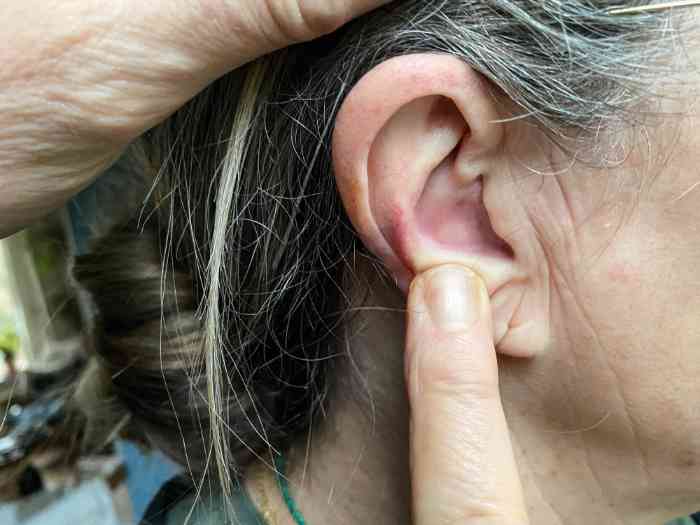
Ear eczema, also known as auricular eczema, is a condition where the skin of the outer ear becomes inflamed, dry, itchy, or flaky. It can affect the ear canal, earlobe, or the folds of skin around the ear, and sometimes even the area behind the ear. While it is not contagious, it can be uncomfortable and, if left untreated, may lead to pain, infection, or hearing difficulties.
Eczema occurs when the skin’s natural barrier is weakened, making it more sensitive to irritants, allergens, or even changes in weather. In the case of the ears, triggers can include frequent exposure to water, harsh soaps, earrings, or skin conditions like atopic dermatitis. Understanding what ear eczema is can help in recognizing symptoms early and taking steps to manage it effectively.
Psoriasis and ear eczema can sometimes look similar, but they are distinct conditions:
Understanding the difference is important for treatment, as each condition may require different approaches, from medicated creams to lifestyle adjustments.
The terms ear eczema and dermatitis are often used interchangeably, but there are subtle differences:

As part of the Amplifon Promise, you'll benefit from our hearing tests and our 90-day money back guarantee assures you of your peace of mind. Reach out for a hearing test and learn more about our hearing aids.
Eczema is not a one-size-fits-all condition. There are several types, each with different triggers, symptoms, and treatment approaches. Understanding the type of eczema affecting your ears can help in managing it more effectively and preventing flare-ups. Common forms that can appear in the ear include seborrhoeic eczema, atopic eczema, and contact eczema.
Seborrhoeic eczema is a type of eczema caused by overactive oil glands and sometimes linked to a yeast called Malassezia. On the ear, it often appears as:
This form of eczema commonly affects areas with more oil glands, such as the ear canal, earlobes, and behind the ears. While it can be persistent, regular cleansing, gentle moisturizers, and sometimes medicated creams can help control flare-ups.
Ear eczema can affect several parts of the ear, not just the visible outer area. Common locations include:
Recognizing where eczema appears is important for treatment, as different areas may require different approaches — from gentle cleansing to medicated creams or protective measures.
Ear eczema can cause a variety of symptoms — some subtle, others more noticeable — affecting the skin on and around the ear. Recognizing these signs early helps you manage the condition and prevent complications such as infection.
These symptoms can vary in intensity and may worsen with scratching or exposure to irritants like harsh soaps or excessive moisture. Consulting a healthcare professional is important if symptoms persist or if signs of infection (such as yellow or green discharge, increased pain, or warmth) develop.
Ear eczema can be triggered by a variety of factors, including allergies, irritants, skin conditions like atopic dermatitis, infections, and environmental factors. Frequent exposure to water, harsh soaps, earrings, or even stress can aggravate the skin and lead to flare-ups. Understanding the cause is important for effective management and prevention.
Diagnosis usually involves a physical examination by a healthcare professional, who will look at the affected areas and consider your medical history. In some cases, doctors may perform allergy tests or skin swabs to rule out infections and identify triggers. Early diagnosis ensures proper treatment and helps prevent complications like infections or chronic irritation.
Treatment for ear eczema often depends on severity and underlying causes. Common approaches include topical corticosteroids, medicated creams, antifungal or antibacterial treatments, and moisturizers. A healthcare professional can tailor treatment based on whether the eczema is mild, moderate, or severe, and help identify triggers to reduce flare-ups.
When you find it harder to react to auditory stimulus, it’s best to try our online hearing test and have a first answer on your hearing health in a couple of minutes.

Mild cases of ear eczema can often be managed at home with gentle cleansing, regular moisturizing, and avoiding irritants. Tips include:
While home care can help, persistent or worsening symptoms should always be evaluated by a healthcare professional.
In most cases, ear eczema primarily causes itchiness, dryness, and irritation, but it can sometimes have a mild impact on hearing. When eczema affects the ear canal, the buildup of flaky or scaly skin can partially block the passage of sound. This may create a feeling of fullness, muffled hearing, or temporary reduction in hearing clarity.
Severe or untreated eczema can also lead to secondary infections, which might further affect hearing and cause pain or discharge. Fortunately, these effects are usually temporary. Proper treatment — including gentle cleansing, moisturizing, and medicated creams when needed — can reduce inflammation, remove blockages, and restore normal hearing.
Ear eczema is generally a chronic condition, which means that while it can be managed effectively, it may recur over time. With proper care, including moisturizing, avoiding triggers, and using prescribed treatments, flare-ups can be minimized and the skin can remain healthy for long periods.
However, eczema is often influenced by genetic factors, allergies, or environmental triggers, so it’s common for symptoms like dryness, itching, or flaking to return, especially during times of stress, seasonal changes, or after exposure to irritants.
The goal of treatment is usually control rather than cure — keeping flare-ups short, preventing infection, and maintaining comfort. Regular skin care, gentle cleansing, and prompt attention to early symptoms can help reduce the frequency and severity of recurrences.