%20rs.png)
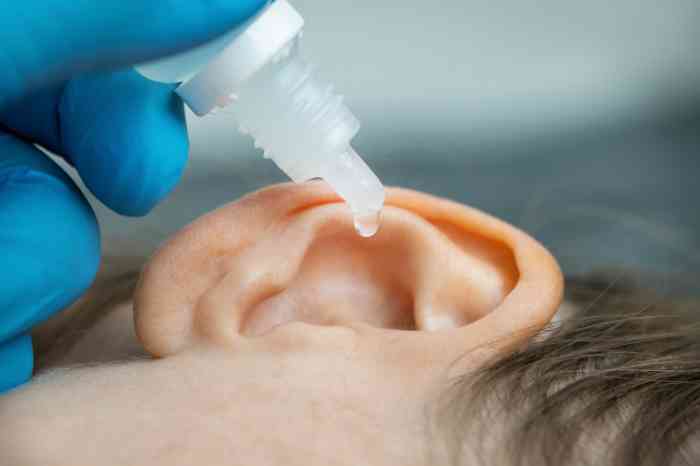
Hydrogen peroxide in the ear is a commonly searched home remedy used to clean earwax, relieve blocked ears, and in some cases help with mild ear discomfort. It works by releasing oxygen when it comes into contact with earwax or debris, creating a bubbling or fizzing effect that helps loosen buildup inside the ear canal.
Although widely used, many people are unsure whether it is safe, how long it should be left in the ear, and when it should be avoided. Understanding how hydrogen peroxide works in the ears is essential before using it.
Hydrogen peroxide in the ear is mainly used for earwax removal and general ear cleaning. When applied in low concentrations, it helps soften and break down hardened earwax, making it easier for the body to naturally remove it.
In some cases, it is also used when the ear feels clogged or blocked, especially due to wax buildup or trapped water. The bubbling action can help dislodge debris, which is why people often notice crackling or fizzing sounds when using it.
However, its use for ear infections is more controversial. While hydrogen peroxide may help clean the outer ear, it is not a treatment for middle or inner ear infections and should not replace medical care.

As part of the Amplifon Promise, you'll benefit from our hearing tests and our 90-day money back guarantee assures you of your peace of mind. Reach out for a hearing test and learn more about our hearing aids.
When used correctly, hydrogen peroxide should be applied in small amounts. Typically, a few drops are placed into the ear while the head is tilted to allow the solution to reach the ear canal.
After application, it is usually left in the ear for a short period so it can break down wax and debris. People often wonder how long to leave hydrogen peroxide in ear — in most cases, a few minutes is enough before letting it drain out naturally.
It is important not to overuse it or apply it too frequently, as this can irritate the ear canal.
One of the most common uses of hydrogen peroxide in the ear is for earwax removal. It helps soften hardened wax, making it easier for the ear to naturally expel it.
The bubbling effect occurs when hydrogen peroxide reacts with organic material like wax. This is completely normal and often indicates that the solution is working. However, excessive or frequent use is not recommended, as the ear naturally cleans itself in most cases.
Some people use hydrogen peroxide in the ear for ear infection or earache, but this is not a medically recommended treatment. While it may help clean the outer ear surface, it does not treat bacterial or viral infections inside the ear.
If ear pain or infection is present, using hydrogen peroxide may even increase irritation. In such cases, proper medical treatment is necessary rather than home remedies.
Hydrogen peroxide may sometimes help if a clogged ear is caused by wax buildup. By softening the wax, it can make it easier for the blockage to clear.
However, if the clogged sensation is due to fluid, infection, or Eustachian tube dysfunction, hydrogen peroxide will not be effective and may delay proper treatment.
Hydrogen peroxide is sometimes used to help release trapped water in the ear because it can create gentle bubbling that may encourage fluid to drain from the ear canal. As it evaporates, it may also help dry excess moisture, reducing the feeling of a “blocked” ear after swimming or showering.
However, it is not a medically recommended treatment for water trapped in the ear. In most cases, the ear naturally clears fluid on its own through jaw movement or gravity. If discomfort, pain, or a persistent blocked sensation continues, it may be a sign of irritation or infection, and medical advice should be sought.
Hydrogen peroxide can be safe in the ear when used correctly in low concentrations (around 3%). However, it is not suitable for everyone.
It should be avoided in cases of:
Possible side effects include temporary discomfort, dryness, or a bubbling sensation in the ear canal.
When used appropriately, only a few drops are typically applied into the ear while the head is tilted. The solution is left briefly in place to allow it to act on earwax, then drained naturally.
It is important not to overuse it or apply it too frequently, as this can irritate the ear canal and disrupt its natural cleaning process.
Hydrogen peroxide should only remain in the ear for a short time. Leaving it too long does not increase its effectiveness and may cause discomfort or dryness.
Most guidance suggests letting it sit briefly until the bubbling stops, then tilting the head to allow it to drain. If you experience burning, pain, or prolonged discomfort, it should be stopped immediately.
Many people ask whether you can put hydrogen peroxide in your ear safely. In general, low concentrations (typically 3%) are sometimes used for earwax softening in adults.
However, it should never be used without caution. It is not suitable for everyone, especially if you have a perforated eardrum, ear pain of unknown origin, or an active infection. In these cases, using hydrogen peroxide in the ear can worsen symptoms or cause irritation.
If you are unsure, it is always safer to consult a healthcare professional before using it.