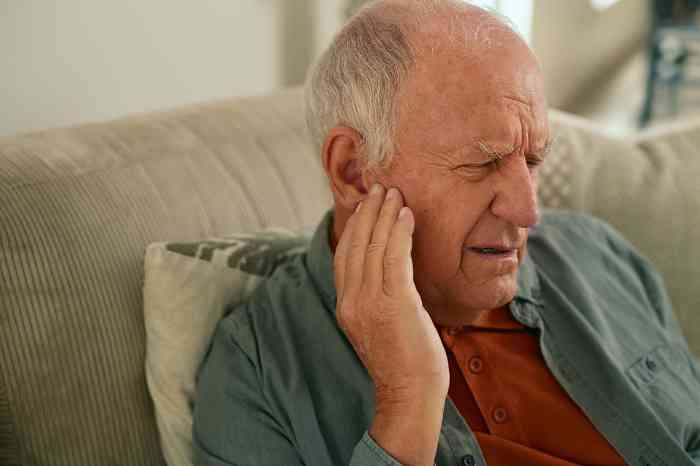
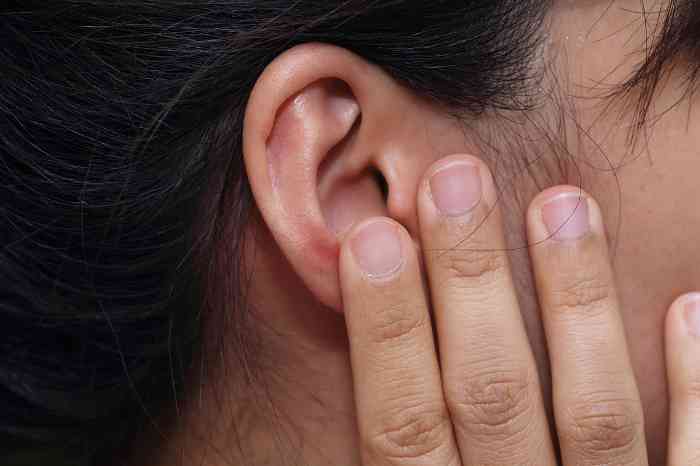
What is eustachian tube dysfunction?

Eustachian tube dysfunction is a common condition that can affect hearing, balance, and overall ear comfort. From a persistent feeling of pressure to muffled sounds or ringing in the ears, ETD can significantly impact daily life. Understanding how the eustachian tube works, what causes it to malfunction, and which treatments are available is the first step toward effective relief and better ear health.

What is eustachian tube dysfunction?

The eustachian tube is a small canal connecting the middle ear to the back of the nose and upper throat. Its main job is to equalize ear pressure, drain fluid from the middle ear, and keep the ear healthy. When the tube doesn’t work properly, air pressure can’t balance, fluid may accumulate, and symptoms like ear fullness, discomfort, and muffled hearing can occur. This condition is known as eustachian tube dysfunction (ETD).

Types of eustachian tube dysfunction

ETD can manifest in different ways, depending on whether the tube is obstructed, overly open, or affected by pressure changes. Understanding the type of ETD is essential for effective treatment.

Obstructive eustachian tube dysfunction

Obstructive ETD occurs when the eustachian tube cannot open properly, leading to trapped air and fluid in the middle ear. This obstruction often results from allergies, colds, sinus infections, or structural issues in the nasal passages. Patients typically experience ear fullness, muffled hearing, pressure, popping sounds, and sometimes mild pain. Over time, persistent obstruction can increase the risk of middle ear infections and fluid accumulation, which may further affect hearing.

Patulous eustachian tube dysfunction

In patulous ETD, the eustachian tube remains abnormally open, causing unusual auditory sensations known as autophony. This makes a person hear their own voice, breathing, or heartbeat unusually loudly. While less common than obstructive ETD, it can be very uncomfortable and socially disruptive. Common triggers include weight loss, dehydration, or neurological factors that affect the muscle controlling the tube.

Baro-challenge–induced eustachian tube dysfunction

This type occurs during rapid changes in atmospheric pressure, such as flying, scuba diving, or driving in mountains. If the eustachian tube cannot equalize pressure quickly, it may cause ear pain, pressure, and temporary hearing issues.

Chronic eustachian tube dysfunction

Chronic ETD refers to persistent symptoms lasting longer than three months. It can develop from repeated infections, prolonged allergies, or structural nasal problems. Individuals with chronic ETD may experience ongoing ear fullness, pressure, tinnitus, hearing difficulties, and recurrent infections. Chronic cases often require specialized medical treatment or surgical intervention, as home remedies alone may not provide sufficient relief.

Symptoms of eustachian tube dysfunction

Common symptoms include:

  • Ear fullness or pressure
  • Muffled or reduced hearing
  • Ear pain or discomfort
  • Popping or clicking sounds
  • Tinnitus (ringing in the ears)
  • Balance issues or dizziness in some cases

Symptoms can vary depending on the type and severity of the dysfunction.

a child with an hearing aid

Discover our various hearing protections

Our hearing is made up of a sensitive structure that can be damaged easily from the exposure to intense noise levels. Hearing protection can prevent damage to the fragile form of the inner ear by reducing the noise exposure level which can risk a hearing loss.

Eustachian tube dysfunction causes

ETD can result from a combination of infections, allergies, anatomical issues, or environmental factors, such as:

  • Allergies or sinus inflammation
  • Colds or respiratory infections
  • Deviated septum or nasal polyps
  • Smoking or environmental irritants
  • Rapid pressure changes (flying, diving)
  • Rarely, stress, anxiety, or dental infections

How is eustachian tube dysfunction diagnosed?

Diagnosing ETD involves a thorough evaluation of symptoms, medical history, and specialized tests. A doctor will often start with a physical examination of the ears, nose, and throat to identify signs of inflammation, fluid, or structural obstruction.

Tympanometry and other diagnostic tests

Tympanometry is a key diagnostic tool that measures eardrum movement in response to air pressure changes, helping detect fluid or pressure issues in the middle ear.

Audiometry evaluates hearing levels and can reveal temporary hearing loss due to ETD.

In complex cases, endoscopy allows direct visualization of the eustachian tube opening in the nasopharynx.

For persistent or chronic cases, CT scans may be used to examine structural abnormalities.

These tests together provide a comprehensive picture of tube function and middle ear health, guiding the choice of treatment.

Book a hearing test Request now

Eustachian tube dysfunction treatment

Treatment depends on the type and severity of ETD. Options range from conservative measures to medical and surgical interventions, with the goal of relieving symptoms, restoring proper tube function, and preventing complications.

Surgery for eustachian tube dysfunction

Surgical procedures, such as balloon eustachian tuboplasty, involve widening the eustachian tube to improve airflow and pressure equalization. Surgery is typically considered for chronic obstructive ETD that does not respond to medical treatments. In many cases, it provides long-term relief and reduces the risk of recurrent infections.

Ear tubes (tympanostomy tubes)

Tympanostomy tubes are small tubes inserted into the eardrum to ventilate the middle ear and drain fluid. This approach is often used in children with recurrent ear infections or adults with persistent fluid buildup, helping restore hearing and reduce pressure-related discomfort.
Find out more in our clinics

Home remedies for eustachian tube dysfunction

Simple techniques can support ETD management. Yawning, swallowing, or chewing gum helps open the eustachian tube naturally. Steam inhalation or warm compresses can relieve nasal congestion, while nasal saline sprays keep passages moist and clear. These remedies are particularly effective for mild or temporary ETD.

Vitamins and supplements

Certain nutrients, such as vitamin C, zinc, and omega-3 fatty acids, may support immune and sinus health, potentially reducing inflammation that contributes to ETD. While supplements cannot cure ETD, they can complement other treatments and support overall ear and respiratory health.

Exercises to improve eustachian tube function

Exercises such as the Valsalva maneuver (gently blowing with the nose closed) and the Toynbee maneuver (swallowing with the nose pinched) can help retrain the eustachian tube to open more efficiently. Practicing these techniques regularly may alleviate pressure, reduce popping, and improve hearing over time.

Best antihistamine for eustachian tube dysfunction

Antihistamines can reduce allergic inflammation and nasal congestion, which may relieve ETD symptoms in cases triggered by allergies. However, they are less effective for chronic or structural ETD, and long-term use should be guided by a healthcare professional.

Nasal sprays for eustachian tube dysfunction

Nasal sprays, including decongestants and steroid sprays, can help reduce inflammation and congestion. Decongestants provide temporary relief by opening nasal passages, while steroid sprays target chronic inflammation. Proper use under medical supervision is important to avoid side effects.
An hearing test

What is hearing loss?

Hearing loss is the partial or total inability to hear. It’s a common problem that can affect anyone. Also referred to as hearing impairment or deafness, hearing loss covers a wide range of categories and symptoms which can be caused by a variety of factors and circumstances.

How long does eustachian tube dysfunction last?

The duration of ETD varies. Acute cases, often triggered by colds or allergies, usually resolve within days to weeks. Chronic ETD, caused by structural issues or prolonged inflammation, can last months or longer and may require surgical intervention. Baro-challenge ETD, triggered by pressure changes, is typically temporary, resolving once the environmental pressure stabilizes. Individual response depends on underlying cause, overall ear health, and treatment approach.

FAQs about eustachian tube dysfunction

Can eustachian tube dysfunction cause tinnitus?

Yes, eustachian tube dysfunction (ETD) can cause tinnitus, which is the perception of ringing, buzzing, or hissing sounds in the ear. When the eustachian tube fails to equalize pressure properly, fluid or negative pressure can build up in the middle ear, affecting how sound vibrations are transmitted to the inner ear. This can create a sensation of persistent or intermittent tinnitus. Tinnitus caused by ETD is often temporary, resolving once the underlying pressure imbalance or inflammation is treated, though chronic cases may require medical intervention.

Can eustachian tube dysfunction be cured?

Whether ETD can be cured depends on its type and underlying cause. Acute ETD caused by colds, sinus infections, or allergies often resolves naturally or with conservative treatments such as nasal sprays, antihistamines, or pressure-equalizing exercises.

Chronic or structural ETD, caused by narrowed tubes, chronic inflammation, or anatomical issues, may not fully resolve on its own but can be effectively managed with medical treatments or surgical interventions, such as balloon eustachian tuboplasty or ear tubes.

While “cure” may not always be immediate, long-term relief and improved ear function are achievable.

Can eustachian tube dysfunction cause fatigue?

Yes, ETD can contribute to fatigue, though indirectly. Persistent ear pressure, muffled hearing, discomfort, and tinnitus can affect sleep quality, concentration, and overall energy levels. Individuals with chronic ETD may experience mental strain or irritability due to ongoing discomfort or recurrent ear infections. Additionally, the body’s immune response to allergies or infections that trigger ETD can also contribute to tiredness. Managing ETD symptoms effectively can help reduce fatigue and improve daily functioning.

Can you fly with eustachian tube dysfunction?

Flying with ETD can be challenging because rapid changes in air pressure during takeoff and landing put extra stress on the eustachian tube. People with ETD may experience ear pain, pressure, popping, or temporary hearing changes while flying. To reduce discomfort, passengers are advised to practice pressure-equalizing techniques such as swallowing, yawning, chewing gum, or performing the Valsalva maneuver. In some cases, decongestant nasal sprays or pre-flight consultation with a doctor can help prevent or minimize symptoms.

Can allergies cause eustachian tube dysfunction?

Yes, allergies are a common cause of ETD. Allergic reactions in the nasal passages and sinuses can lead to swelling and mucus buildup, which blocks the eustachian tube. This prevents proper drainage and pressure equalization in the middle ear. People with seasonal allergies, dust sensitivity, or chronic allergic rhinitis are more prone to ETD, especially during allergy season. Treating the allergy with antihistamines, nasal steroids, or avoiding triggers can often relieve or prevent ETD symptoms.

Can a tooth infection cause ETD?

Indirectly, yes. Infections in the upper teeth, especially the molars, can spread inflammation to the sinuses or the upper jaw region near the eustachian tube. This can cause nasal congestion or sinus swelling, making it difficult for the eustachian tube to open properly. While a tooth infection is not a common cause of ETD, resolving the dental infection often reduces associated ear pressure and discomfort.

Can a deviated septum cause ETD?

Yes, a deviated septum can contribute to ETD by blocking airflow in the nasal passages, which impairs the ability of the eustachian tube to equalize middle ear pressure. This obstruction can lead to chronic ear fullness, pressure, or recurrent infections, especially if combined with sinus inflammation or allergies. In severe cases, surgical correction of the septum (septoplasty) may be recommended to improve airflow and reduce ETD symptoms.


Can acupuncture help with ETD?

Some studies suggest that acupuncture may provide temporary relief from ETD symptoms, particularly ear pressure and discomfort. The proposed mechanism is stimulation of specific points to improve circulation and reduce inflammation around the eustachian tube. However, scientific evidence is limited, and acupuncture should not replace conventional treatments. It can be considered as a complementary therapy alongside medical or surgical approaches.

Can ETD be caused by stress or anxiety?

Stress and anxiety do not directly cause ETD, but they can exacerbate existing symptoms. Tension in the muscles around the jaw and neck may influence eustachian tube function, and heightened awareness of discomfort can make symptoms feel more severe. Stress may also indirectly contribute by weakening the immune response, making infections or allergies more likely, which in turn can trigger ETD. Managing stress with relaxation techniques, exercise, or therapy can help reduce the impact of ETD symptoms.

Get support and advice

Request a hearing test

Schedule an apppointment

Request now

Test your hearing online

Get your results online

Take the test

Find your nearest hearing clinic

Visit the branch locator

Find a clinic