%20rs.png)
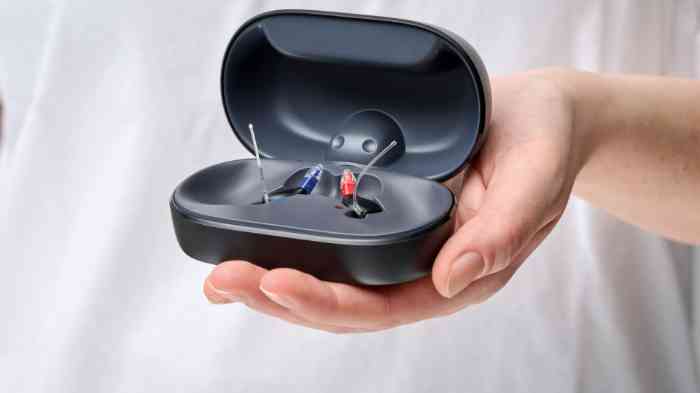
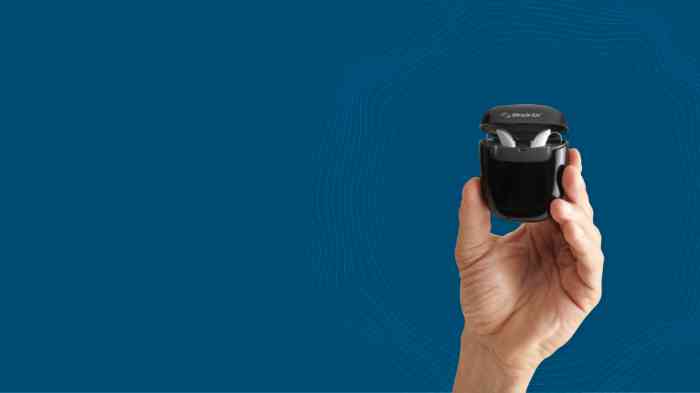
Hearing aid chargers have become an essential part of modern hearing technology. Most rechargeable hearing aids today rely on compact charging systems that make daily use easier, more convenient, and more sustainable. Instead of replacing disposable batteries, users simply place their devices into a charging dock overnight and start the day with a full charge.
Understanding how these chargers work—and how to travel with them or replace them—can help users get the most out of their hearing technology.
Hearing aid chargers are small docking stations designed to recharge rechargeable hearing aids. They work by transferring power through metal contacts or inductive charging systems, depending on the model.
Most chargers are built specifically for a brand or hearing aid series, ensuring:
Modern chargers are often portable and compact, making them easy to carry while travelling.
Choosing the right charger for hearing aids is mainly about ensuring full compatibility with the specific hearing aid model you use. Each device is designed to work with a dedicated charging system that matches its battery type, power requirements and charging technology, so using the correct charger is essential for both safety and performance.
Beyond compatibility, it can also be helpful to consider practical features such as portability, especially for travel, charging speed, and whether the charger includes clear indicators to show charging status. Some models are designed for home use, while others are more compact and travel-friendly, offering multiple charges without needing to be plugged in.
Selecting the appropriate charger helps maintain battery health over time and ensures your hearing aids are always ready when you need them.
Proper charging is essential for maintaining the performance of rechargeable hearing aids. Inconsistent or incorrect charging can reduce battery lifespan and affect daily usability.
Most manufacturers design their systems so that:
This makes modern hearing aid charging systems both safe and user-friendly.
Our experts will be able to understand your hearing difficulties and offer a solution that's most relevant to you.

A common question is whether hearing aid chargers are universal. In most cases, they are not. Each charger is typically designed for a specific:
This means a charger from one manufacturer will usually not work with another. Even within the same brand, different models may require different charging stations. Because of this, it is important to always use the original charger recommended by the manufacturer to ensure safety and performance.
Closely related to universality is interchangeability. In general, hearing aid chargers are not interchangeable between different models or brands. Even if a charger physically fits the device, it may:
Some newer ecosystems within the same brand may allow limited compatibility, but this is not standard across the industry.
Another frequent question is whether hearing aid chargers have lithium batteries. Most hearing aids themselves use lithium-ion rechargeable batteries, but the chargers usually do not contain large lithium batteries. Instead, they:
Portable chargers may include an internal rechargeable power bank, which can contain lithium-ion cells, allowing charging without direct access to electricity for a limited number of cycles.
Many users travelling internationally ask whether hearing aid chargers are dual voltage. Most modern chargers are designed to support a wide input range, typically:
This means they can usually be used in different countries with the appropriate plug adapter. However, it is always important to check the specific charger model, as compatibility may vary.
Yes, hearing aid chargers can go through airport security without issues. They are considered personal electronic devices and are generally allowed in both carry-on and checked luggage, although carry-on is strongly recommended.
Security officers may ask to inspect the device, especially if it includes cables or a portable power component. Keeping it easily accessible can help speed up the screening process.
In most cases, hearing aid chargers are allowed on planes and can be used without restrictions. Since hearing aids are essential medical devices, airlines and aviation authorities permit both the devices and their charging accessories onboard.
Portable chargers are especially useful during long flights, as they allow users to recharge hearing aids without relying on seat power outlets.