%20rs.png)

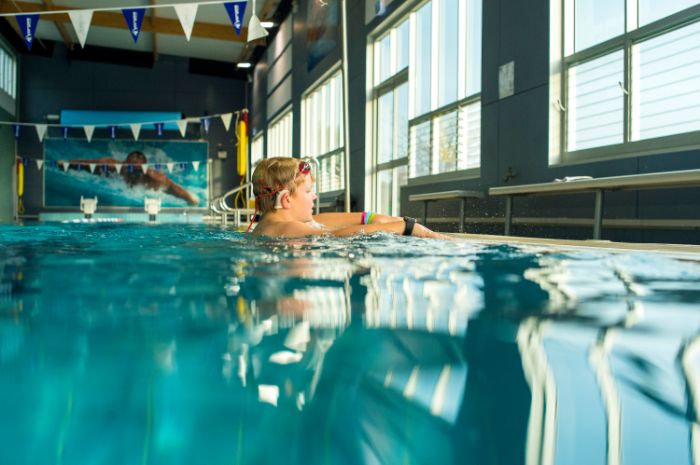
Swimming is one of the most enjoyable and healthy activities you can do — but it can also put your ears at risk. Water that lingers in the ear canal after a swim creates the perfect environment for bacteria to grow, potentially leading to a painful ear infection. Whether you're a casual swimmer or spend hours in the pool, understanding the connection between swimming and ear infections can help you protect your hearing health.
Yes, swimming is one of the most common triggers of outer ear infections. When water enters the ear canal and doesn't drain properly, it softens the delicate skin lining the canal and disrupts its natural protective barrier. This creates ideal conditions for bacteria or fungi to multiply, leading to infection.
It's worth noting that not every swimmer will develop an ear infection. Individual factors such as ear canal shape, skin condition and swimming habits all play a role. However, the risk increases significantly with frequent or prolonged water exposure, particularly in lakes, rivers or poorly maintained pools where bacterial counts tend to be higher.
Several factors can contribute to a swimming-related ear infection. While water exposure is the primary trigger, other elements can increase your vulnerability.
When you find it harder to react to auditory stimulus, it’s best to try our online hearing test and have a first answer on your hearing health in a couple of minutes.

Symptoms of a swimming-related ear infection typically develop within a day or two of water exposure and can range from mild to severe. The most common signs include:
If you notice any of these symptoms after swimming, it's important to avoid further water exposure and seek advice from a healthcare professional as soon as possible.
Ear pain after swimming is one of the most common complaints among swimmers of all ages. If your ear hurts after swimming, it's usually a sign that water has become trapped in the ear canal, softening the skin lining and creating the conditions for irritation or infection. The pain can range from a mild ache or sensitivity to sharp, intense discomfort that makes it difficult to touch or move the ear.
In some cases, a sore ear after swimming may also result from pressure changes caused by diving or jumping into the water, which can affect the eardrum. Mild discomfort often resolves within a few hours once the ear dries out, but if pain persists beyond 24 hours, worsens over time or is accompanied by discharge or hearing loss, it's important to seek professional advice promptly.
In the meantime, avoid inserting anything into the ear canal, refrain from further water exposure and gently tilt your head to encourage drainage.
If your ear is sore after swimming, there are a few simple steps that may help relieve discomfort while you wait to see a specialist. Tilt your head to the affected side and gently tug the earlobe to encourage any trapped water to drain.
You can also use a hairdryer on the lowest heat setting, held at a safe distance from the ear, to help evaporate residual moisture. Over-the-counter pain relievers such as ibuprofen or acetaminophen can help manage mild to moderate ear pain. A warm compress held gently against the outer ear may also provide some relief.


It's strongly advisable not to swim if you have an active ear infection. Continuing to expose an infected ear to water — whether in a pool, lake or the sea — can significantly worsen the infection and delay recovery. Water introduces additional bacteria, irritates already inflamed tissue and can interfere with any treatment you may have started, such as antibiotic ear drops.
Most hearing and medical professionals recommend staying out of the water until symptoms have fully resolved and you have been given the all-clear by a specialist. This typically takes around seven to ten days, depending on the severity of the infection.
If swimming is unavoidable — for example, for competitive athletes — custom-fit ear protection may offer some degree of barrier, but this should only be considered with professional guidance and should never replace proper treatment.

As part of the Amplifon Promise, you'll benefit from our hearing tests and our 90-day money back guarantee assures you of your peace of mind. Reach out for a hearing test and learn more about our hearing aids.
Even if you have started a course of antibiotics or antibiotic ear drops, it is still advisable to avoid swimming until your treatment is complete and symptoms have fully resolved. Antibiotics work to eliminate the infection, but they do not immediately restore the ear canal's protective barrier — meaning further water exposure can still irritate the area, introduce new bacteria and potentially prolong your recovery.
Always follow your healthcare provider's guidance and wait for explicit confirmation that it is safe to return to the water before doing so.
The good news is that most swimming-related ear infections are preventable with a few simple habits:
The term "swimmer's ear" is the common name for otitis externa — an infection of the outer ear canal. It earned this nickname because of how frequently it occurs in people who spend a lot of time in the water. Swimmers are particularly susceptible because repeated water exposure is one of the most effective ways to disrupt the ear canal's natural protective environment.
That said, you don't have to be a swimmer to develop it. Anyone whose ear canal is exposed to prolonged moisture — whether from bathing, humid environments or excessive sweating — can experience otitis externa. The name has simply stuck because swimming remains the most frequent trigger. To learn more about the condition, its diagnosis and treatment options, visit our dedicated swimmer's ear page.
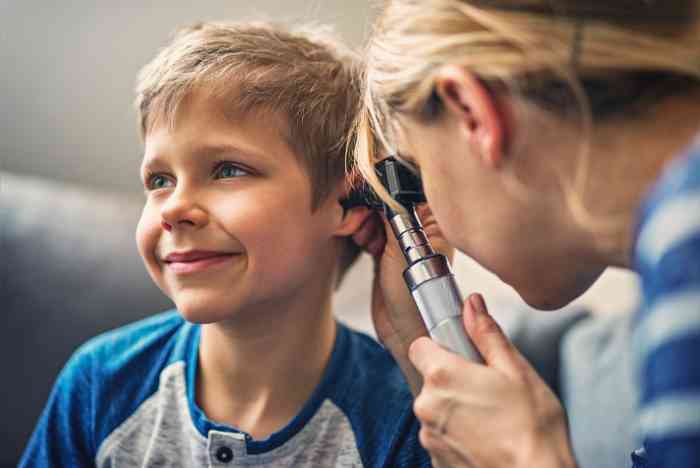
If you've been swimming recently and are experiencing ear pain, itching, muffled hearing or any discharge, don't wait for symptoms to worsen. At Amplifon, our hearing specialists can assess your ears, identify any infection or blockage, and recommend the right course of action for your situation.
Early attention to ear health makes a real difference. Book a complimentary hearing test at your nearest Amplifon clinic in Canada today.