%20rs.png)
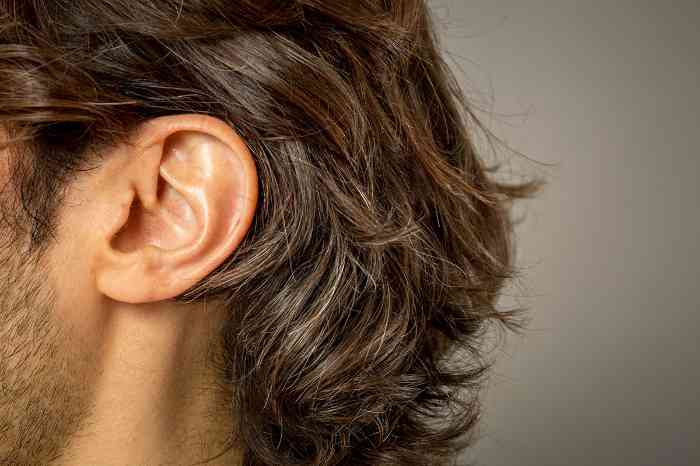
The human ear is a remarkable sensory organ that allows us to hear sounds, maintain balance and stay connected to the world around us. While many people think of the ear as the visible structure on the side of the head, hearing depends on a complex system of interconnected components working together.
Understanding the different parts of the ear can help individuals better appreciate how hearing works and why protecting ear health is so important throughout life.
The ear is divided into three main sections: the outer ear, the middle ear and the inner ear. Each area plays a specific role in capturing, transmitting and processing sound. Sound waves first enter the outer ear before traveling through the middle ear and ultimately reaching the inner ear, where they are converted into signals that the brain can interpret. Any disruption within this pathway can affect hearing ability and communication. Although each section has a distinct function, all parts work together to support healthy hearing and balance.

When you find it harder to react to auditory stimulus, it’s best to try our online hearing test and have a first answer on your hearing health in a couple of minutes.
The external portion of the ear consists of all structures that capture and channel sound toward the middle ear. Its unique shape helps individuals identify the direction from which sounds originate. This ability contributes to spatial awareness and helps people navigate complex listening environments. The ear canal also plays an important protective role. Earwax, produced naturally within the canal, helps trap dust and particles while keeping the skin healthy and lubricated. Maintaining good ear hygiene is important, but excessive cleaning should be avoided, as it can irritate the canal or push earwax deeper into the ear.
Beyond the structures visible from the outside, several important components are located deeper within the ear. Inside the ear, sound vibrations are amplified, transformed into electrical signals and transmitted to the brain. These structures include:
Each component contributes to the hearing process. If one part becomes damaged or diseased, sound transmission may be affected, resulting in temporary or permanent hearing difficulties.
The middle ear is an air-filled space located behind the eardrum. Its primary function is to transmit sound vibrations from the outer ear to the inner ear. One of the most fascinating aspects of ear anatomy is the presence of three tiny bones known as the auditory ossicles. These bones are the malleus (hammer), the incus (anvil) and the stapes (stirrup).
Many people wonder how many bones are found within the ear. The answer is three in each ear. Together, these bones form the smallest chain of bones in the human body. When sound waves reach the eardrum, the ossicles amplify the vibrations and transfer them toward the inner ear. This process is essential for efficient hearing, particularly when listening to softer sounds.

The inner ear contains some of the most sophisticated components of the hearing system. It is responsible not only for hearing but also for maintaining balance and spatial orientation. The two main structures of the inner ear are:
The cochlea is a spiral-shaped organ filled with fluid and sensory hair cells. As sound vibrations enter the cochlea, these specialized cells convert mechanical energy into electrical signals. These signals then travel along the auditory nerve to the brain, where they are interpreted as meaningful sounds such as speech, music, and environmental noises. The vestibular system works alongside the cochlea and helps the body maintain balance, posture and coordination during movement.

As part of the Amplifon Promise, you'll benefit from our hearing tests and our 60-day money back guarantee assures you of your peace of mind. Reach out for a hearing test and learn more about our hearing aids.
Learning the names of key ear structures can make it easier to understand hearing health and medical information. Some of the most important anatomical structures include:
Each structure plays a specialized role in helping us hear and interact with our environment.
Hearing is a multi-step process that relies on the coordinated function of every section of the ear. The journey begins when sound waves enter the outer ear. These sounds travel through the ear canal and cause the eardrum to vibrate. The middle ear bones then amplify those vibrations and transfer them to the cochlea. Within the cochlea, sensory cells transform the vibrations into electrical impulses. The auditory nerve carries these impulses to the brain, which identifies and interprets the sounds. This entire process occurs within fractions of a second, allowing people to respond quickly to conversations, music, alarms and other sounds in their environment.


Understanding how the ear works can help individuals recognize the importance of protecting their hearing throughout life. Exposure to excessive noise, untreated ear infections, age-related changes, and certain medical conditions can affect different parts of the hearing system. Regular hearing evaluations can help identify issues early and support long-term hearing health. By learning more about the anatomy of the ear and the role of its various structures, individuals can make informed decisions about hearing protection, hearing care, and overall well-being.
The ear is a highly specialized organ made up of many interconnected structures that work together to support hearing and balance. From the visible outer ear to the intricate sensory cells of the cochlea, each component contributes to the remarkable process of hearing. Understanding how these structures function can encourage proactive hearing care and help people recognize when professional support may be needed. Regular hearing checkups and healthy listening habits can play an important role in preserving hearing health for years to come.
The Amplifon blog is our place to explore ideas and themes of interest. For professional audiology advice, please contact your local clinic for a consultation.