%20rs.png)

In‑the‑Canal (ITC) hearing aids are small, custom‑made devices that fit partially inside the ear canal, making them more discreet than traditional in‑the‑ear models. Despite their compact size, ITC hearing aids contain all essential components, such as microphone, processor, amplifier, and speaker, within a single shell, offering clear, natural sound with reduced visibility. They are typically recommended for people with mild to moderate hearing loss and may include features such as directional microphones or Bluetooth, depending on the model.
ITC devices are one of the most used types of hearing aids. They are custom‑made on your ear canal anatomy. This personalized design helps them sit securely while keeping them more discreet than full‑shell models. Despite their compact size, many modern ITC hearing aids include directional microphones, digital sound processing, and noise‑management systems that automatically adjust to different listening environments.
Their placement inside the canal allows the ear’s natural anatomy to assist with sound localization, which often results in a more natural hearing experience. Depending on the brand, you may also find ITC hearing aids with Bluetooth, telecoil options, rechargeable batteries, and advanced features like feedback control or remote fine‑tuning through an app.
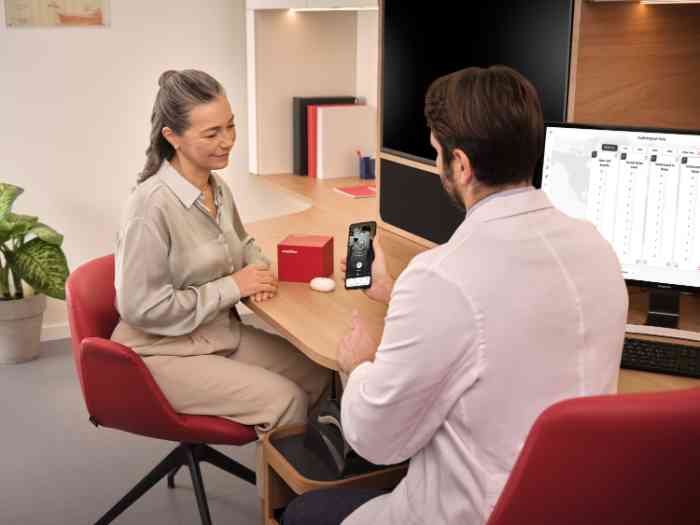


ITC hearing aids offer a mix of cosmetic discretion and practical everyday use. They sit partially in the ear canal, which helps balance visibility, comfort and functionality. Still, their compact size means there are benefits and limitations worth considering before choosing this style.
The key differences generally relate to:
Inserting ITC hearing aids is relatively straightforward. After washing your hands, you’ll align the device with your ear canal and gently rotate it into place until the faceplate sits flush with the outer ear. A proper fit should feel secure but comfortable. To remove the device, use the removal string or grip the edge of the faceplate and rotate outward. Your hearing care professional will guide you through this process during your fitting, ensuring the device is easy for you to handle at home.
Many modern ITC hearing aids with Bluetooth allow you to stream phone calls, music, and TV audio directly from your devices. They also connect with mobile apps for volume adjustments, environmental programs, and remote support appointments. Because Bluetooth can increase power consumption, pairing this technology with an ITC rechargeable hearing aid can offer a more convenient daily routine.
Not all ITC models include Bluetooth (very compact designs may not have space for an antenna) so it’s important to discuss connectivity needs with your hearing care professional.
A wide range of leading manufacturers contribute to what are considered the best ITC hearing aids of 2025, each offering their own strengths in sound processing, comfort, and connectivity. Brands such as ReSound, Signia, Starkey, Oticon, Phonak, and Jabra continue to refine their ITC options, offering models with improved speech clarity, advanced noise reduction, and seamless wireless streaming. The “best” ITC hearing aid depends heavily on your hearing test results, ear anatomy, budget, and everyday listening environments.
When choosing ITC hearing aids, consider factors such as sound quality in noise, Bluetooth stability, battery life, comfort, and the availability of remote adjustments. A personalized consultation with a hearing professional remains the most reliable way to determine which model suits your needs.
If you want to understand your level of hearing loss, you can book a free hearing test.