%20rs.png)

Modern advances in technology have improved the quality of life for those with hearing issues. If you have found that you or a loved one are becoming hard of hearing, there is a possibility that you may need a cochlear implant.
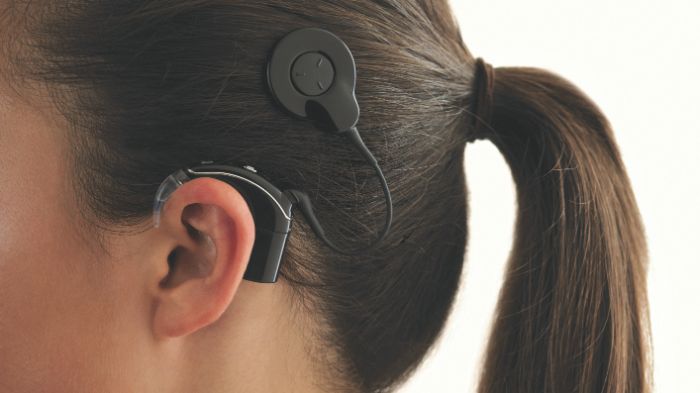
A cochlear implant is a small device placed in the inner ear, also known as the cochlea. The implant uses a device that processes sound, which fits behind the ear. The sound is processed from the implant inside of the ear to the receiver. When the signal is sent to the inner ear, it stimulates the auditory nerve. This nerve tells the brain to interpret signals as sounds.
Cochlear implant surgery should be carefully considered. Though this procedure involves placing a small device in the inner ear, it is still surgery. A successful cochlear implant procedure requires a period of therapy, time, and training after surgery.
If you’re considering cochlear implant surgery, then there are some other questions you might ask yourself before moving forward:
Most people notice a significant improvement once the cochlear implant is turned on, typically 4 to 6 weeks after surgery. At this point in recovery, speech and understanding begin improving. Most people notice an exceptional improvement in the first 6 months. Please note that results vary for each person.
Many people who meet the hearing criteria for cochlear implantation may eventually get clearer hearing with using the device. Although ear noise (tinnitus) isn't a primary reason to receive a cochlear implant, the implant may partially suppress or improve the severity of tinnitus during use.
Thanks to modern technological advancements, there are now hearing aids designed specifically for tinnitus. These hearing aids have a tinnitus relief mechanism, which decreases the ringing sound by producing static or ocean noises.
Digital hearing aids are customized to fit your specific type of hearing loss and tinnitus. These hearing aids can also help change the volume of external noises and the auditory stimulation the brain receives. This is great for those who have difficulty communicating and participating in social events.
Based on the difference between a cochlear implant and hearing aids for tinnitus, you can better decide which would benefit you most. It is always advisable that you consult an expert to receive the best advise. Reach out to our team of experts. You can schedule an appointment at a clinic near you.
The Amplifon blog is our place to explore ideas and themes of interest. For professional audiology advice, please contact your local clinic for a consultation.