%20rs.png)

Hearing aids are built to last, but not forever. Knowing when to replace yours can protect your hearing health and quality of life. From poor sound quality to outdated technology, there are clear signs that it may be time to upgrade your devices.
Most hearing aids are designed to last between three and seven years. Factors that affect lifespan include the type of hearing aid (behind-the-ear models tend to last longer than in-canal styles, as their electronics are housed in a more protected casing), how frequently the device is worn, how well it is cleaned and maintained, and how much it is exposed to moisture, earwax, and daily wear.
Many hearing care professionals consider the five-year mark a practical point to begin reassessing your devices, even if they still appear to be working. Internal components gradually wear down over time, which can affect sound quality before you notice any obvious malfunction.
There are several clear indicators that your hearing aids may need replacing rather than repairing. Poor or distorted sound quality is one of the most common — if voices sound muffled, the volume is no longer sufficient, or the sound cuts in and out despite troubleshooting, your device may be wearing out.
Frequent repairs are another strong signal: if you find yourself returning to the clinic regularly for fixes, replacing your hearing aids is often more cost-effective in the long run. Physical damage such as cracked casings, broken battery doors or damaged receivers can also affect performance in ways that cannot always be repaired.
Finally, if your hearing has changed significantly and your current devices can no longer provide adequate amplification, an upgrade is almost certainly needed.
Even if your hearing aids still function physically, advances in hearing aid technology move quickly. Today's devices offer features that were not available even a few years ago — including Bluetooth streaming, rechargeable batteries, AI-powered sound processing, and more discreet designs.
If your hearing aids are more than four or five years old, a newer model could offer meaningfully better hearing clarity, comfort, and connectivity. A change in lifestyle — such as a new job, retirement, or taking up new hobbies — can also make it worth reassessing whether your current devices still meet your everyday needs.
Whether your hearing aids use disposable zinc-air batteries or a rechargeable system, knowing when to replace or recharge them is essential for consistent performance. Disposable batteries typically last between 3 and 22 days depending on battery size, hearing aid model, and how much streaming you do.
The most common signs that your batteries need replacing are: distorted or fading sound, increased volume needed, and the low-battery warning from your device.
Battery sizes are colour-coded: size 10 (yellow) lasts approximately 3–7 days; size 312 (brown) lasts 3–10 days; size 13 (orange) lasts 6–14 days; and size 675 (blue) lasts up to 20 days.
A practical tip: after removing the adhesive tab from a new zinc-air battery, wait five minutes before inserting it to allow it to fully activate, which can help extend battery life.
Rechargeable hearing aids use built-in lithium-ion batteries that typically provide 24 to 30 hours of use on a full charge, with charging taking approximately 3 to 5 hours. Unlike disposable batteries, these do not need to be replaced daily — however, over time (usually after one to five years), rechargeable batteries can lose capacity and hold a charge for fewer hours.
Signs that your rechargeable battery may be degrading include: shorter use time between charges, the hearing aid dying before the end of the day, and distorted sound towards the end of the battery cycle.
If your rechargeable hearing aids are consistently underperforming, speak with your hearing care professional — in some cases the battery can be replaced; in others, upgrading the device is the better solution.
Not every issue with your hearing aids means they need to be replaced. Minor problems — such as weak sound, a loose battery door, or a blocked microphone — can often be resolved with a repair or professional clean. Repair is usually the right choice when your devices are relatively new, still under warranty, and the issue is isolated.
However, replacement is worth considering when your hearing aids are more than five years old; when repair costs approach or exceed the value of the device; when the same problem keeps recurring; or when your hearing has changed and your current devices no longer provide adequate support.
Your hearing care professional can assess your devices and help you decide whether a repair or an upgrade is the right next step.
Hearing aid domes are small silicone tips that sit in the ear canal and direct sound from the receiver into the ear. They are one of the most frequently replaced components because they come into regular contact with earwax and moisture.
Domes should typically be replaced every one to three months, but this can vary depending on how much earwax you produce and how often you wear your hearing aids. Signs that it is time to replace your domes include: reduced sound clarity or volume; visible earwax buildup; a dome that no longer fits securely; or any cracking, tearing, or deformation.
Replacing domes regularly is one of the simplest ways to maintain consistent sound quality and keep your hearing aids hygienic. Your hearing care professional can recommend the right dome size and style for your ear canal and hearing aid model.
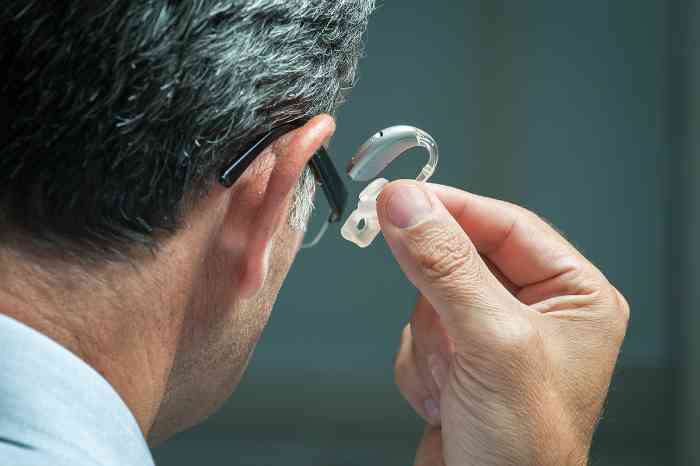
The ear hook (also called an earhook or sound tube) is the curved plastic component that connects a behind-the-ear (BTE) hearing aid to the ear mould or tubing. It plays an important role in directing sound into the ear canal.
Ear hooks typically need replacing every six to twelve months, though this depends on how frequently the hearing aid is worn and how the device is handled. Over time, ear hooks can become brittle, discoloured, or cracked due to exposure to body heat, perspiration, and daily use.
Signs that your ear hook may need replacing include: visible cracks or breaks; a loose connection; whistling or feedback that was not present before; or reduced sound quality that cannot be resolved by cleaning alone. If you notice any of these signs, contact your hearing care professional for a replacement.
An earmold is a custom-made piece that fits inside the ear canal and connects to a behind-the-ear hearing aid via tubing. Because earmolds are shaped to fit your specific ear anatomy, they play a key role in both comfort and sound delivery.
Unlike domes, earmolds are not replaced as frequently, but they do need attention over time. Most earmolds last between two and five years, depending on the material, how well they are maintained, and any changes in the shape of your ear canal. Children and young people may need new earmolds more often because their ear canals continue to grow.
Signs that your earmold needs replacing include: a poor fit that causes the hearing aid to feel loose or fall out; persistent feedback or whistling; visible damage such as cracks, hardening, or discolouration; or an earmold that feels uncomfortable after years of use. Speak with your hearing care professional if you notice any of these changes.
Hearing aid filters (also known as wax guards or cerumen filters) are small components placed at the opening of the speaker or receiver to prevent earwax and debris from entering the hearing aid. They are an essential protective element that helps extend the life of your device.
Filters should typically be replaced every one to two months, though the frequency depends on how much earwax you produce. High earwax producers may need to change them more often. Signs that a filter needs replacing include: muffled or reduced sound; a complete loss of sound not caused by the battery; or visible wax buildup on the filter.
Replacing filters is a quick and straightforward task that can usually be done at home using the provided tool. Your hearing care professional can show you how to change them correctly and advise on the right filter type for your model.
The receiver (also called a speaker or loudspeaker) is the component responsible for converting the amplified signal into sound and delivering it into your ear canal. In RIC or RITE hearing aids, the receiver sits directly in the ear canal, making it especially vulnerable to moisture and earwax damage.
Receivers generally last between one and two years, though this varies depending on earwax levels, moisture exposure, and general care. Signs that your receiver may need replacing include: distorted or muffled sound; intermittent or complete sound loss not resolved by changing the filter or battery; or physical damage to the receiver wire.
Because the receiver is an internal component, replacement should be carried out by a hearing care professional. Your specialist can assess the issue and replace it if needed.