%20rs.png)

Bone conduction hearing technology offers an alternative solution for people who cannot benefit from traditional hearing aids. One of the most well-known systems is the BAHA hearing aid, a device designed to transmit sound through the bones of the skull directly to the inner ear.
Unlike conventional hearing aids that amplify sound through the ear canal, BAHA devices bypass damaged parts of the outer or middle ear. This approach can help individuals with certain types of hearing loss experience clearer sound and improved speech understanding.
Today, bone anchored hearing aids are widely used for conditions such as conductive hearing loss, mixed hearing loss and single-sided deafness.

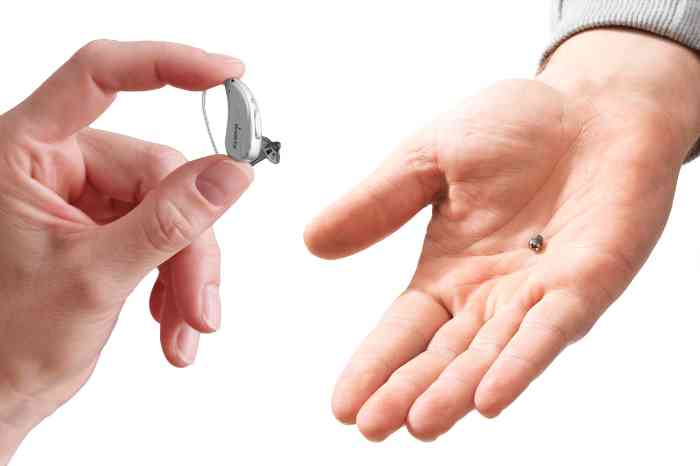

A BAHA hearing aid (short for Bone Anchored Hearing Aid) is a type of bone conduction hearing device that transmits sound vibrations through the skull directly to the inner ear.
Instead of sending sound through the ear canal, the device captures sound using a microphone and converts it into vibrations. These vibrations travel through the bone and stimulate the cochlea, allowing the brain to perceive sound. This technology can be helpful for people who cannot wear or benefit from traditional air-conduction hearing aids.
There are several types of BAHA systems available today. The best option depends on the individual’s hearing needs and medical evaluation.
Implantable BAHA systems involve a small titanium implant placed in the bone behind the ear during a surgical procedure. A sound processor attaches to this implant and transmits sound vibrations through the skull.
These devices are commonly recommended for people with conductive hearing loss, mixed hearing loss or single-sided deafness.
Non-surgical options are also available. A BAHA softband hearing aid or headband holds the sound processor against the skull so that vibrations can travel through the bone. These systems are often used for:
Bone anchored hearing devices may be recommended for people with specific hearing conditions, including:
A hearing care professional can determine whether a BAHA device is an appropriate option.
For implantable systems, a minor surgical procedure is required to place the implant in the bone behind the ear. During the procedure:
BAHA surgery is generally considered safe, but a hearing specialist will evaluate each patient individually before recommending the procedure.
Like any hearing technology, BAHA devices have both advantages and limitations:
BAHA hearind devices can:
A professional hearing evaluation is essential to determine whether BAHA technology is the right solution.
BAHA devices and cochlear implants are both implantable hearing technologies, but they serve different purposes. A BAHA hearing aid transmits sound vibrations through bone conduction to the inner ear, making it suitable for people whose cochlea still functions. A cochlear implant, on the other hand, bypasses the inner ear entirely and directly stimulates the auditory nerve. It is typically recommended for people with severe or profound sensorineural hearing loss. A specialist can determine which solution may be appropriate based on the type and severity of hearing loss.
A BAHA hearing system typically consists of several components that work together to deliver sound through bone conduction. Common parts include:
Additional accessories may include headbands, softbands, and other devices designed to improve comfort and usability.
Reviews of BAHA hearing aids are generally positive, particularly among people with conductive hearing loss, mixed hearing loss, or single-sided deafness. Many users report clearer sound quality and improved speech understanding, especially in one-to-one conversations. Because BAHA devices transmit sound through bone conduction rather than the ear canal, they can be more comfortable for individuals who cannot wear traditional hearing aids due to chronic ear infections or structural ear conditions. However, some reviews mention an adjustment period when first using the device and performance may vary depending on the listening environment, particularly in noisy settings. Overall, most user experiences suggest that BAHA technology can significantly improve communication and quality of life for the right candidates.