Man wearing hearing aids

Hearing ads for ears ringing (tinnitus)

Tinnitus, the perception of ringing, buzzing or hissing that has no outside source, often goes hand in hand with hearing loss. That’s why many people wonder whether a hearing aid can bring relief. This guide explains how hearing aids for ringing in ears work, who may benefit, and when to speak to a hearing care professional.

Do hearing aids help with tinnitus?

For many people, yes. Hearing aids don’t cure tinnitus, but they can make it less noticeable and easier to live with, especially when tinnitus comes with hearing loss. Research suggests that a large share of people with tinnitus also have some degree of hearing loss, which is why a hearing test is the first step. The effect varies from person to person: some notice a clear improvement, others a smaller one, and some none at all.

Why hearing loss and tinnitus often go together

When the inner ear receives less sound than it should, the brain can compensate by turning up its own activity, and this may be perceived as ringing or buzzing. Tinnitus can also be linked to noise exposure, earwax buildup, ear infections, certain medications, stress or other health conditions. That is why identifying the cause matters before choosing a solution.

Woman touching her ear

What is tinnitus?

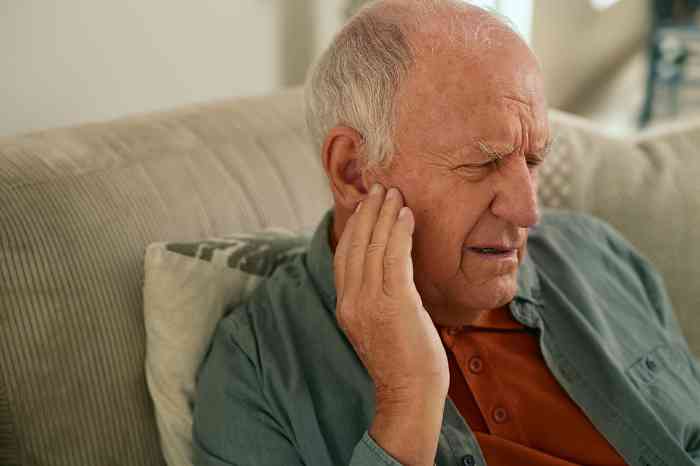
Tinnitus is the perception of sound in the ears or head not caused by an external sound source. Ringing and buzzing sounds may be heard in one or both ears or appear to be generally in the head region but can be variable and difficult to decide exactly where it seems to be.

Tinnitus without hearing loss

Can a hearing aid help?

Tinnitus can occur with normal or near-normal hearing, but in that case hearing aids are less likely to be the answer. Some people benefit from sound therapy or counselling instead. A hearing test will show whether your hearing is within normal limits and which option makes more sense for you.

How do hearing aids help tinnitus?

Hearing aids help in a few complementary ways:

  • They amplify the sounds around you. When you hear everyday sounds better, tinnitus stands out less against them.
  • They reduce the effort of listening. Straining to follow conversations can make tinnitus feel louder, so clearer speech often means less stress.
  • They give the brain something else to focus on. A richer soundscape can shift attention away from the ringing.

Sound therapy features

Many modern hearing aids include a tinnitus support program, which plays soft, customizable sounds such as gentle noise or nature-like tones. Used together with amplification, they can make the ringing less intrusive, especially in quiet places and at bedtime. Your hearing care professional can set up and adjust these programs for you.

Tinnitus masking device vs. hearing aid

A tinnitus masking device produces a constant, soft sound that partially covers the tinnitus. It can help some people, particularly when hearing is normal. When there is also hearing loss, a hearing aid with built-in sound support offers both amplification and masking in one device. Which one suits you depends on your hearing test and how tinnitus affects your daily life.
Woman on the couch
Prevention is key

Find out, with the help of our experts, how to prevent ear problems like morning tinnitus.

Come visit us

What causes pulsatile tinnitus?

Hearing aids for ringing in ears are most likely to help if:

  • You have a measurable hearing loss along with tinnitus
  • Tinnitus is more bothersome in quiet environments
  • You struggle to follow conversations, especially in noise
  • Tinnitus affects your concentration, sleep or mood

When they may not be enough

If tinnitus is severe or very distressing, hearing aids are usually only one part of the plan. Counselling, relaxation techniques and structured tinnitus management programs can be combined with them. If tinnitus is caused by a medical condition, that condition needs to be treated first. Your doctor or audiologist can guide you.
Amplifon Audiologist talking with her clients

Our clinics in Canada

Providing local hearing solutions and support across a network of over 130 clinics across Canada. If you’re experiencing hearing difficulties, you won’t be far away from one of our stores where you can find expert help and advice from qualified hearing care professionals.

Hearing aid and tinnitus: what to expect

Hearing aid and tinnitus management is a gradual process, not an instant fix.

  1. Hearing assessment: A hearing care professional tests your hearing and asks about your tinnitus: pitch, loudness, when it appears and how it affects you.
  2. Personalized fitting: The devices are programmed for your hearing loss, and a tinnitus program can be added if suitable.
  3. Adjustment period: Your brain needs time to get used to hearing more sounds. Wear the devices regularly, as advised.
  4. Follow-up: Your settings can be fine-tuned over time based on how you feel.

Tips for the first weeks

  • Wear your hearing aids consistently, starting in quiet places and gradually moving to busier ones
  • Avoid total silence, especially at night: soft background sound can help
  • Note when tinnitus feels better or worse and share this at follow-up visits
  • Protect your ears from loud noise
Find your nearest hearing clinic today.

Other ways to manage tinnitus

Hearing aids can be combined with other approaches, depending on your needs:

  • Sound therapy with soft background sound
  • Counselling or cognitive behavioural therapy to reduce the distress tinnitus can cause
  • Relaxation and stress management, since stress can make tinnitus feel louder
  • Healthy sleep habits, with a quiet, comfortable bedroom and a soft sound source if needed

When to see a professional

AUdiologist checking patient's ear

Book a hearing test if you have tinnitus that lasts more than a few days, comes with hearing difficulties or affects your daily life. See a doctor promptly if:

  • Tinnitus appears suddenly, especially with sudden hearing loss
  • It affects only one ear
  • It pulses in time with your heartbeat
  • It comes with dizziness, ear pain, discharge or facial weakness
  • It follows a head injury or exposure to a very loud noise

A hearing care professional can assess your hearing, explain your options and help you find a solution suited to your lifestyle.

Get support and advice

Request a hearing test

Schedule an apppointment

Request now

Test your hearing online

Get your results online

Take the test

Find your nearest hearing clinic

Visit the branch locator

Find a clinic