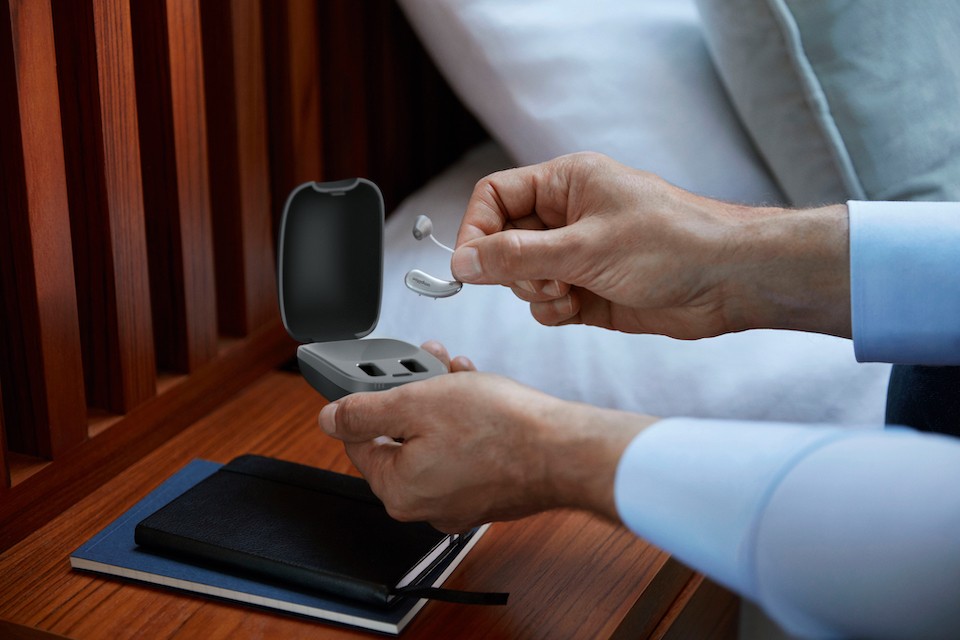
Hearing aid repair: Services & Costs

Understanding Hearing Aid Repair: Causes, Troubleshooting and Servicing

Hearing aids are sophisticated devices that may experience performance issues over time due to moisture, earwax, or daily wear. Understanding common problems and knowing when to seek professional hearing aid repair can help keep your devices working at their best.

Common Hearing Aid Repair Needs and Issues

Hearing aids may experience issues due to regular wear, environmental exposure, or accidental damage.

Frequent problems include:

  • Reduced or distorted sound quality, often resulting from clogged microphones, worn receivers, or internal component deterioration.
  • Intermittent functionality, which can be associated with moisture accumulation, loose connections, or aging circuitry.
  • Complete loss of sound, potentially caused by depleted batteries, debris obstructing the sound path, or internal faults.
  • Feedback or whistling, commonly linked to an improper device fit, cracked tubing, or microphone sensitivity.
  • Visible physical damage, such as cracks, broken battery doors, or structural misalignment following a fall.
Book an Appointment Book Now

When to Seek Professional Hearing Aid Repair Services

Some minor issues can be addressed at home, but certain problems require the attention of a hearing care professional. Persistent malfunctions—such as devices failing to turn on, distorted or inconsistent sound, connectivity problems, visible physical damage, moisture exposure, or discomfort caused by changes in fit—indicate the need for expert evaluation. Seeking professional repair ensures your hearing aid continues to perform optimally and prevents further damage that could affect its longevity.

What Professional Hearing Aid Repair Services include

Professional hearing aid repair services address both functional and cosmetic issues. Skilled audiologists and technicians can clean, calibrate, and adjust devices to restore optimal performance. Repairs may include replacing worn components, correcting wiring or battery issues, hearing aid tube replacement, and treating damage caused by moisture or impact. Many clinics also offer comprehensive maintenance programs, including routine check-ups and preventive care, to extend the device’s lifespan and maintain consistent sound quality.

Discover all the devices in our clinics

Hearing Aid Servicing at Home: Safe Troubleshooting Tips

It is important to note that attempting repairs on your own is not recommended; having your hearing aids checked by a professional is always the wisest choice. Minor checks, however, can be carried out safely to identify simple issues before seeking expert assistance:

  • Verify the battery or recharge level: Ensure batteries are properly inserted or rechargeable devices are fully charged.
  • Inspect the ear tip or dome: Gently clean or replace the dome to remove earwax without invasive methods.
  • Examine the microphone and receiver openings: Remove surface dust with a soft, dry brush supplied with most devices.
  • Check the volume and program settings: Confirm that volume, program selection, and connectivity settings are correct.
  • Confirm Bluetooth or app connectivity: Restart the device or smartphone to restore wireless connections.

While these steps may resolve minor issues, any internal or technical problems should always be addressed by a hearing care professional.

Hearing Aid Repair Cost

The cost of repairing a hearing aid can vary depending on the type of device, the nature of the damage, and the complexity of the repair required. For devices outside their warranty period, customers are typically responsible only for replacing specific components, while routine maintenance and adjustments may still be included in service plans. Some repairs may involve replacing tubing, microphones, or other internal parts, and the complexity of these procedures can influence the overall cost. Many hearing care providers also offer flexible financing options and service packages, making professional repair and ongoing care more accessible. 

Two women laughing looking at their smartphone

Amplifon customer experiences: stories and reviews

Discover our customer stories and their reviews, the reasons why they have chosen Amplifon.

Hearing Aid Repair vs. Replacement: Making the Right Choice

When deciding between repairing or replacing a hearing aid, consider the following factors:

  • Age of the Device: Older hearing aids may lack the latest technology and features, making replacement more beneficial in the long term.
  • Extent of Damage: Minor issues, such as battery or tubing problems, are typically cost-effective to repair, whereas extensive internal damage may justify replacement.
  • Performance and Reliability: If the device frequently malfunctions or requires repeated repairs, replacement can provide more consistent and reliable hearing support.
  • Warranty Coverage: Repairs covered under warranty may influence the decision, reducing the immediate cost of fixing the device.
  • Technological Advancements: Replacing an older hearing aid may offer improved sound quality, connectivity options, and comfort.

Best Practices for Preventive Hearing Aid Repair

Proper care can reduce the need for repairs. Regular preventive measures include:

  • Daily cleaning: Remove earwax and debris using manufacturer-recommended tools to maintain optimal performance.
  • Safe storage and moisture protection: Store devices in protective cases and consider using dehumidifiers to prevent damage from moisture.
  • Proper handling and maintenance: Avoid drops, exposure to extreme temperatures, and other hazards that could harm the devices.
  • Regular professional check-ups or hearing aid servicing: Schedule periodic visits with a hearing care professional to address minor issues before they escalate.
Find out more in our clinics.

Learn More About Hearing Aid Repair at Amplifon

For a thorough evaluation of your hearing aids, professional repair, or preventive servicing, visiting an Amplifon clinic is the best option. Our experienced audiologists and technicians can assess your device, identify any issues, and provide expert solutions tailored to your needs. Schedule an appointment at your nearest Amplifon clinic to ensure your hearing aids perform optimally and continue to support your hearing health effectively.

Frequently Asked Questions about Hearing Aid Repair

How long does professional HA repair take?

Repair times vary depending on the issue. Minor repairs may be completed the same day, while more complex repairs could take several days to a week.

Repair or replace an older hearing aid?

The decision depends on the age of the device, frequency of repairs, and availability of newer technology. A hearing care professional can help determine the most cost-effective option.

Can I repair my hearing aids at home?

Minor troubleshooting, like checking batteries or cleaning wax guards, can be done safely, but any internal or technical repairs should always be handled professionally.

How often should HA be professionally serviced?

It is recommended to have your hearing aids checked at least once a year, or sooner if you notice a decrease in performance, unusual sounds, or physical damage.

Get support and advice

Request a hearing test

Schedule an apppointment

Request now

Test your hearing online

Get your results online

Take the test

Find your nearest hearing clinic

Visit the branch locator

Find a clinic