%20rs.png)
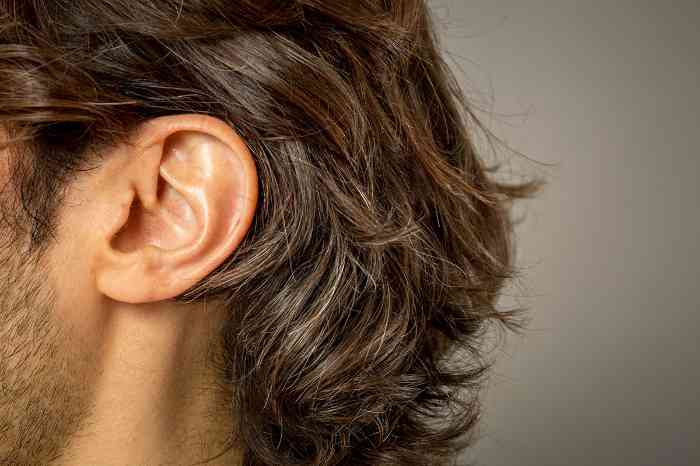
Ear barotrauma, also known as airplane ear, refers to damage or irritation in the ear caused by sudden or significant changes in pressure between the middle ear and the external environment. The middle ear normally equalizes pressure through the Eustachian tube, allowing air to move in and out. When this process does not work properly, pressure can push against the eardrum and surrounding tissues. This condition most commonly affects the middle ear rather than the inner ear. Although ear barotrauma can be uncomfortable, it is usually temporary and resolves once pressure equalizes.
Ear barotrauma happens when the pressure outside the ear changes faster than the body can adapt. This prevents the Eustachian tube from balancing pressure in the middle ear. Common causes include:
When the Eustachian tube is blocked or inflamed, it becomes harder for the ear to adjust to pressure changes, increasing the risk of ear barotrauma.
One of the most common situations where ear barotrauma occurs is during air travel. During airplane descent, cabin pressure changes quickly, which can cause pressure differences between the middle ear and the surrounding air. This condition can cause symptoms such as ear pain, pressure or muffled hearing. Children and people with colds, sinus infections, or allergies may be more likely to experience ear barotrauma while flying.
Simple actions like swallowing, yawning, or chewing gum can help the ears equalize pressure during flights.

When you find it harder to react to auditory stimulus, it’s best to try our online hearing test and have a first answer on your hearing health in a couple of minutes.
Symptoms of ear barotrauma can vary depending on how severe the pressure imbalance is. Mild cases may only cause temporary discomfort, while more significant pressure changes can cause stronger symptoms. Common ear barotrauma symptoms include:
Symptoms usually appear during or shortly after activities involving pressure changes, such as flying or diving.
Treatment for ear barotrauma depends on how severe the symptoms are. Mild cases often improve on their own once pressure normalizes. Common ear barotrauma treatments include:
Doctors may recommend additional treatments if symptoms persist or if there is inflammation or infection in the middle ear.
Several simple techniques may help relieve pressure and discomfort from mild ear barotrauma. Helpful ear barotrauma remedies include:
These techniques help the Eustachian tube open and restore normal pressure in the middle ear.
If symptoms do not improve, medical treatment may be necessary. Doctors may prescribe medications to reduce inflammation or treat infection. Possible treatments include:
In rare cases, a minor procedure may be performed to relieve pressure in the middle ear.
The duration of ear barotrauma depends on the severity of the pressure imbalance. Mild cases often improve within a few hours or days. Typical ear barotrauma recovery time may include:
If symptoms last longer than a week or worsen over time, it is advisable to consult a healthcare professional.
Preventing ear barotrauma involves helping the ears adjust to pressure changes more easily. Some effective ways to prevent ear barotrauma include:
Taking these precautions can significantly reduce the risk of pressure-related ear injuries.
Flying with ear barotrauma may be uncomfortable, especially if symptoms are still present. In mild cases, flying may still be possible with proper precautions.
However, if there is severe pain, significant hearing loss or suspected eardrum injury, it is usually best to postpone air travel until the ear has healed.
Using decongestants or pressure-equalizing techniques can sometimes help reduce discomfort during flights.
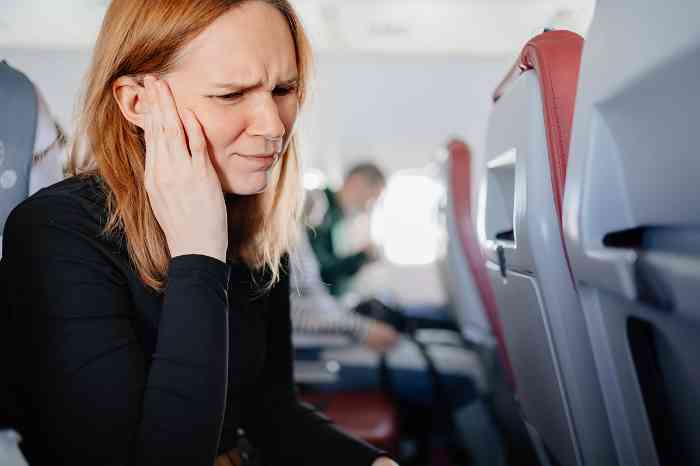
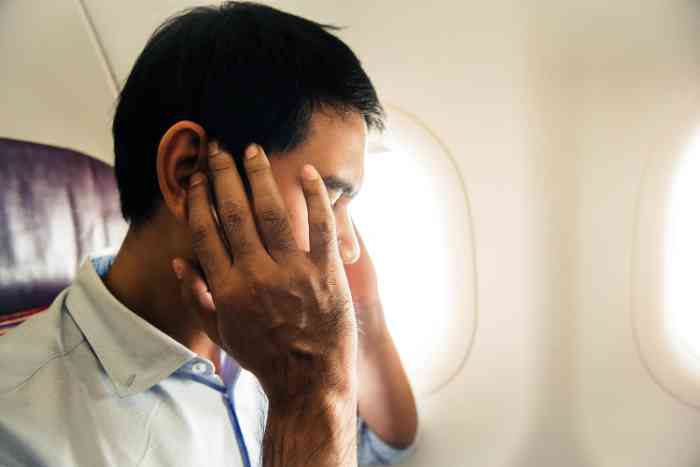
Ear barotrauma most commonly affects the middle ear, where pressure differences push against the eardrum. This condition is known as middle ear barotrauma and usually resolves without permanent damage.
In rare situations, pressure changes can affect the inner ear, which controls balance and hearing. Inner ear barotrauma may cause symptoms such as severe dizziness, vertigo or hearing loss and typically requires medical evaluation.
Understanding the difference between these types helps doctors determine the most appropriate treatment..
If you experience severe pain, persistent hearing changes, dizziness, or breathing difficulties after a rapid pressure change, remember that barotrauma requires medical attention. Consult a healthcare professional, as an ENT specialist can evaluate any damage to your ears or sinuses and recommend appropriate treatment or preventive strategies. Prompt intervention can prevent long-term complications and help keep your ears healthy.