How to unclog your ears

Learn how to unclog a stopped up ear

How to unclog a stopped up ear?

The best way to unclog a stopped-up ear depends largely on what’s causing the blockage. While it may feel the same, a sensation of fullness, muffled hearing, or pressure,  the underlying reasons can vary widely, from a simple buildup of earwax to changes in air pressure, or even an ear or sinus infection. Because each cause requires a different approach, it’s important to first consider what might be behind your symptoms.

In the following paragraphs, we’ll explain specific remedies for each case, so you can find the most effective solution based on your situation.

What causes clogged ears​?

There are several possible causes behind the feeling of a clogged or muffled ear, and identifying the source is key to choosing the right treatment. One of the most common reasons is a buildup of mucus or phlegm in the Eustachian tube, often triggered by a cold, allergies, or sinus congestion. Another frequent cause is water trapped in the ear, which can happen after swimming or showering.

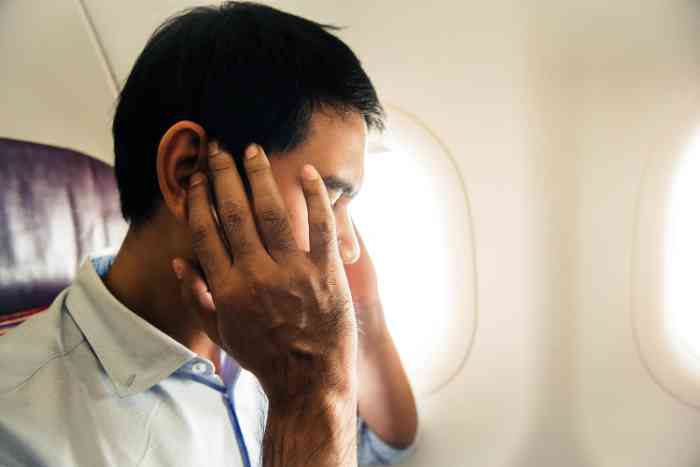
Changes in altitude, such as during air travel or mountain driving, can also affect pressure in the middle ear, leading to a temporary blocked sensation. Additionally, sinus infections, middle ear infections, and seasonal allergies can all contribute to the problem by causing inflammation or fluid buildup.

While both adults and children can be affected, clogged ears tend to occur more frequently in children, particularly when they’re experiencing a cold or upper respiratory infection. Understanding what’s behind the blockage is the first step toward effective relief — and that’s what we’ll explore next.

Hearing test online

When you find it harder to react to auditory stimulus, it’s best to try our online hearing test and have a first answer on your hearing health in a couple of minutes.

Start the test
A man performing a hearing test

How to unclog ears from congestion?

Congestion-related ear blockages are particularly common during colds, sinus infections, or allergy flare-ups. When the Eustachian tubes, the small canals that connect the middle ear to the back of the nose, become inflamed or filled with mucus, they can no longer equalize pressure effectively. This leads to a sensation of fullness, muffled hearing, or even mild pain. To relieve the blokage you can: 

  • Stay well-hydrated: Drinking plenty of fluids helps thin mucus, making it easier for the Eustachian tubes to drain.
  • Use saline nasal rinses: A neti pot or saline spray can flush out irritants and reduce nasal swelling.
  • Inhale steam: Breathing in warm, moist air (from a bowl of hot water or a steamy shower) can loosen mucus and relieve pressure.
  • Try a nasal decongestant: Over-the-counter sprays or oral decongestants may reduce swelling in the nasal passages, but should be used for no more than 3 days to avoid rebound congestion.
  • Apply a warm compress: Placing a warm cloth over the affected ear or sinuses can improve circulation and ease discomfort.

How long does nasal spray take to unclog ears?

Nasal sprays, especially decongestant sprays, can begin to relieve ear congestion within 15 to 30 minutes after use, depending on the severity of the blockage and the underlying cause. Relief may be gradual if the congestion is due to a cold, allergies, or sinus infection. If symptoms persist after 3 days of using a decongestant spray, or if you experience pain, fever, or hearing loss, consult a healthcare provider. 
People together

Quick tips to pretect your hearing

Hearing loss prevention is the best way to protect your hearing. Find out how to prevent hearing loss and help your loved ones to do the same.

How to unclog ears when one is sick?

When you're sick with a cold, flu, or sinus infection, your body produces more mucus, and inflammation can block the Eustachian tubes. This is a common cause of ear congestion during illness. To relieve symptoms you can:

  • Treat the underlying illness: Managing your cold or flu with rest, fluids, and medications will help reduce overall inflammation.
  •  Use a humidifier: Moist air soothes irritated nasal passages and helps open the Eustachian tubes.
  •  Perform nasal irrigation: Rinsing your sinuses with saline can clear mucus and reduce pressure. 
  • Take antihistamines or decongestants: These can reduce swelling in the nasal passages and improve drainage from the ears.
  • Avoid flying or diving: Pressure changes can worsen symptoms when you're congested.
  • Elevate your head while resting: This promotes sinus drainage and reduces pressure buildup.

How to unclog your ear from wax?

Earwax (cerumen) is a natural substance that protects and lubricates the ear canal. However, when it builds up excessively or becomes impacted, it can block the ear canal and cause muffled hearing, a feeling of fullness, or even discomfort. Safe ways to remove earwax at home are:

  • Over-the-counter ear drops: Use drops containing carbamide peroxide or hydrogen peroxide to soften the wax. These help break down the wax so it can naturally drain out.
  •  Warm water irrigation: After softening the wax, gently rinse the ear with warm (not hot) water using a bulb syringe. Tilt your head to let the water and wax drain out.
  • Other softening agents: Some people also use natural oils or hydrogen peroxide-based solutions, which can be effective when used correctly.
Find out more in our clinics.

How to unclog ears

After flying with a cold

Flying with a cold can make ear pressure worse due to blocked or inflamed Eustachian tubes, which normally equalize pressure between your middle ear and the environment. When these tubes are congested, pressure builds up, causing pain, fullness, or temporary hearing loss. To alleviate symtoms one can act on it in the following ways:

  • Valsalva Maneuver: Gently pinch your nose, close your mouth, and blow softly as if inflating a balloon. This can help open the Eustachian tubes and equalize pressure.
  •  Toynbee Maneuver: Pinch your nose and swallow or sip water. This uses throat muscles to help open the tubes.
  •  Use a Nasal Decongestant: A spray or oral decongestant taken before takeoff and landing can reduce swelling in the nasal passages and  
  •  Eustachian tubes. Use only as directed and not for more than 3 days.
  •  Stay Hydrated and Chew Gum: Swallowing and chewing help activate the muscles that open the Eustachian tubes.
  •  Warm Compress: Applying a warm cloth to the affected ear can improve circulation and relieve discomfort.

After swimming

Getting water trapped in your ear after swimming is common and usually harmless, but if it doesn’t drain properly, it can lead to discomfort or even swimmer’s ear (outer ear infection).  Safe Ways to Remove Water from the Ear:

  • Tilt and tug: Tilt your head to the side and gently pull your earlobe up and back. This straightens the ear canal and often allows the water to drain naturally.
  • Create a vacuum with your palm: Cup your hand over your ear, press gently to create a seal, and then quickly release. This can help “suction” the water out.
  • Try jaw movements: Chewing gum or yawning can help open the Eustachian tubes and shift the water out of place
Find your nearest hearing clinic today.

FAQs on how to unclog ears

How long will it take for my ears to unclog?

The time it takes for ears to unclog depends on the cause. If your ears are blocked due to a cold or sinus congestion, it may take a few days to a week for the Eustachian tubes to fully open and restore normal pressure. If the blockage is caused by earwax, using ear drops may provide relief within a few days. However, if your ears remain clogged for more than a week or symptoms worsen, it’s best to consult a hearing care professional for a proper evaluation.

How to instantly unclog ears?

Some techniques may offer quick relief, especially if the blockage is due to pressure changes. Try swallowing, yawning, or chewing gum to help open the Eustachian tubes. You can also try the Valsalva maneuver: gently pinch your nose, close your mouth, and blow softly. These methods can help equalize pressure and may unclog your ears within minutes.

How long for ears to unclog after a flight?

Most people find their ears unclog naturally within a few minutes to a few hours after landing. If you flew with a cold or sinus congestion, it may take up to 1–2 days for the pressure to normalize. Using decongestants or performing pressure-relief techniques like the Valsalva maneuver can help speed up recovery. If your ears remain blocked after 48 hours, consider seeing a hearing specialist.

Have a look at our related contents

The Amplifon blog is our place to explore ideas and themes of interest. For professional audiology advice, please contact your local clinic for a consultation.

Get support and advice

Request a hearing test

Schedule an apppointment

Request now

Test your hearing online

Get your results online

Take the test

Find your nearest hearing clinic

Visit the branch locator

Find a clinic