%20rs.png)
Whether you're commuting, working from home, or travelling, noise-cancelling headphones can make a real difference to your daily life — and your hearing health. This guide walks you through how they work, what to look for, and how to choose the right pair for your needs.
Noise-cancelling headphones are a type of headphone designed to reduce unwanted ambient sound before it reaches your ears. Unlike standard headphones that simply play audio, noise cancellation headphones use built-in technology to detect and counteract external noise — from traffic and air conditioning to office chatter and engine hum.
So, what are sound cancelling headphones, exactly? At their core, they're headphones engineered with one clear goal: to create a quieter, more focused listening environment. Whether you're trying to concentrate, relax, or protect your ears from constant background noise, they offer a practical and comfortable solution.
When you find it harder to react to auditory stimulus, it’s best to try our online hearing test and have a first answer on your hearing health in a couple of minutes.

How they work
To explain how noise-cancelling headphones actually work, it helps to understand what happens to sound before it reaches your ears. These headphones use tiny built-in microphones to pick up surrounding sounds in real time. The headphones then generate an opposing sound wave — known as an "anti-noise" signal — that cancels out the incoming noise before you hear it.
This process is called active noise cancellation (ANC), and it's especially effective against consistent, low-frequency sounds like airplane engines, train rumble, or HVAC systems. Active noise canceling headphones don't just muffle sound — they actively work against it, which is why they're so effective in noisy environments.
Active noise cancellation headphones represent a significant leap forward from traditional audio gear, giving users more control over their sound environment without requiring earplugs or hearing protection.
Active noise cancellation is the technology at the heart of most modern noise-cancelling headphones. It works by using microphones to continuously sample ambient sound, then producing an inverse audio signal that neutralises that noise in real time.
Some premium models feature adaptive noise cancelling, which automatically adjusts the level of cancellation based on your environment — doing more work on a noisy flight and easing off in a quieter setting. This makes them more versatile and comfortable across different situations throughout the day.
Not all noise reduction headphones use electronics to do the job. There are two main approaches: passive and active.
Passive noise reduction relies entirely on physical design — dense ear cushions, a tight seal around the ear, and sound-absorbing materials. Sound reduction headphones with passive design can be very effective, especially at blocking higher-frequency sounds like voices or sharp noises.
Active noise reduction adds electronic processing on top of that physical barrier. Active noise reduction headphones combine the physical seal with ANC technology, making them more powerful across a wider range of sound frequencies.
In practice, the best sound reducing headphones often use both methods together — passive design to block high-frequency noise, and active processing to handle the low-frequency rumble that physical barriers alone can't stop.
Not completely; indeed, sound eliminating headphones reduce ambient noise significantly, but they don't create total silence. Most models are particularly effective against constant, low-pitched sounds like engine noise or air conditioning, but may be less effective with sudden, sharp, or unpredictable sounds like voices or alarms.
That said, modern ANC technology has improved dramatically, and today's best models can reduce ambient noise by a substantial margin — enough to make a noisy commute or open-plan office feel noticeably quieter and more manageable.
These two terms are often used interchangeably, but they refer to different technologies. Noise-cancelling headphones use active electronics to reduce sound, while sound-isolating headphones (sometimes marketed as soundproof headphones) rely purely on physical design to block noise — think in-ear tips that form a tight seal in the ear canal.
Sound resistant headphones with passive isolation can be highly effective, particularly in-ear models. However, they don't adapt to changing noise levels the way ANC headphones do. If you're looking for flexibility and consistent performance across different environments, active noise cancellation typically has the edge. For those who prefer simplicity, no battery dependency, and a snug fit, sound-isolating options remain a solid choice.
Noise-cancelling headphones aren't just for audiophiles or frequent flyers — they're useful for a wide range of people in everyday situations. Anyone regularly exposed to background noise, whether at work, at home, or on the go, can benefit from reduced auditory fatigue and better focus.
People with heightened sensitivity to sound, those who work in open or noisy environments, students, remote workers, commuters, and travellers all stand to gain. Even those with hearing difficulties may find noise-cancelling headphones helpful in certain contexts — though it's always worth speaking with a hearing care professional for personalised guidance.
Noise-cancelling headphones for work have become an essential tool for many professionals. In open-plan offices or during video calls, they help block distracting background noise and improve call clarity. Noise cancelling for work is especially valued by people who need sustained focus throughout the day.
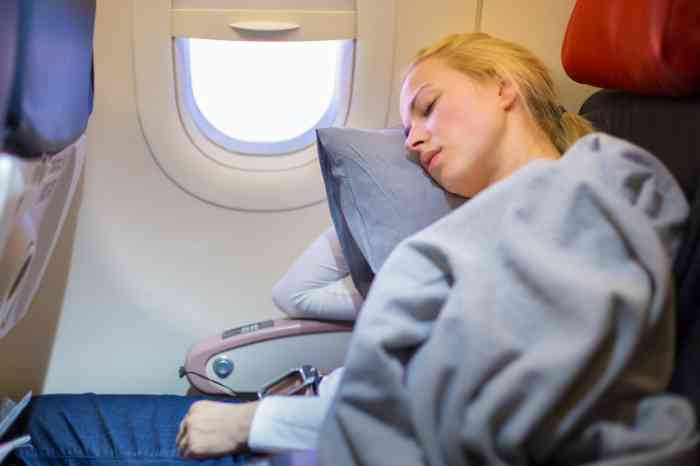
For frequent travellers, the benefits are equally clear. The best noise reduction headphones for airplanes are particularly effective at dampening the constant low roar of cabin pressure and engines — making long-haul flights noticeably more comfortable. Similarly, the best headphones for flying often feature extended battery life and foldable designs built around the needs of travellers.
Students also benefit, using noise cancelling to carve out a focused study space wherever they are — whether that's a busy library, a café, or shared accommodation.
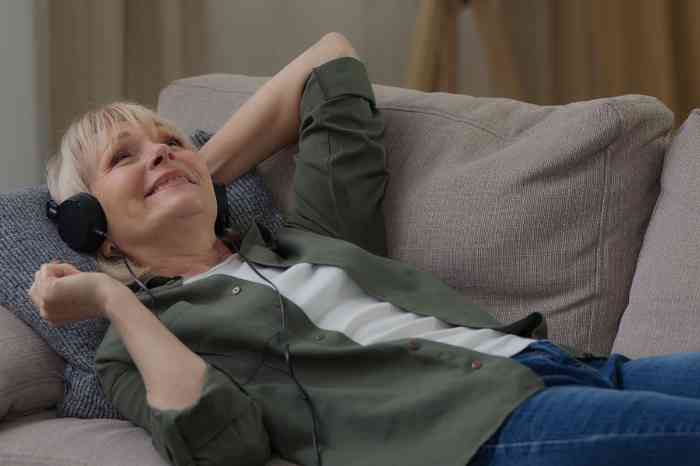
With so many options on the market, finding the best noise cancelling headphones comes down to understanding your priorities. The best cancelling headphones for one person may not suit another — it all depends on how and where you plan to use them.
Start by thinking about your main use case. Is it travel, work, exercise, or general listening? Then consider practical factors: battery life, comfort, sound quality, microphone performance, and price. The best sound cancelling headphones tend to combine strong ANC performance with good audio quality and comfortable design — but you don't need to spend a fortune to get a solid result.
Top-rated noise-canceling headphones from well-known brands often come with features like transparency mode, touch controls, and companion apps. The best noise cancelling models at every price point offer a meaningful improvement over standard headphones, so it's worth taking the time to compare options before buying.
One of the first choices you'll face is form factor. Over-ear noise cancelling headphones — sometimes called circumaural headphones — sit around the ear and typically offer stronger passive isolation thanks to their larger ear cups. They're often preferred for long listening sessions and travel, and the best over-ear noise cancelling headphones deliver impressive ANC performance alongside rich sound quality.
Over the ear noise cancelling designs also tend to have more space for larger drivers and batteries, which can mean better audio and longer playback times. Over-ear sound canceling headphones are generally bulkier, though, which may be a consideration if portability matters to you.
In-ear noise cancelling headphones (earbuds or in-ear monitors) are more compact and discreet. They rely heavily on a good seal in the ear canal for passive isolation and are increasingly competitive in terms of ANC performance — making them a popular choice for commuters and those who prefer a lighter option.
Wireless noise cancelling headphones are the dominant choice today, and for good reason. They offer freedom of movement, convenient Bluetooth connectivity, and increasingly long battery life. Wireless sound cancelling headphones typically connect via Bluetooth, making them compatible with smartphones, tablets, laptops, and more.
Bluetooth noise cancelling headphones have become sophisticated enough that audio quality is rarely a concern — modern codecs like aptX and AAC deliver excellent sound over a wireless connection.
That said, wired noise cancelling headphones still have their place. They don't depend on battery charge, can offer lower latency (useful for video editing or gaming), and are often preferred by those who want the most consistent audio quality. Some wireless models also include a wired option as a backup — a useful feature for long flights when battery runs out.
If you plan to wear your headphones for hours at a time, comfort matters as much as performance. The most comfortable headphones tend to feature soft, breathable ear cushions, an adjustable headband, and a balanced weight distribution that reduces pressure on the head.
Comfortable headphones don't have to compromise on sound quality — many top-rated models prioritise ergonomic design alongside strong ANC. Lightweight headphones are particularly appealing for travel and commuting, where you may be wearing them for extended periods.
When trying or choosing headphones, pay attention to how they feel after 30 minutes or more of wear — not just the initial fit. For in-ear models, look for multiple ear tip sizes to ensure a secure, comfortable seal.
If you plan to take calls or join video meetings, a built-in microphone is essential. Noise cancelling headphones with mic are designed to pick up your voice clearly while filtering out background noise on your end — so the person on the other line hears you, not your surroundings.
Noise reduction headphones with microphone capabilities vary in quality, so it's worth checking reviews for call clarity specifically. The best noise cancelling headphones with microphone use multiple mics and beamforming technology to isolate your voice. Sound cancelling headphones with microphone are especially useful for hybrid workers, remote teams, and frequent callers who need reliable performance in noisy environments.
For most people, headphones with noise cancellation are not only safe — they can actually support better hearing habits. By reducing ambient noise, they allow you to listen to music or calls at lower volumes, which reduces the risk of noise-induced hearing damage over time.
Headphones with active noise cancellation are particularly effective in this regard, as the quieter perceived environment means there's less temptation to turn up the volume to compete with background noise. Noise headphones of all kinds should be used responsibly, however — even with ANC, listening at very high volumes for extended periods can affect hearing health.
If you have existing hearing concerns, it's always a good idea to consult a hearing care professional before making a decision.
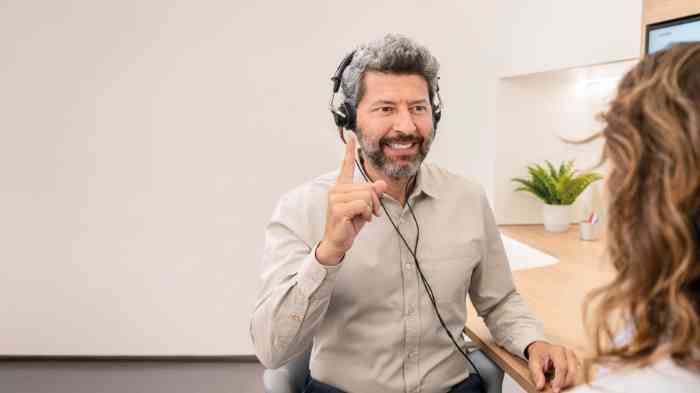
As part of the Amplifon Promise, you'll benefit from our hearing tests and our 60-day money back guarantee assures you of your peace of mind. Reach out for a hearing test and learn more about our hearing aids.
Yes — in many cases, people with hearing loss can use noise cancelling headphones, and may find them beneficial. A noise cancelling headset can help reduce the auditory clutter of background sound, making it easier to focus on the sounds that matter most.
An active noise cancelling headset is particularly useful in situations where background noise competes with speech or audio — helping the listener tune in more effectively. However, what is noise cancelling headset technology capable of varies by model and level of hearing loss, so individual needs differ.
If you or someone you care for has hearing loss and is considering noise-cancelling headphones, speaking with an Amplifon hearing care professional is the best first step. They can help identify solutions tailored to your specific hearing profile.