How long do hearing aids last?

Understanding the lifespan of hearing aids

Hearing aid lifespan is influenced by a combination of factors, such as how the devices are used over time, exposure to everyday environments, and the pace of technological change. Having a clear understanding of these elements can support informed, long-term hearing care decisions.


How long do hearing aids last on average?

The average lifespan of hearing aids typically ranges from several years, though this can vary from person to person. Daily wear time, exposure to moisture or dust, and changes in hearing needs may all influence how long a device continues to perform effectively.

In some cases, hearing aids may remain functional beyond their expected lifespan, while in others, technological limitations or reduced performance may prompt earlier replacement. Regular professional check-ups can help assess whether a device is still meeting hearing needs safely and effectively.

Digital hearing aids lasting

Most modern hearing aids are digital, meaning they process sound electronically using advanced software. While the physical components of digital hearing aids may remain functional for several years, technological advances can influence how long a device remains suitable.

Over time, newer technologies may offer improved sound processing, connectivity or comfort. Even if a digital hearing aid is still working, it may no longer fully support changing hearing needs. Periodic hearing assessments help determine whether current technology continues to be appropriate.

Digital and Electronic Innovations in New AI Hearing Aid Technology

Battery life depends largely on the type of hearing aid battery used and how the device is worn each day. Disposable hearing aid batteries are designed to last anywhere from a few days to a few weeks, depending on battery size, usage patterns, and the way the hearing aid processes sound. The factors that may affect battery duration include:

  • Daily hours of use: Hearing aids worn for longer periods each day typically require more frequent battery replacement, as continuous sound processing increases energy demand.
  • Use of additional features: Features such as wireless connectivity, audio streaming, or advanced sound processing may increase power consumption, which can shorten battery life.
  • Listening environments: Frequent exposure to noisy or complex sound environments may require more intensive processing, potentially affecting battery performance.
  • Environmental conditions: Temperature, humidity, and moisture exposure can influence battery efficiency and overall performance.

Rechargeable batteries

Rechargeable hearing aids use built-in batteries designed to last for a limited number of charging cycles. On average, rechargeable batteries may perform reliably for several years before their capacity gradually decreases.
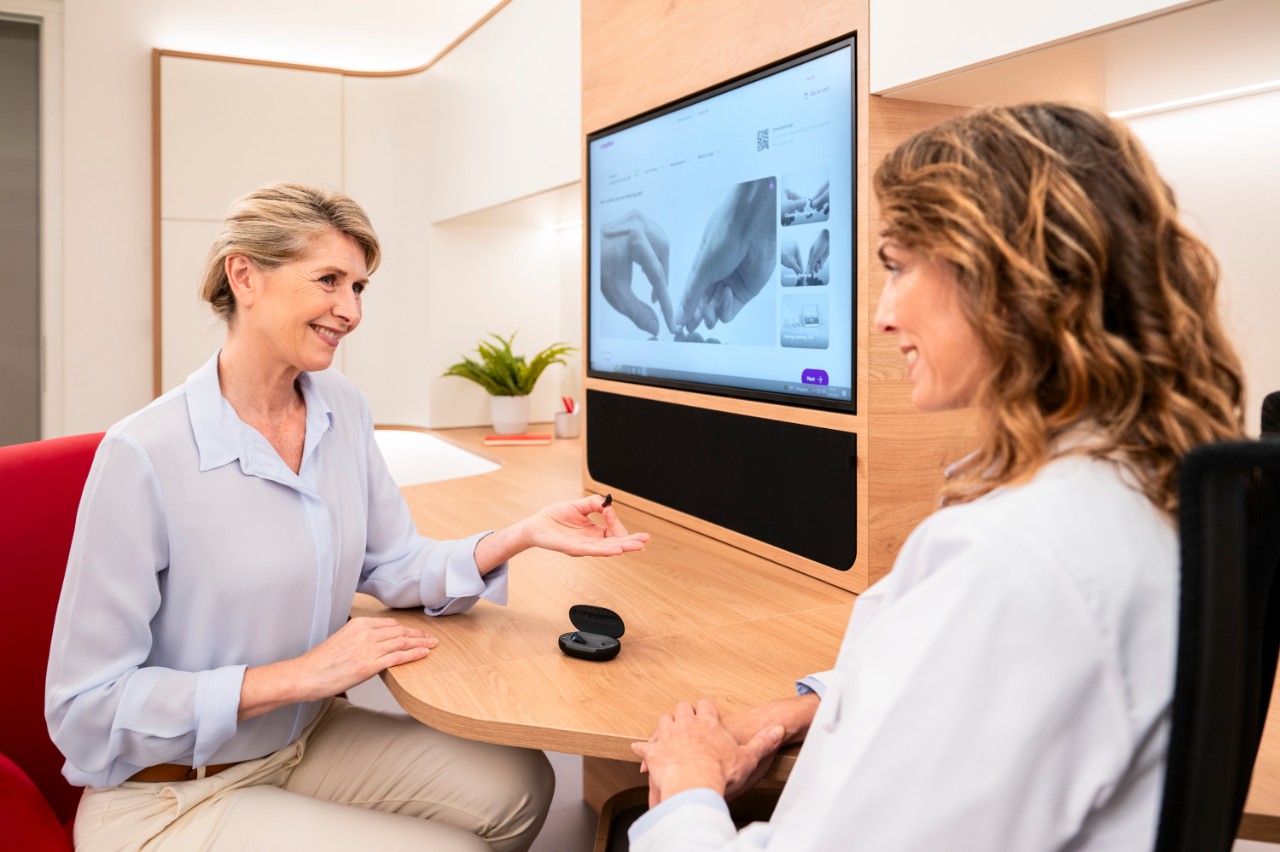
Audiologist showing app mini coat

The latest hearing aid technology

We offer the latest hearing aid technology with great features like invisibility and connectivity. Request an appointment to start your 90-day money back guarantee today.

How to support hearing aid longevity

While hearing aids are designed for daily use, certain general care and maintenance practices may help support their long-term performance over time. Actions that may help support hearing aid durability include:

  • Regular professional check-ups, which allow hearing care professionals to monitor device performance and identify changes over time.
  • Keeping hearing aids clean and dry, as moisture and debris can affect electronic components.
  • Careful handling and appropriate storage, which may help reduce the risk of accidental damage.
  • Seeking professional support when performance changes are noticed, as early attention may help prevent more significant issues.

When to consider replacing hearing aids

Hearing aids may need to be reviewed or replaced when they no longer provide adequate support for current hearing needs. This can occur due to gradual changes in hearing ability, reduced device performance, or limitations related to older technology.

Common reasons to consider replacement include ongoing difficulty understanding speech, reduced comfort or reliability, or when newer technologies may better support daily communication. A professional hearing assessment is recommended to determine whether adjustments, repairs, or replacement are the most appropriate next step.

Discover all types of hearing aids in one of our clinics

FAQ about hearing aid lifespan

How often do hearing aids need to be replaced?

Hearing aids are typically reviewed and may be replaced after several years of use, depending on device performance, changes in hearing needs, and the availability of newer technologies that may offer improved support.

Do hearing aids stop working suddenly or gradually

In most cases, changes in hearing aid performance occur gradually rather than abruptly. Subtle declines in sound quality, comfort, or reliability may develop over time, which is why regular professional assessments are important to ensure the device continues to meet hearing needs effectively and safely.

Does battery life affect hearing aid lasting?

Battery performance influences daily operation and listening time but does not determine the overall lifespan of the hearing aid device itself. The longevity of the device is more closely related to usage patterns, care, and technological suitability over time.

Can check-ups help hearing aids last longer?

Regular professional check-ups can help monitor hearing aid performance, identify changes early, and ensure the device continues to function as intended, which may support long-term use.

Get support and advice

Request a hearing test

Schedule an apppointment

Request now

Test your hearing online

Get your results online

Take the test

Find your nearest hearing clinic

Visit the branch locator

Find a clinic