%20rs.png)
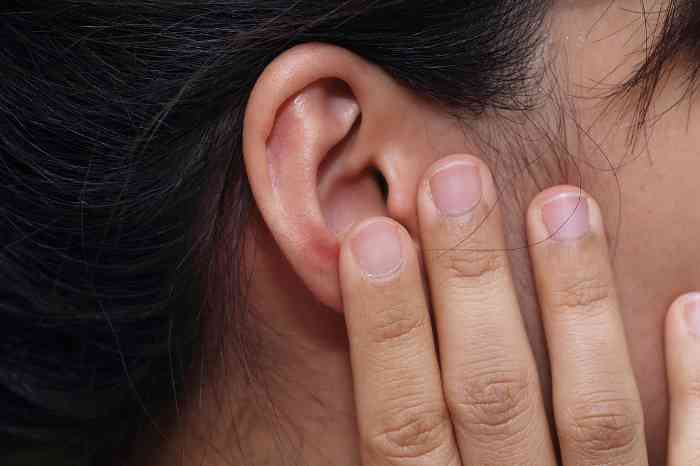
Cervical and neck problems can sometimes contribute to tinnitus, a condition commonly described as ringing, buzzing, or whooshing in the ears. This type of tinnitus, often referred to as cervical tinnitus, may be triggered by issues such as neck strain, poor posture, muscle tension, or injuries to the cervical spine.
In this article, we explore how cervical problems can contribute to tinnitus and what treatment options are available.
Yes, tight neck muscles can contribute to ear problems, including tinnitus, ear fullness, and even mild dizziness. Muscle tension in the neck and upper shoulders can affect the surrounding nerves and blood vessels connected to the auditory system. This tension may lead to ringing in the ears, pressure sensations, or discomfort that feels like it's coming from within the ear. Addressing neck strain through posture correction, stretching, or physical therapy can often relieve these symptoms and improve overall ear health.
Cervical tinnitus refers to a form of tinnitus that’s believed to be linked to issues in the cervical spine (neck region). Unlike traditional tinnitus, which often stems from hearing loss or ear damage, cervical tinnitus is connected to neck or musculoskeletal dysfunction.
Cervical tinnitus may sound similar to traditional tinnitus, such as ringing, buzzing, clicking, or whooshing in one or both ears. However, the key difference is that the sound may change with neck movement, jaw clenching, or even posture shifts. In some cases, people report that the tinnitus is more noticeable when turning the head or after long periods of poor posture.
Cervical tinnitus can present in different ways depending on the individual, but common symptoms include:
If you’re experiencing tinnitus along with neck pain, jaw discomfort, or muscle tension, the issue may be musculoskeletal in nature.


Diagnosing cervical tinnitus can be complex, as it often overlaps with other forms of tinnitus and may not show up on standard hearing tests. A thorough evaluation typically involves:
Since cervical tinnitus is often related to musculoskeletal issues, diagnosis is typically based on a combination of hearing health insights and physical findings. Identifying the root cause is key to finding an effective treatment approach.
While there’s no universal cure, many people experience relief through a combination of approaches, including:
Some people find relief using a cervical collar for tinnitus, especially if their symptoms are linked to neck instability or muscle strain. The collar helps support the cervical spine and reduce movement that could be triggering the tinnitus. However, this should be used under professional guidance to ensure it’s appropriate for your specific condition. For some, the best cervical collar for tinnitus will be one that supports the neck without restricting natural motion.

Find out, with the help of our experts, how to prevent ear problems like cervical tinnitus.
Cervical spondylosis, a type of age-related degeneration in the spine, may contribute to tinnitus in some cases. As vertebrae and discs wear down, they can irritate surrounding nerves or muscles, leading to cervical spondylosis tinnitus. Symptoms may improve with physical therapy, posture correction, or a customized treatment plan.
Cervical dystonia, a neurological condition causing involuntary neck muscle contractions, can sometimes contribute to tinnitus. The muscle tension and postural challenges associated with dystonia may increase pressure on cervical nerves, indirectly affecting hearing. Managing muscle spasms and improving neck alignment may help alleviate associated ear symptoms.
Cervical somatic tinnitus is a form of tinnitus influenced by musculoskeletal factors — particularly involving the neck and jaw. It often fluctuates with physical movement and may respond well to physiotherapy, TMJ treatment, or manual therapies. Unlike tinnitus caused by inner ear damage, somatic tinnitus may be reversible if the root cause is addressed.