%20rs.png)
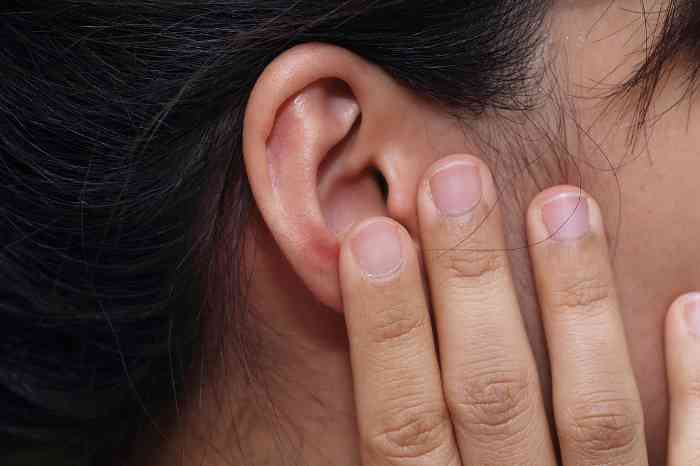
Earaches and headaches are common complaints on their own—but when they occur together, it may point to an underlying connection that shouldn't be overlooked. While they affect different parts of the body, the ear and the head are closely linked through nerves, blood vessels, and anatomical structures. Recognizing how these conditions can be related is key to identifying the cause and receiving proper treatment.
Headaches and earaches occurring together often stem from underlying conditions that affect both areas through shared nerves and nearby structures. Common causes include sinus infections, which create pressure and inflammation in the sinuses, leading to pain around the forehead, cheeks, and ears. Ear infections can also radiate pain to the head due to nerve pathways connecting the ears and face. Temporomandibular joint (TMJ) disorders are another frequent source, causing jaw tension that can result in discomfort in the ears and temples. Additionally, dental problems, migraines, or even tension-type headaches may also produce referred pain that feels like it's coming from both the head and the ears. Identifying the exact cause is essential for finding the right treatment and lasting relief.
When headache and ear pain occur on the same side, it often points to a localized issue affecting nearby structures. Ear infections, TMJ disorders, or sinus infections can all cause pain that radiates from the ear to the temple or jaw. Trigeminal neuralgia—a nerve disorder—can also produce sharp, one-sided facial and ear pain that may feel like a headache. In some cases, migraines present with ear-related symptoms such as pressure or fullness, especially on one side.
Experiencing headache and ear pain on the left side can be caused by several underlying conditions, many of which involve nearby or interconnected structures. Sinus infections, ear infections, or temporomandibular joint (TMJ) disorders can lead to pain that starts in one area—like the ear or jaw—and radiates to the head. Migraines may also present as one-sided head pain, often accompanied by ear pressure, sensitivity to sound, or even mild earache. In rarer cases, nerve-related conditions such as trigeminal or occipital neuralgia can cause sharp, localized pain on one side of the head and face. If the pain is persistent, severe, or affects your hearing or vision, it's important to seek medical advice for accurate diagnosis and treatment.
Experiencing an earache and headache on the right side can be due to a variety of causes involving nearby structures. Common reasons include right-sided ear infections, which can cause localized pain that radiates to the head. Temporomandibular joint (TMJ) disorders on the right side may lead to jaw tension and discomfort extending to the ear and temple area. Sinus infections or migraines often present with one-sided head pain that can be accompanied by ear pressure or pain. Nerve conditions such as trigeminal neuralgia can also cause sharp, shooting pain on one side of the face, including the ear and head. Persistent or severe pain should be evaluated by a healthcare professional for an accurate diagnosis and appropriate treatment.
When you find it harder to react to auditory stimulus, it’s best to try our online hearing test and have a first answer on your hearing health in a couple of minutes.

Experiencing an earache, headache, and sore throat at the same time is often a sign of an upper respiratory infection, such as a cold, flu, or tonsillitis. These conditions cause inflammation and congestion in the sinuses and throat, which can create pressure that affects both the ears and head. The Eustachian tubes, which connect the throat to the middle ear, may become blocked or irritated, leading to ear discomfort and headaches. In some cases, strep throat or sinus infections can also trigger this trio of symptoms. While usually not serious, it’s important to monitor your symptoms—especially if they worsen or persist—for proper diagnosis and treatment.

Find out, with the help of our experts, how to prevent ear problems like earache and headache.
Migraines are more than just severe headaches—they can also cause symptoms that affect the ears. Some people experience ear pain, pressure, or a sensation of fullness during a migraine episode. This is due to the way migraines affect nerves and blood vessels around the head and neck. Additionally, the trigeminal nerve, which is involved in migraine pain, also serves parts of the ear, leading to referred ear discomfort. In some cases, migraine symptoms may mimic or overlap with those of an ear infection, making diagnosis challenging. If you frequently experience both migraines and ear pain, it’s important to consult a healthcare professional for an accurate evaluation and targeted treatment.
Ear pain combined with a pressure headache often points to conditions that cause inflammation or congestion in the ear and surrounding areas. Common culprits include sinus infections, which create buildup and pressure in the sinuses that can radiate to the ears and head. Eustachian tube dysfunction, where the tube connecting the middle ear to the throat becomes blocked, can lead to a feeling of fullness or pressure in the ear alongside headaches. Additionally, ear infections or temporomandibular joint (TMJ) disorders may also cause similar symptoms. Proper diagnosis and treatment are essential to relieve both ear pain and associated headaches.